



Table of Contents
- The Intricate Dance of Sleep and Meditation
- Meditation’s Magic: The Science Behind the Calm
- Meditation Techniques to Soothe You to Sleep
- Making Meditation Part of Your Nightly Routine
- Navigating Around Meditation Roadblocks
- Long-Term Payoffs of Regular Practice
- Crafting Your Unique Meditation Experience
- Reflections on Personalized Practice
- The Symbiosis of Sleep, Stress, and Meditation
- Embracing Mindfulness as a Journey
- References
Key Takeaways
- Meditation quiets the mind, reducing stress and enhancing sleep quality.
- Techniques like mindfulness, guided meditation, and body scans can improve your sleep routine.
- Long-term meditation can alleviate chronic insomnia and enhance overall well-being.
- Craft a personalized meditation experience to make it a cherished ritual.
The Intricate Dance of Sleep and Meditation
Before you dive into using meditation to transform your sleep, it’s vital to unravel the connection between the two.
“Meditation serves to quiet our mind’s relentless chatter, decreasing the stress that wrecks our sleep.”
— Dr. Sarah Chen, Clinical Psychologist at NYU
A paper published by JAMA Internal Medicine in 2015 supports this, indicating that mindfulness meditation positively affects sleep quality and lessens daytime impairments in older adults with sleep issues.
Consistent meditation essentially trains the mind to transition from an aroused state to one that welcomes sleep. Our internal clocks operate on circadian rhythms—think of meditation as a gentle nudge, stabilizing these natural cycles to foster better rest.
Meditation’s Magic: The Science Behind the Calm
But why is meditation so effective in altering our sleep patterns? During meditation, the body initiates a relaxation response—it slows the heart, reduces blood pressure, and soothes the nervous system. According to the National Center for Complementary and Integrative Health, this process dials down cortisol, the notorious stress hormone lurking behind many sleepless nights.
Moreover, meditation boosts melatonin levels, pushing the body into a serene, sleepy state.
“Meditation preps your mind and body for sleep by promoting serotonin release, the precursor to melatonin.”
— Dr. Emily Ross, Mindfulness Coach
Meditation Techniques to Soothe You to Sleep
With the benefits clear, let’s explore some meditative techniques effective in sleep enhancement.
- Mindfulness Meditation
This technique, focusing on your breathing and immersing in the present, detaches you from daily stressors—clearing space for tranquility.
- Guided Meditation
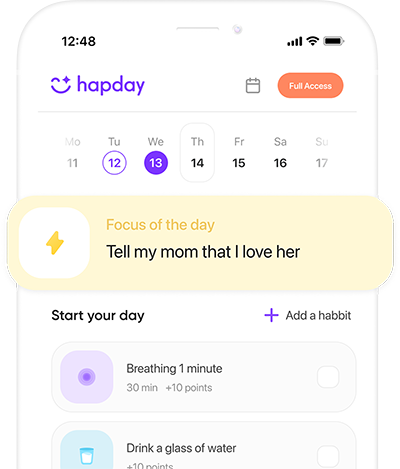
For beginners who thrive on structure, guided meditation includes audio cues to lead you through visualization and relaxation. Platforms like Hapday, with round-the-clock AI coaching, and apps like Calm offer accessible solutions for meditation novices and veterans alike.
- Body Scan
By concentrating on each body part, the body scan method allows you to gradually release tension—ideal for soothing your nighttime worries away.
Making Meditation Part of Your Nightly Routine
Wondering how meditation fits into a hectic life? Consider Maya, a marketing executive dealing with life’s constant buzz. She introduced guided meditation into her bedtime rituals.
“I committed to just five minutes every night. Within weeks, my sleep improved, leaving me feeling more at peace.”
— Maya, Marketing Executive
Here’s a roadmap to launch your own meditation practice:
- Curate Your Space: A serene setting enhances relaxation. Think dim lighting and a quiet, comfortable environment.
- Regularity: Meditate at the same time nightly for consistency, aligning with your body’s natural sleep cycle.
- Start Small: Ease in with brief sessions, gradually extending as comfort grows.
- Exercise Patience: Skill-building takes time—be kind to yourself as you navigate this journey.
Navigating Around Meditation Roadblocks
Despite best efforts, meditation can come with hurdles—like racing thoughts upon sitting still. Dr. Ross notes,
“When we meditate, it can seem like our thoughts get louder because we’re giving them space.”
— Dr. Emily Ross, Mindfulness Coach
How to tackle this?
- Accept Thoughts: Embrace thoughts instead of shoving them away—return your focus to breathing or a calming word.
- Leverage Tech: Digital platforms like Hapday offer evidence-based practices for conquering sleep anxiety anytime.
- Get Moving: If stillness is tough, integrate movement, such as yoga or tai chi, to quiet the mind pre-bedtime.
Long-Term Payoffs of Regular Practice
Commit to meditation for more than short-term sleep gains; it has extensive benefits. This practice can lessen chronic insomnia risk, reduce depression and anxiety symptoms, and even aid in pain management. The Mayo Clinic recommends meditation as a complementary tool alongside conventional treatments, citing its psychological and physical health perks.
As meditation gains momentum, consider this: if you crave lasting harmony between daylight wakefulness and restful nights, nurturing meditation habits might be your key.
Crafting Your Unique Meditation Experience
By personalizing your meditation routine, it transforms from a task to a cherished daily ritual. Consider these elements:
- Soundscapes: Try white noise or nature sounds, or perhaps complete silence. Identify what helps you unwind.
- Aromas: Aromatherapy with scents like lavender heightens relaxation, creating a sleep-friendly atmosphere.
- Visual Journeys: Envision calming landscapes—a beach, a forest, or a fantasy locale.
Reflections on Personalized Practice
Remember, meditation is about nurturing a state of peaceful awareness, not achieving a blank mind. Kim, a graphic designer, initially battled self-criticism over intrusive thoughts while meditating.
“Observing these thoughts without judgment improved my sleep and stress management.”
— Kim, Graphic Designer
The Symbiosis of Sleep, Stress, and Meditation
Meditation’s benefits extend to taming stress, which naturally enhances sleep, forging a beneficial loop that bolsters mental health. The American Psychological Association links chronic stress to numerous health issues, underscoring the importance of stress-reducing interventions like meditation.
Embracing Mindfulness as a Journey
Meditation isn’t a quick cure but a path to mindful living and better sleep. Each step of this journey brings lessons and shifts. Your dedication to meditation—and consequently your sleep quality—will flourish with practice.
In sum, welcome meditation as an ally in your quest for restorative sleep. Guided meditation, body scans, or mindfulness exercises—each can shift you toward tranquility and self-awareness.
With the right support, these strategies are easier to embrace. Hapday, used by over 3 million people, offers round-the-clock guidance to help cement lasting habits.
The Bottom Line
Integrating meditation into your nighttime routine can transform your sleep experience, helping you achieve deeper, more restorative rest. With consistent practice, you’ll not only improve your sleep but also enhance your overall mental and emotional well-being.
References
- JAMA Internal Medicine
- National Center for Complementary and Integrative Health
- Mayo Clinic
- American Psychological Association