



Table of Contents
- The Science of Sleep and Meditation
- Exploring Different Meditation Techniques
- Practical Steps for Using Meditation to Enhance Sleep
- Bridging Meditation with Overall Sleep Hygiene
- Empower Yourself with Meditation
- References
The Science of Sleep and Meditation
Alright, so what’s the secret sauce? How does meditation go about transforming our sleep? It’s mostly about stress-busting. Back in 2015, the bigwigs at JAMA Internal Medicine found that mindfulness meditation could boost sleep quality more than traditional sleep ed. Surprised?
“Meditation helps by dialing down stress hormones, crafting a mindset perfect for drifting off.”
— Dr. Sarah Chen, Psychologist at NYU
Meditation brings on what’s known as the “relaxation response”—a delightful counter to the body’s high-wired stress reaction. You see, when stress hits, our bodies flood with cortisol, and that keeps us staring at the ceiling all night.
Exploring Different Meditation Techniques
The mishmash of meditation methods means there’s something out there for everyone. Whether you’re starting out or have been meditating since before it was cool, these techniques can cater to you.
Guided Meditation
Ever tried guided meditation? It’s a go-to if your mind is a never-ending monologue. Someone — real or, interestingly, digital like Hapday — leads you through the process, prompting you with soothing images.
Imagine this: after a day that’s been anything but calm, you lie back, and Hapday walks you through a session that feels bespoke, sidestepping long waits for appointments. It’s mindfulness with a twist, and it dials down the noise in your head.
Body Scan Meditation
For those unpacking stress—like Maya, 28, who turned to this practice post-divorce—body scan meditation methodically unwinds tension. You pay attention to each part of your body, tuning into sensations and intentionally releasing them. Over time, Maya found not just sleep, but peace.
Loving-Kindness Meditation
Loving-Kindness meditation might be best known for boosting compassion, but here’s the twist: by nurturing kindness, it sneaks up on insomnia too. It’s about repeating phrases that spread goodwill—first to yourself, then others—fostering a calm that leads naturally to sleep.
According to Dr. Ayesha Jamal from the University of Toronto, this meditation
“helps drown out that negative inner chatter” that likes to fuel insomnia.
— Dr. Ayesha Jamal, University of Toronto
Practical Steps for Using Meditation to Enhance Sleep
So, we’ve covered ‘why’ you should do it. Let’s tackle the ‘how.’
Establish a Routine
Less about magic, more about method. Carve out a time every night. According to research, routines help re-wire your brain for winding down, signaling its time to switch gears.
Create a Soothing Environment
Your space matters—dim lights, play soft music, or waft lavender scents through the room. It all tells your body, “Hey, let’s ease into this.”
Use Technology Mindfully
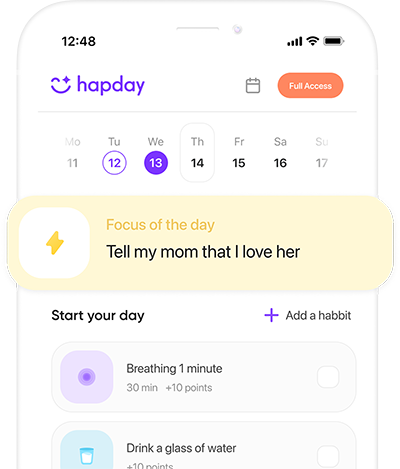
Tech isn’t just for doom-scrolling. Tools like Hapday, used by over 3 million folks, merge mindfulness with tech in a way that’s actually helpful. Their apps guide you, tracking mood and aiding sleep progress.
Progress Gradually
Start modestly with just a few minutes and build up. Like training a puppy patiently—you nurture your ability to meditate and, in turn, nurture better sleep.
Recognize and Release
Allow thoughts to drift in during meditation without judgement, then consciously let them go. ‘Noting’ this way stops the spirals that keep you up at 3 a.m.
Bridging Meditation with Overall Sleep Hygiene
Meditation is a piece of the puzzle, but aligning it with lifestyle tweaks unlocks its full potential. Diet, exercise, routines—they all play their parts.
Diet and Digestion
Late-night snacking? Avoid the heavy stuff; instead, opt for sleep-friendly bites like bananas or almonds. They boost melatonin and nudge you toward slumber.
Exercise and Activity
Staying active helps, but be smart—intense workouts are cool, just make sure they’re finished hours before bedtime.
Consistent Sleep Schedule
Regular sleep times tune your body’s natural clock, making snoozing straightforward.
Limit Distractions
Cut the screens an hour before bed; let melatonin do its thing. A good book over the glare of yet another Netflix binge helps too.
Empower Yourself with Meditation
In your quest for better sleep, meditation isn’t just a tool but a partner on this journey. Every night you practice, you take a step toward inner calm and quality sleep.
Hapday and other platforms offer seamless integration into routines—tailoring techniques to your needs with science-backed support.
In a world where sleep feels like an elusive dream, meditation is your oasis. Start small, stick with it, and let meditation transform restless nights into restorative ones. Here’s to sleeping like a baby and greeting each morning fresh and ready.
Key Takeaways
- Meditation can improve sleep quality by reducing stress and enhancing relaxation.
- Various meditation techniques, like guided meditation and body scans, cater to different preferences.
- Establishing a routine and creating a calming environment are essential for effective meditation practice.
- Combining meditation with lifestyle changes, such as a balanced diet and consistent sleep schedule, can significantly enhance sleep hygiene.
- Start small with meditation practices and gradually increase duration for better results.
The Bottom Line
Meditation serves as a powerful ally in your journey toward better sleep. Implementing meditation regularly, along with healthy lifestyle habits, can lead to restful, rejuvenating nights. Empower yourself with these practices and invite calm into your evenings.
References
- JAMA Internal Medicine – Visit at JAMA’s website
- CDC – See more at CDC’s official site