



Table of Contents
- Why Meditation Has a Magical Touch on Sleep
- The Science Behind Why Meditation Works
- Creating Your Own Nightly Ritual: Types of Meditation Practices
- The Steps to Begin: How to Meditate for Sleep
- Overcoming Common Roadblocks in Meditation for Sleep
- Exploring Additional Tools to Enhance Your Meditation Practice
- Blending Meditation with Sleep Hygiene Practices
- The Ripple Effect of Better Sleep: Reaping Further Benefits
- An Invitation to Re-Imagine Your Nights
- References
Why Meditation Has a Magical Touch on Sleep
Meditation isn’t just another wellness trend—it’s a time-honored practice backed by evidence that could transform your nights. Consider this: According to the National Sleep Foundation, around 30% of adults face chronic insomnia, while an astonishing 70% experience occasional sleep disruptions. Meditation uses mindfulness to tap into the parasympathetic nervous system, signaling the mind and body to relax.
“Meditation helps lower cortisol, that stress hormone messing with your rest. It breaks the cycle of constant mind chatter that fuels insomnia.”
— Dr. Sarah Chen, Clinical Psychologist at NYU
Through techniques like focusing on your breath or guided imagery, meditation creates a mental oasis free from anxiety—getting you ready for sleep instead.
The Science Behind Why Meditation Works
Meditation’s role in promoting sleep is deeply rooted in neuroscience. Back in 2015, a study published in JAMA Internal Medicine revealed that older adults practicing meditation reported better sleep quality than those using traditional sleep education methods. Meditation boosts melatonin, our natural sleep-inducing hormone, while calming brain regions linked to planning and restless thinking.
Clinical trials indicate regular practice reduces activity in the brain’s default mode network—the zone active during mind-wandering, a precursor to anxiety and even depression. By nurturing present-moment awareness, meditation acts like mental decluttering, preparing the mind for rest.
Creating Your Own Nightly Ritual: Types of Meditation Practices
What makes meditation beautiful, you ask? Its sheer accessibility. Whether grappling with relentless insomnia or enhancing already peaceful slumber, integrating meditation could be game-changing. Let’s explore different techniques to find your unique fit.
- Mindfulness Meditation: Mindfulness involves centering your attention on breathing and staying present. If your mind drifts, gently bring it back without judgment. Carol Evans, an MBSR-certified instructor, suggests picturing thoughts as transient clouds. This not only calms the psyche but also activates the body’s relaxation response.
- Guided Meditation: If your mind races at bedtime, guided meditation might be your savior. These recorded sessions use mental images and calming narratives to ease you into sleep. Think of it as your personal lullaby when sleep becomes elusive.
- Body Scan Meditation: Body scan entails mentally surveying your body for tension. As you lie in bed, imagine waves of relaxation sweeping over you. Dr. Ronald Siegel from Harvard asserts that connecting sensations with mental focus helps tune in on and release stress.
- Loving-Kindness Meditation: Sending out good vibes may seem unconventional for sleep, but fostering positivity can create a comforting ambiance. Loving-kindness meditation encourages well-wishes for yourself and others, cultivating a peaceful mind ripe for sleep.
The Steps to Begin: How to Meditate for Sleep
Beginning this journey doesn’t mean mastering ancient practices. Here’s how to kickstart your nightly meditation for restful sleep.
- Begin With Your Environment: Craft a tranquil space. Dim the lights or try a soft night light. Remove digital distractions—researchers at Harvard say screens can severely suppress melatonin due to blue light.
- Choose Your Technique: Pick what suits your comfort level. Whether it’s an app, a class, or a YouTube video—consistency is crucial.
- Focus on Your Breath: Shut your eyes and inhale slowly through your nose. Hold it briefly, then gently exhale through your mouth. Feel a serene veil envelop your anxious thoughts.
- Engage the Mind Gently: Visualize peaceful scenes or repeat calming affirmations—make sure not to let your mind wander into stress potholes.
- Commit to Unplugging: Dedicate at least five to ten minutes nightly. Like any habit, consistent practice enhances its benefits.
Overcoming Common Roadblocks in Meditation for Sleep
Embrace patience—integrating meditation into a bedtime routine can encounter hiccups. Kelsey, a 24-year-old student, initially doubted her meditation skills. But meditation isn’t a competition.
- Struggling with Distraction: Use wandering thoughts as cues to refocus on your breath. Over time, navigating distractions becomes easier.
- Feeling Restless: End-of-day jitters are normal. Try rhythmic breathing or gentle stretches to dispel restless energy before meditation.
- Time Constraints: Feeling overwhelmed? Know even brief meditation is beneficial. Start with two minutes, gradually increasing as you adapt.
Exploring Additional Tools to Enhance Your Meditation Practice
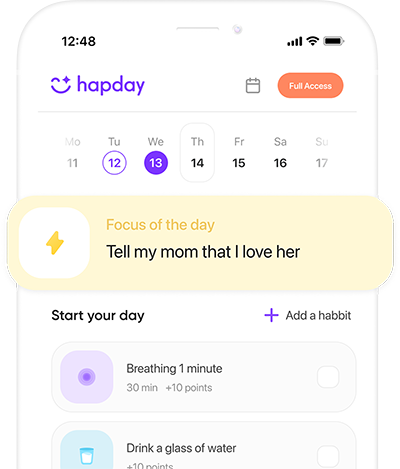
Support your journey with tools that complement meditation. Hapday, with over 3 million users, provides structured, evidence-based mental health coaching without overshadowing traditional meditation.
Blending Meditation with Sleep Hygiene Practices
While meditation is powerful, mix it with smart sleep habits for a holistic strategy. Maintain regular sleep patterns, cut back on caffeine in the evenings, enjoy sunlit walks to boost your circadian rhythm, and cultivate a calming bedtime ritual.
The Ripple Effect of Better Sleep: Reaping Further Benefits
With improved sleep, benefits spill over into other life areas—enhanced focus, emotional stability, stronger immunity. Harvard Medical School found effective sleep routines boost emotional resilience and creativity. Getting restful nights lays a foundation for well-being.
An Invitation to Re-Imagine Your Nights
Frustration needn’t mar your path to restful sleep. Imagine slipping into serene slumber, mind rested and tranquil. Meditation is the gateway, unlocking doors to nightly rejuvenation.
If you’re searching for ongoing support, exploring what Hapday offers could be just what you need. Their 24/7 AI coaches help reinforce good habits, nurturing restful nights. Check it out at hapday.app to start your journey toward better sleep.
Consider meditation a nightly gift to yourself, not a chore. Maya—once struggling with sleeplessness—now cherishes her ritual. It’s a simple yet powerful promise of rest, renewal, and resilience for every night to come.
Key Takeaways
- Meditation can enhance sleep quality by reducing anxiety and stress levels.
- Different meditation techniques cater to various personal preferences and issues related to sleep.
- Creating a peaceful environment and committing to a routine is essential for effective meditation practice.
- Combining meditation with healthy sleep habits will further improve sleep outcomes.
- Small steps—like dedicating just a few minutes to meditate—can lead to significant benefits over time.
The Bottom Line
Embracing meditation for sleep doesn’t require expert skills. Like Maya, trust in the journey—serenity and sweet dreams await.
References
- National Sleep Foundation – https://www.sleepfoundation.org/insomnia/content/what-you-need-know-about-insomnia
- JAMA – https://jamanetwork.com/journals/jamainternalmedicine/fullarticle/2110998
- Harvard Health Publishing – https://www.health.harvard.edu/staying-healthy/blue-light-has-a-dark-side
- Harvard Medical School – https://hms.harvard.edu/news/why-sleep-important