


In the midnight stillness, as the world sinks gently into dreams, some of us stay staring at that stubborn ceiling, tangled in thoughts supercharged with worries. A familiar scene, isn’t it? While countless solutions parade as cures, meditation is quietly but powerfully stealing the spotlight. Take Aisha, a 26-year-old caught up in insomnia’s relentless hold. She didn’t find peace in the latest sleep aid pills or convoluted bedtime routines. Rather, it was the almost enchanting simplicity of meditation that finally led her to serene slumber.
Feeling ensnared by nighttime restlessness? Maybe meditation’s gentle embrace is your refuge — a remedy to cultivate tranquil, restorative sleep.
Table of Contents
- The Science Behind Meditation and Sleep
- Meditation Techniques for Sleep Improvement
- Why Meditation Works for Sleep
- Initiating a Meditation Routine for Better Sleep
- Unexpected Benefits of Sleep Meditation
- Addressing Challenges in Meditation Practice
- Real-Life Transformations Through Sleep Meditation
- Exploring Various Meditation Styles with Technology
- Bringing It All Together
Key Takeaways
- Meditation can significantly reduce sleep disruptions caused by stress and anxiety.
- Incorporating techniques like mindfulness, guided imagery, and body scan can enhance sleep quality.
- Establishing a consistent meditation practice helps in creating a restful nighttime routine.
- Using technology like meditation apps may support your mindfulness journey and keep you on track.
The Science Behind Meditation and Sleep
Before jumping into how meditation helps sleep — why is it effective? Stress and anxiety are major sleep disruptors — ask anyone. The American Psychological Association notes stress as a notorious thief of restful sleep. Meditation, with its astonishing ability to calm the nervous system (lowering heart rate and blood pressure), reduces stress, making falling asleep feel like a more peaceful transition.
“Meditation essentially retrains your brain — building resilience against stress. It taps into the parasympathetic nervous system, conjuring a relaxation response that readies the mind and body for sleep naturally.”
— Dr. Sarah Chen, Psychologist at NYU
This mental and physical harmony paves a serene path to dreamland.
Meditation Techniques for Sleep Improvement
Understanding the ‘why’ is great, but how about the ‘how’? Plenty of meditation styles cater specifically to boosting sleep quality. Here’s a little guide to gently weave them into your nighttime routine:
Mindfulness Meditation
This practice zeroes in on the present, defusing sleep-tampering thoughts. The technique? Observe the now without judgment — acknowledge your thoughts and feelings, then let them float by.
Meet Maya, 28, who’s navigating the rough seas of a recent divorce. Mindfulness meditation gave her an emotional buffer. Spending a few minutes before bed concentrating on her breath, watching her thoughts with kindness, Maya discovered her nights were no longer plagued by the ghostly echoes of her decisions.
Guided Imagery
Imagine a mental escape — a serene retreat for your mind. Guided imagery invites you to visualize peaceful places, away from daily stresses. Dr. Mark Williamson, leading Action for Happiness, says,
“Guided imagery pulls you into positive mental settings, easing stress and breaking negative thought cycles.”
— Dr. Mark Williamson, Action for Happiness
Picture including guided imagery in your nightly routine. As you tuck yourself in, envision a tranquil forest walk or lying on a quiet beach, soaking in the serenity…
Body Scan Meditation
This mindfulness-centered technique urges you to focus sequentially on each part of your body — notice sensations and let tension go. A study reported in JAMA Internal Medicine found meditation, like the body scan, significantly enhanced sleep quality.
To try it, lay down comfortably, guiding your attention from head to toe. Release the day’s tension from every muscle, letting a deep relaxation take over.
Why Meditation Works for Sleep
Meditation doesn’t just relax; it triggers biological changes underpinning its sleep-enhancing magic.
Enhancements in Sleep Architecture
Meditation tweaks sleep architecture — think of it as the scaffolding of your sleep cycles. Harvard research suggests regular meditation increases slow-wave sleep — that deep phase we all crave for physical restoration. So by meditating, you’re shoring up your mind and body against sleep disturbances.
Reduction of Sleep Latency
It even chips away at sleep latency, or the time it takes to fall asleep. Meditation eases the stress-induced tension and anxieties keeping you from drifting into slumber.
Initiating a Meditation Routine for Better Sleep
Beginning a meditation habit can feel daunting, especially for first-timers in the mindfulness world. Here’s a user-friendly way to kick things off:
- Set a Schedule: Consistency counts. Try meditating at the same time nightly, creating a calming routine your body will start anticipating.
- Create a Space: Find a peaceful nook in your bedroom for meditation — free from distractions, evoking tranquility.
- Start Small: Begin with concise, manageable sessions of 5-10 minutes, gradually increasing as you grow comfy with it.
- Combine with Other Techniques: Sometimes blending meditation with other sleep-enhancing habits, like reducing screen time, can heighten its effects.
Unexpected Benefits of Sleep Meditation
Besides the obvious draw of better sleep, meditation showers unexpected bonuses. For starters, it boosts alertness and mood regulation during the day. Reducing stress, enhancing emotional health… meditation steers you towards a balanced life filled with patience and calm.
Moreover, the mindfulness and acceptance meditation fosters breeds self-awareness — aiding personal growth and deeper self-insight.
Addressing Challenges in Meditation Practice
Meditation, promising as it is, doesn’t come without hurdles. Many beginners struggle with drifting thoughts or keeping focus. It’s vital to approach these challenges gently and persistently. Remember: meditation is a practice, not perfection — benefits build with each moment you invest.
“Embrace fluctuations in practice. Meditation is about self-kindness; always return to it, even if distractions invite themselves. Over time, your attention muscle strengthens.”
— Dr. Sarah Chen, Psychologist at NYU
Real-Life Transformations Through Sleep Meditation
Take Josh. At 31, deadlines and a demanding finance career gnawed at his sleep and well-being. Meditation became his mindful escape, easing daytime stress, naturally ushering him into sound sleep… transforming his work-life dance.
Meditation didn’t just improve Josh’s nights; it revamped his approach to challenges, arming him with calm and resilience. His story shines as a beacon for sleep strugglers, showing meditation’s holistic reward.
Exploring Various Meditation Styles with Technology
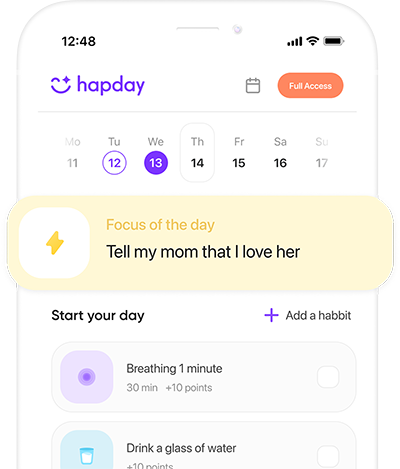
As the line between tradition and tech blurs, apps and platforms emerge, merging meditation and technology to offer motivational guidance. On those restless nights, an AI coach like Hapday guiding your meditation in real-time — with no appointment scheduling — seems so appealing, doesn’t it?
Bringing It All Together
Sleep, elusive yet crucial for many, might find its way through meditation’s steady embrace. Sure, the journey swirls with doubt initially, but practice weaves peace into each night.
Ready to unfurl your meditation journey with committed support? Hapday’s tools for mood tracking and guided meditation await.
Your odyssey to restful sleep starts now. Forsake aimless nights for guided harmony — one breath, one moment at a time.
The Bottom Line
Meditation can be a powerful ally in the quest for better sleep. By understanding its techniques and benefits, you can transform restless nights into peaceful slumber.
References
- American Psychological Association
- Harvard Medical School
- JAMA Internal Medicine
- Mayo Clinic