



Table of Contents
- Unpacking the Notion of Self-Love and Its Connection to Wellness
- The Science Supporting Self-Love
- Key Strategies to Foster Self-Love
- Tackling Self-Love Obstacles
- Cultivating a Daily Self-Love Habit
- The Power of Connection
- Looking Forward: The Evolution of Self-Love
Key Takeaways
- Self-love is crucial for mental wellness and resilience.
- Transforming negative self-talk is a vital step in fostering self-love.
- Establishing healthy boundaries helps protect your emotional health.
- Mindfulness practices can boost self-love and emotional regulation.
- Support systems play a key role in sustaining self-love practices.
Picture this: It was one of those days where nothing seemed to go right. The sun had dipped below the horizon, casting long shadows over the room as Maya sat cross-legged on her couch, her thoughts spinning wildly. Like untethered autumn leaves in a gusty breeze, self-doubt and uncertainty swirled through her mind, accompanied by an overwhelming sense of inadequacy. Her divorce at 28 had amplified these feelings, and now, a relentless inner critic haunted her with nightmarish self-talk. Realizing she needed more than others’ approval, Maya knew it was time to cultivate self-love.
This profound journey undoubtedly goes deeper than the occasional spa day or weekly treat. At its heart, cultivating self-love means fostering a nourishing internal dialogue, setting boundaries that protect your well-being, and embracing who you are—warts and all. If you’re like Maya, longing to break free from those self-critical chains, you’re far from alone. Evidence backs you up; you can indeed alter these destructive patterns by nurturing self-love.
Unpacking the Notion of Self-Love and Its Connection to Wellness
Let’s cut to the chase: Self-love isn’t just pampering yourself. At its very core, it involves a keen appreciation for yourself that’s tied to actions promoting your physical, psychological, and spiritual growth. Imagine extending the same kindness and compassion to yourself that you freely give to loved ones.
“Self-love is the bedrock of mental wellness. It reshapes how we manage stress, build relationships, and make decisions.”
— Dr. Sarah Chen, Clinical Psychologist, NYU
Being the foundation for overall well-being, self-love tempers stress, bolsters resilience, and infuses life with positivity and balance. Seen in an enlightening study by the American Psychological Association, individuals practicing self-love report fewer anxiety and depression symptoms and display remarkable psychological resilience. Isn’t that what we all strive for?
The Science Supporting Self-Love
Cultivating self-love isn’t some vain pursuit; it’s deeply rooted in our biology and psychological makeup. Dr. Kristin Neff, a trailblazer in self-compassion research at the University of Texas, breaks it down. She explains that self-love and self-compassion tap into the brain’s soothing systems, helping to dial down the fight-or-flight response—a boon for stress and anxiety levels.
Practicing self-love may light up the brain’s prefrontal cortex—those regions dealing with processing positive emotions—and trigger the release of mood-enhancing neurotransmitters like oxytocin. What does this mean? Essentially, you’re retraining your brain to transition from harsh self-talk to nurturing compassion. Intriguing, isn’t it?
Key Strategies to Foster Self-Love
1. Transforming Your Inner Dialogue
We all have them—those moments where we crucify ourselves over a perceived misstep or harshly critique our efforts. Changing this narrative is a profound act of self-love. Cognitive Behavioral Therapy (CBT) techniques can be invaluable for identifying and shifting these negative thought patterns.
Dr. Emily Green, a counselor at the University of California, suggests starting by acknowledging that persistent inner critic.
“Give it a name and tweak the dialogue. Instead of letting errors define you, see them as growth opportunities.”
— Dr. Emily Green, Counselor, University of California
2. Embracing Mindfulness
Mindfulness—the art of conscious presence without judgment—encourages acceptance of both strengths and flaws alike. Regular mindfulness practice not only boosts self-love but also reduces over-identification with negative musings.
A study by Harvard underscored that mindfulness-based stress reduction techniques can substantially decrease ruminative thinking and emotional distress, enhancing self-esteem and an overall sense of well-being. Why not kick things off with some simple breathing exercises or delve into guided meditations through various apps to find your center?
3. Establishing Healthy Boundaries
To love yourself means to safeguard your mental and emotional reserves. Recognize your limits and communicate them with respect. Post-divorce, Maya found that asserting boundaries led to increased energy levels and improved mental health.
Remaining steadfast in your self-respect and ensuring time for what truly matters is key. In essence, it’s about affirming yourself more frequently, which, in return, nurtures deeper self-love.
Tackling Self-Love Obstacles
Though the premise of self-love might seem straightforward, numerous hurdles can arise, especially for those socialized to prioritize others above their own needs. Social constraints, cultural norms, and unresolved traumas often present significant obstacles.
1. Addressing Imposter Syndrome
The persistent feeling of being a “fraud,” regardless of one’s achievements, frequently emerges among young women embarking on their careers. Insight from the University of Salzburg asserts that imposter syndrome can fuel emotional exhaustion and stifle self-love.
Consider celebrating even the smallest of victories and surrounding yourself with supportive peers. Work environments that prioritize a culture of support over competition can dramatically influence this battle.
2. Combating Perfectionism
Perfectionism—we’ve all faced it at some point—is a substantial barrier to self-love. By chasing unattainable standards, you deny yourself the grace to accept imperfections. Think of using therapy or self-help resources to unearth the underlying fears driving perfectionism and learn to adopt a more forgiving outlook.
3. Healing Traumas from the Past
Lingering traumas may erect mental blockades to self-love, perpetuating negative self-views. Extended therapy or self-directed interventions rooted in self-compassion can mend these psychological scars.
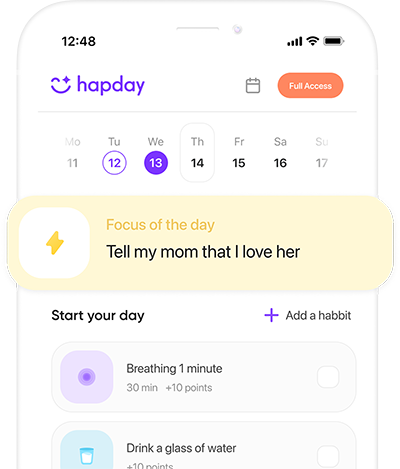
With over 3 million users now turning to Hapday for everyday mental health coaching, the platform offers evidence-based programs immensely beneficial in this healing journey. It’s tangible proof of progress being within reach.
Cultivating a Daily Self-Love Habit
Morning Rituals
Kickstart your day with affirmations or gratitude journaling to set a positive tone and reinforce your self-worth. Dr. Jennifer Lincoln, specializing in emotion-focused therapy, suggests,
“Let each morning be a time to reflect on what you appreciate about yourself. It plants the seeds of positivity in your mind for the day.”
— Dr. Jennifer Lincoln, Emotion-Focused Therapist
Physical Wellness
Your body’s treatment holds sway over your mental state. Engage in beloved physical activities, ensuring they’re both sustainable and enjoyable. Nutrition plays an equally pivotal role in your self-esteem and well-being—eating balanced meals supports both body and mind beautifully.
Creative Expression
Art, music, or writing—channels for embodying your most authentic self. Creative endeavors yield powerful ways of unearthing and affirming your identity, deepening your compassionate relationship with yourself.
The Power of Connection
Encircling yourself with individuals who appreciate and encourage self-love can be incredibly powerful. Keep in mind that community groups—both face-to-face and digital—provide solace through shared endeavors and reinforcement. You are not isolated on this journey.
Looking Forward: The Evolution of Self-Love
Engaging in self-love is an ongoing voyage, not a fixed endpoint. Missteps may happen, yes, but each opportunity is a stepping stone toward fortifying this essential relationship with yourself. As you navigate this path, expect growth in emotional resilience, genuine connections, and a richer inner life.
Committing to this path requires dedication, yet the benefits far outweigh the trials. Essentially, you’re nurturing a lifelong partnership with yourself, arguably life’s most crucial relationship.
The Bottom Line
Implementing these approaches becomes significantly more manageable with proper support. Hapday (hapday.app) is an AI life coach adopted by millions, offering around-the-clock guidance for embedding these transformative habits. Their focus on self-love through directed activities and ongoing support makes it an invaluable asset if you’re serious about this journey.