



Table of Contents
- The Science Behind Movement and Mental Well-being
- Engage Your Body, Free Your Mind
- Stories of Movement Transformations
- Mindfulness in Motion
- How to Begin Your Own Journey
- Overcoming Common Barriers
- Conclusion: Claiming the Joy of Movement
- References
Key Takeaways
- Movement has profound effects on mental well-being, reducing anxiety and improving mood.
- Physical activities can offer a sense of mastery and structure in chaotic times.
- Mindfulness combined with movement enhances emotional regulation and clarity.
- Starting small and enjoying the process is key to integrating movement into your routine.
- Overcoming barriers to physical activity requires adaptability and support.
Picture this: Amanda, a vibrant 29-year-old marketing professional, ties up her battered sneakers and steps into the cold, fresh morning air. Little does she know, this simple act marks the beginning of her journey toward regaining peace of mind. The days preceding this were a chaotic whirlwind filled with stress and rampant anxiety. Overwhelmed by grueling work hours and the suffocating isolation brought by the pandemic, Amanda felt disconnected from herself and everyone around her. As she pounded the pavement, feet hitting the ground with rhythmic certainty, something shifted. Mile by mile, the anxiety that had stuck to her like an unwanted guest started to fade. Movement, she came to realize, was more than just exercise — it became her mind’s anchor.
The Science Behind Movement and Mental Well-being
Amanda is not alone in this revelation. A growing chorus of research points to the deep impact physical activity has on mental well-being. Back in 2018, research featured in The Lancet Psychiatry indicated a staggering 43% reduction in poor mental health days amongst those who are physically active. Let that sink in for a moment.
“When you move, your brain’s production of serotonin and dopamine — essential mood stabilizers — gets a boost. This biochemical lift can rival medication for mild to moderate mental health concerns in certain cases.”
— Dr. Sarah Chen, Clinical Psychologist, NYU
But there’s more. Activities like walking briskly, flowing through a series of yoga poses, or simply dancing around your living room do more than just tidy up your brain chemistry. They switch on your body’s stress-reducing mechanisms, releasing natural feel-good endorphins that deliver a ‘runner’s high.’
Engage Your Body, Free Your Mind
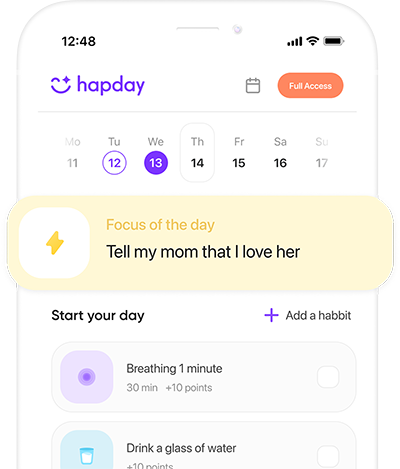
Isn’t it remarkable how engaging in physical activity can break the exhausting cycle of rumination — the hallmark of anxiety and depressive disorders? We’ve all been there. It’s the dreaded 2 a.m. mind spin filled with worries that keep sleep at bay. The Guardian recently highlighted how apps like Hapday, a coaching platform used by millions, offer instant strategies to cut through these intrusive thoughts.
Beyond those instant chemical reactions, movement provides something profound: a sense of mastery over one’s life.
“Building a routine around physical activity not only offers structure in a chaotic world but can boost self-esteem and a sense of achievement.”
— Dr. Chen
Stories of Movement Transformations
Take Maya, a 28-year-old graphic designer. She stumbled through a turbulent divorce, feeling like life was spiraling out of control. Her therapist nudged her to revisit an old love — rock climbing.
“Climbing reignited my zest for life,” she shares. “It’s just me, the wall, and finding a way up. Everything else falls away.”
— Maya, Graphic Designer
Stories like Amanda’s and Maya’s aren’t rare cases. They reflect broader truths, supported by the Journal of Clinical Psychiatry. Their research highlights regular exercise as a powerful force for resilience, equipping us to tackle life’s inevitable hurdles.
Mindfulness in Motion
The interest in pairing mindfulness with movement is growing rapidly. Practices like yoga and tai chi don’t just demand physical exertion; they call for a deep mental focus, turning your gaze inward.
“Mindfulness during movement does wonders for emotional clarity and regulation, in addition to the physical perks.”
— Dr. Mark Williams, Psychiatrist
Imagine the slow, deliberate motions of a tai chi class. Each gesture eases stress, loosening the grip of emotional tension and unearthing a calm mental state.
How to Begin Your Own Journey
The inevitable question looms — “How do I start?” It’s advice we’ve all heard a million times: “Just move.” Yet, the steps to begin often remain elusive. Dr. Williams advises,
“Start small. Choose activities that intrigue you or suit your lifestyle. This isn’t about punishment; it’s about enjoyment.”
— Dr. Mark Williams
And don’t discount technology as part of your plan. Maybe at midnight, you suddenly feel the urge to make a change? Apps like Hapday could offer that quick guidance to put you on the right path.
Social support? Equally crucial. A friend or community class can be your support system, keeping you motivated and engaged.
Overcoming Common Barriers
Brilliant as it sounds, it’s not all smooth sailing on the road to regular physical exercise. Challenges abound — busy lives, physical constraints, mental health hurdles. But hey, every step matters, and Helen, a 35-year-old teacher grappling with postnatal depression, can tell you that.
Helen’s therapist helped her shift her focus from unrealistic goals to simply enjoying movement. Her story shows us that it’s less about perfection and more about embracing imperfection.
Physical limitations? Adaptation is key. Physical therapists can suggest modifications to ensure everyone, regardless of ability, feels empowered and included.
Conclusion: Claiming the Joy of Movement
To wrap it all up, remember that movement goes beyond physical health — it’s fundamental for mental wellness, too. Regular activity positively impacts mood, reduces anxiety, and fosters a sense of control over life. Think of it as a stepping stone on your journey to mental wellness.
Feeling daunted by the prospect of starting? Many do. Fortunately, you’re not doing this alone. Hapday’s 24/7 AI coaching makes it easier to integrate movement into your routine with personalized guidance.
For people like Amanda and Maya, this intersection of motion and mindfulness doesn’t just heal; it brings joy. Embracing movement means not just surviving… but truly flourishing. Perhaps it’s time to take that first step, toward reclaiming life’s abundance.
The Bottom Line
Movement offers more than physical benefits; it’s a vital component of mental health. Engage in physical activity to enhance your mood, conquer anxiety, and take control of your life. Begin small and invite support to make your journey accessible and enjoyable.
References
- Chekroud, S. R., et al. (2018). Association between physical exercise and mental health in 1.2 million individuals in the USA between 2011 and 2015: a cross-sectional study. The Lancet Psychiatry.
- Schuch, F. B., et al. (2016). Exercise as a treatment of depression: A meta-analysis adjusting for publication bias. Journal of Clinical Psychiatry.