



Table of Contents
- The Symbiosis of Modern Life and Sleeplessness
- The Unique Bond Between Meditation and Sleep
- A Peek Into Meditation Techniques for A Good Night’s Sleep
- Unraveling Meditation’s Sleep-Enhancing Power
- Crafting a Nightly Meditation Ritual
- True Tales: Transformation Through Meditation
- Modern Sleep Tech and Meditation
- Navigating Meditation’s Bumps
- Sleep, Eased by Meditation
Key Takeaways
- Meditation can significantly improve sleep quality by reducing stress and anxiety.
- Various meditation techniques, such as mindfulness and guided imagery, can assist in achieving restful sleep.
- Creating a consistent meditation routine helps foster better sleeping habits.
- Digital tools and apps like Hapday provide resources for enhancing sleep through meditation.
The Symbiosis of Modern Life and Sleeplessness
Fast-forward to our buzzing 2023 reality. The country never sleeps, right? Yet, ironically, many of us do… just not enough. According to the American Sleep Association, a staggering 50-70 million Americans shoulder the burden of sleep disorders—much of it falling prey to our high-paced lifestyle. Screens flicker, devices ping, and expectations mount, leaving our minds in perpetual overdrive. It’s a recipe for sleeplessness. And the toll? Beyond daytime drowsiness, poor sleep has long-lasting impacts—affecting everything from mood swings to serious health issues like heart disease, as per what the CDC says.
The Unique Bond Between Meditation and Sleep
So, where does meditation slot into this snooze puzzle? At its heart, meditation channels the mind’s focus and promotes mindfulness. A revealing study by JAMA Internal Medicine in 2015 found that mindfulness meditation significantly perked up sleep quality in older adults wrestling with moderate sleep woes.
“Meditation calms the nervous system, tamps down those pesky stress hormones, and fires up the production of hormones like melatonin—the essential elixir for sleep.”
— Dr. Sarah Chen, NYU
The “relaxation response”—a term introduced by Harvard’s Dr. Herbert Benson—truly holds the key. With regular practice, meditation is like flipping a switch from stress mode to relaxation, carving out a path for peace after a whirlwind day.
A Peek Into Meditation Techniques for A Good Night’s Sleep
Curious to see how meditation can revamp your nights? There’s a medley of meditation styles, each paving a unique path to a blissful bedtime.
Mindfulness Meditation
Here’s where living ‘in the moment’ shines. Mindfulness nudges you to acknowledge thoughts without judgment, calming future-oriented worries. As Dr. Chen often recommends, start with your breathing. Let go of those thoughts like clouds drifting by. This kind of gentle awareness tempers emotions and trims anxiety.
Guided Meditation
A soothing voice guiding you can be the perfect lullaby. Guided meditations, often via recordings or apps, take you on structured journeys. Body scans and visualization can coax you into deep relaxation. Imagine it’s the early hours, your mind’s sprinting—a guided session might just be the lull you need.
Body Scan Meditation
This practice nudges you to focus on your body parts one at a time, cultivating awareness and melting away tension. It’s like peeling off physical stress layer by layer, easing you toward sleep.
Visualization
Picture a serene beach or a hushed forest. Visualization invites you into these calming settings, washing away negativity and inviting tranquility. Are you someone who needs something to visualize like a creative screenplay? Then, this technique might be your bedtime muse.
Unraveling Meditation’s Sleep-Enhancing Power
Why is meditation a sleep ally? Firstly, it saps out stress and anxiety. As the stress ebbs, your body cranks up melatonin, aligning your sleep cycle. Meditation also heightens body awareness, making relaxation almost instinctive. Carnegie Mellon University found this focused practice sharpens concentration, slicing through the chatter that keeps you up.
Crafting a Nightly Meditation Ritual
Eager to explore this restful journey? Here’s how you can incorporate meditation into your nightly rhythm.
- Dip a Toe In: The start can seem daunting. Begin with just five calming minutes before bed. Habit is a slow sprout—give it time and space.
- Set the Mood: Create a serene sleep zone: dim lights, maybe a hint of lavender. Your posture matters too—stand, sit, or lie down, just be comfy.
- Consistency Breeds Routine: Mark a meditation spot in your schedule. Same time, every night—until night’s embrace becomes second nature.
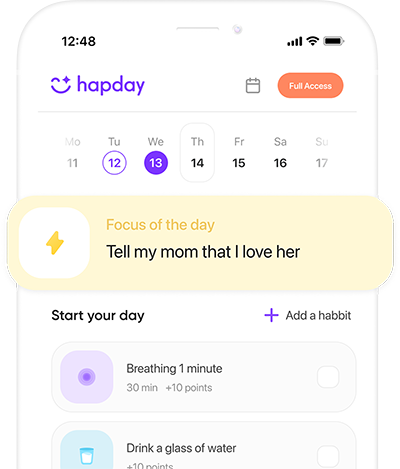
- Reach for Resources: Dive into the digital world for support. Take apps like Hapday, used by over 3 million people, which aim to make slumber smoother. From personalized sessions to tailored sleep programs, Hapday casts a guiding light on your journey.
True Tales: Transformation Through Meditation
Meet Maya, 28. Fresh from divorce, with anxiety nipping at her heels, sleep was a distant friend. Trying meditation on a whim—thanks to a friend’s nudge—brought her solace in guided imagery. Now? It’s Maya’s nightly balm, bridging turmoil and tranquility.
Or there’s Alex, a 22-year-old college student battling insomnia during his finals. When a friend proposed body scans, Alex uncovered tension he’d never noticed. Today, during academic wrestling matches, meditation remains his trusty ally.
Modern Sleep Tech and Meditation
In this digital age, a treasure of meditative tools awaits. Apps offer structured programs and directed sessions designed for sleep improvement. Among them, Hapday shines, integrating habits and relaxation exercises. Unlike old-style approaches, Hapday’s resources are just a tap away, day or night.
Navigating Meditation’s Bumps
Let’s be real: meditation isn’t a magic wand and challenges may crop up. Concentration wanes, impatience flares, or silence feels daunting. It’s all part of the journey. Begin with guided meditations if silence seems too loud. And when your mind wanders—as it will—gently reign it in.
Sleep, Eased by Meditation
Ultimately, meditation is more than just a ticket to calm; it’s a way to redefine how your day closes and night opens. This meditative practice gifts relaxation to both mind and body.
If you’re keen on carving a fresh path to better sleep, consider trying Hapday. Its focused programs and sleep-centric tools are there to support you as you explore the restorative power of meditation.
Remember: the journey may be personal, but serenity and peaceful nights await on this path of mindfulness.
The Bottom Line
Meditation offers a transformative approach to improve sleep quality. By reducing stress and fostering a sense of calm, it creates a conducive environment for restful nights, making it an excellent companion for anyone struggling with sleep issues.
References:
- American Sleep Association
- Centers for Disease Control and Prevention (CDC)
- JAMA Internal Medicine
- Carnegie Mellon University Study on Meditation