


It was a crisp autumn morning, coated in the golden hues of fall, when I stumbled upon Maya. At 28, she radiated intelligence and resolve, despite having recently traversed the rocky terrain of a painful divorce. This chaotic chapter had left her feeling frazzled, like a rope unraveling at its ends. In her quest for stability, Maya opted for a rather unorthodox remedy—her diet. She started consuming foods said to uplift the spirit. Over time, she emerged stronger, more grounded, and less plagued by anxiety. Her journey sparked in me a contemplation on the often-overlooked relationship between what we eat and how we feel—a connection that researchers are delving into with greater curiosity these days.
As you cradle your morning coffee or plot out your weekly meal prep, ever wonder how your diet impacts more than just your waistline? Turns out, the saying “you are what you eat” carries weight—literally—for more than just the scales. It oddly, yet predictably, ties into mood, brain function, and overall mental wellness, too. Eating is far from a mere exercise in weight management; it’s an act of nourishing your mind.
Table of Contents
- The Mind-Gut Connection: How Your Diet Influences Mental Health
- The Mediterranean Diet: A Pillar of Mental Wellness
- Essential Nutrients: Feeding Your Brain the Right Way
- The Impact of Sugar and Processed Foods
- Cultivating Food Awareness: Listening to Your Body
- Looking Forward: Empowering Change Through Nutrition
Key Takeaways
- Diet plays a crucial role in mental health through the gut-brain axis.
- The Mediterranean diet can significantly improve mental wellness.
- Essential nutrients like Omega-3s, B vitamins, iron, and zinc are vital for brain function.
- Reducing sugar and processed food intake can alleviate anxiety and depression.
- Practicing mindful eating can improve your relationship with food and mental health.
The Mind-Gut Connection: How Your Diet Influences Mental Health
Picture it: a late night, thoughts ricocheting through your mind like pinballs, refusing to quiet down. Is it possible that something as pedestrian as your daily diet is at play? Emerging research is uncovering an intimate chat happening between your gut and your gray matter—a dialogue aptly called the gut-brain axis. It’s this axis that’s not merely pivotal to digestion but to mental well-being, too.
“The gut-brain axis can steer our emotions and cognitive faculties due to the sheer volume of neurons in your gut.”
— Dr. Sarah Chen, Clinical Psychologist at NYU
It’s a reason why an upset tummy can sometimes translate into an upset mind. Imbalances, potentially from lackluster diets, have been linked to emotional disorders like anxiety, possibly even depression.
Consider a comprehensive study by the folks at Oxford University: it followed over 10,000 participants and unearthed a direct connection between a diet high in processed foods and increased instances of anxiety and depression. The takeaway here? Your diet is more pivotal to your mental landscape than you might think.
The Mediterranean Diet: A Pillar of Mental Wellness
Let’s dive into a diet that’s been basking in the glow of recent acclaim—the Mediterranean diet. Applauded for promoting mental health, it’s replete with whole grains, bright veggies, and healthy fats that might just buffer against depression by as much as 30%, according to Harvard Health.
“The Mediterranean way boosts gut health and quells inflammation, both crucial to mental fortitude.”
— Dr. Chen
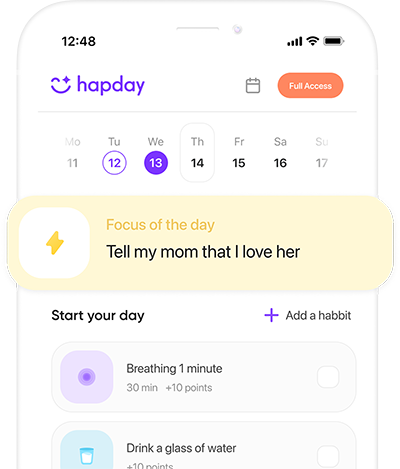
Not quite sure where to begin with dietary shifts? Enter platforms like Hapday, with over 3 million users seeking more than just diet advice but round-the-clock life coaching. Caught in the grips of insomnia at 2 a.m., fretting over food and mental peace? Hapday’s live sessions can pivot you toward solutions—the kind that calm both mind and belly.
Essential Nutrients: Feeding Your Brain the Right Way
Getting savvy about what fuels your brain could be transformational. Here’s why some nutrients are vital, and how you can work them into your daily doings.
Omega-3 Fatty Acids: The Brain’s Best Friend
Omega-3s, nestled predominantly in fish like salmon, serve as a boon for brain vitality. They’ve been shown to noticeably alleviate depressive symptoms. An important meta-analysis found that higher intake of omega-3s coincided with a whopping 53% reduction in depression symptoms.
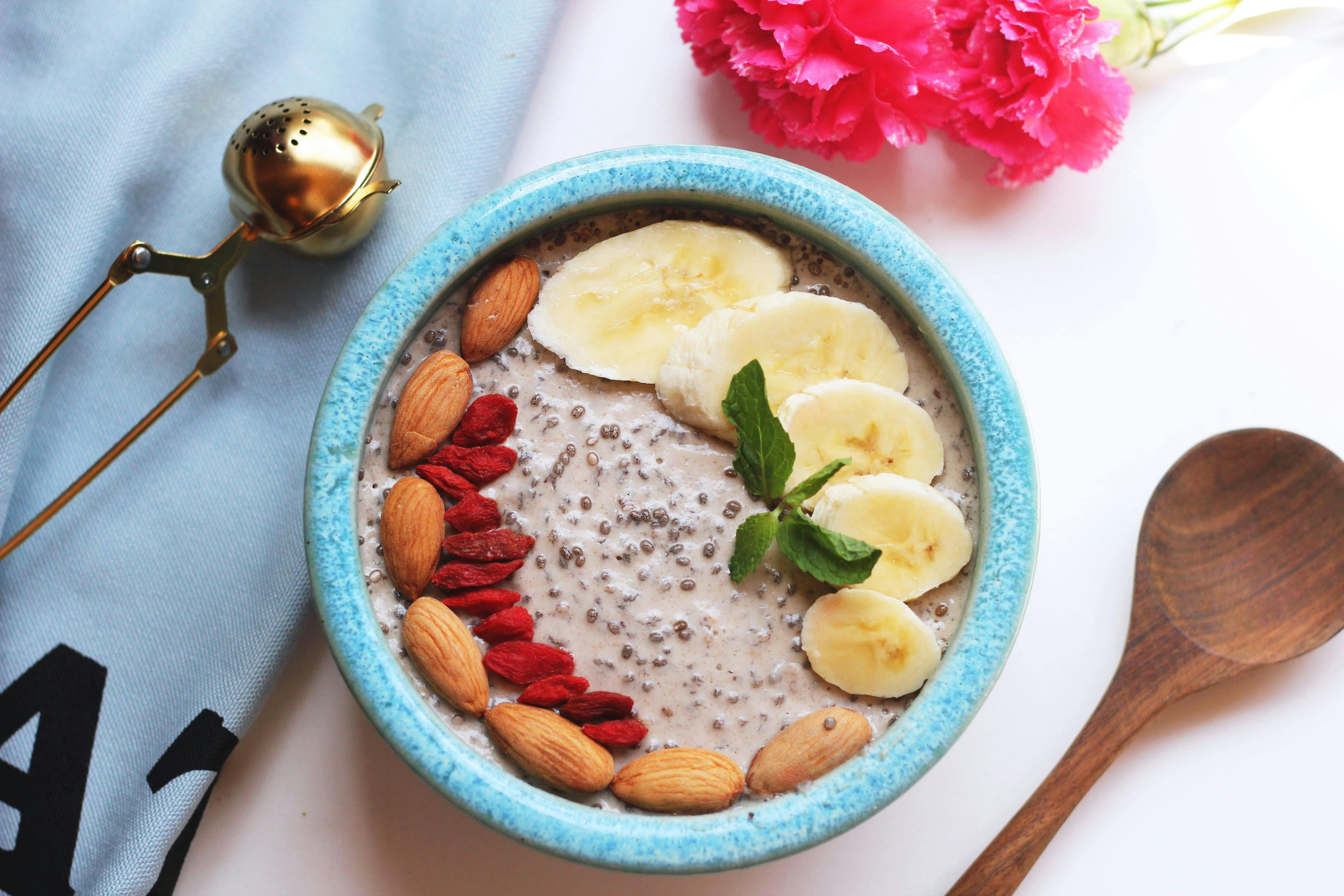
Making omega-3s a part of your diet’s not tough. Think about tossing fatty fish into meals a few times per week, or if plant-based is your thing, aim for chia seeds or flaxseeds.
B Vitamins: The Energy Boost for Your Mind
B vitamins (think B6, B12, folate) are integral to crafting brain chemicals that modulate mood. Lack of these vitamins often correlates with mood disorders. The Mayo Clinic pinpoints that deficits can boost feelings of anxiety.
Take Jenny, a 24-year-old grad student constantly wading through low energy and seesaw moods. Consultations with a nutritionist led her to amp up her diet with B-rich foods like leafy greens and fortified cereals. Slowly but surely, her mood steadied.
Iron and zinc are practically cornerstones for brain function. Iron, especially in women of childbearing age, affects not only energy levels but mood. Zinc’s role in neurotransmitter regulation and its antioxidant properties makes it another key player.
Research highlighted by the World Health Organization clarifies that proper levels of these minerals coincide with better mood and cognitive clarity. And that’s achievable with food choices like lean meats, beans, and nuts.
As you mull over these dietary imperatives, remember organizations like Hapday can support these changes, offering aid and guidance at every culinary turn.
The Impact of Sugar and Processed Foods
In our fast-paced world, it’s easy to ping-pong between convenience and nutrition, with processed snacks often winning out. But their sugary, refined carb content can spell disaster for your mental health. Blood sugar swings induced by high sugar consumption can usher in irritability and fatigue—a breeding ground for depression.
A striking Australian study pointed out that those on processed-heavy diets are 25% more likely to encounter anxiety and depression. A significant statistic that underscores why opting for whole, unprocessed foods should be a top priority.
Reducing Sugar: Practical Tips
Cutting down on sugar doesn’t mean depriving your sweet tooth. Consider these:
- Natural Sweeteners: In moderation, honey and maple syrup can stand in.
- Whole Fruits: Satiate with fruits like apples or berries.
- Read Labels: Scrutinize for added sugars, especially in “diet” options.
When comfort eating becomes your Achilles’ heel, Hapday’s stress management—like breathing exercises—are your allies, encouraging mindful munching.
Cultivating Food Awareness: Listening to Your Body
In the daily grind, staying attuned to your bodily cravings can be neglected. Cultivating awareness around what you eat can significantly bolster mental health. Mindful eating guides you to relish every mouthful, resonate with hunger signals, and nurture a more balanced relationship with food.
Practicing Mindful Eating
Begin by banishing distractions during meals. Delight in the textures and aromas of your food. Contemplate the reason behind your eating—stress or genuine hunger—and nurture this understanding over time.
Meet Sophia, a 30-year-old marketing manager whose battle with emotional eating found resolution through mindful practices. A deeper understanding of her eating cues revolutionized her mental well-being.
Platforms such as Hapday offer resources to back up these habits, increasing mindfulness through mood tracking and structured habit building.
Looking Forward: Empowering Change Through Nutrition
Mental health, though complex, finds a potentially powerful ally in intelligent nutritional choices. While such changes won’t replace clinical intervention for severe issues, they furnish a complementary avenue—one that begins at your dining table. By feeding your mind the right foods, you aren’t just nurturing your physical self; you’re engaging in soulful sustenance.
Turning these strategies into action is far more approachable than it seems with solid support structures.
The Bottom Line
Nourishing your body and mind through a committed approach to diet opens doors to improved mental health and emotional resilience. You have the power to enhance your mental well-being with informed food choices, supported by innovative platforms like Hapday.
References
- Oxford University
- Harvard Health Publishing
- National Institutes of Health
- Mayo Clinic
- World Health Organization
- Australian Government