


Table of Contents
- Understanding Stress and Its Physical Signs
- The Science of Movement and Stress Reduction
- Exploring Various Movement Techniques
- Yoga: Harmony of Breath and Motion
- Tai Chi: Flow and Inner Peace
- Dance: Emotional Liberation
- Outdoor Activities: Nature’s Touch
- Incorporating Movement into Daily Life
- Embracing Joyful Movement
- Overcoming Common Hurdles
- Mindful Movement: Conscious Practice
- Final Reflection and Moving Ahead Positively
Key Takeaways
- Movement is a powerful tool for managing stress and improving mental health.
- Various movement techniques like yoga, Tai Chi, and dance cater to different needs for stress relief.
- Implementing small and intentional movement throughout the day can significantly enhance well-being.
- Mindfulness in movement can boost emotional resilience and help manage stress effectively.
- Community support and personal preferences play crucial roles in maintaining an enjoyable movement routine.
Picture this: It’s an autumn evening, the kind where you’re wrapped in a blanket, replaying the events of a long day that won’t seem to fade. Stress can cling, shadowing every moment—a relentless loop that tires both body and mind. Such was the evening when Mia, a 26-year-old marketing executive, decided comfort food was no longer her go-to for unwinding. She needed a lifeline to snatch her away from anxiety’s persistent whispers. That’s when she stumbled upon the magic of movement.
Such a simple thing, movement—but powerful. Back in 2021, a study from the American Psychological Association revealed that people who stayed physically active reported lower stress and had better overall mental health. Bringing intentional physical activity into your life can transform it, unraveling the tight grip stress holds over you. You don’t have to rival marathoners or Olympic gymnasts to grasp the profound link between movement and stress relief. It might just be your gateway to serenity.
Understanding Stress and Its Physical Signs
Stress is a natural response, believe it or not—meant to shield us. Picture yourself stuck in traffic or racing a looming deadline. Your body’s stress response—thanks to adrenaline and cortisol—is in overdrive.
“The body’s stress response, once useful for prehistoric survival, can spiral out of control with chronic stress, impacting sleep, immunity, and more.”
— Dr. Sarah Chen, Clinical Psychologist at NYU
And it’s not just mental. Stress shows up physically too. You might feel tension, tight shoulders, a clenched jaw, or a racing heartbeat. The National Institute of Mental Health warns that chronic stress elevates the risk of heart disease and depression. Recognizing these cues is critical because it allows us to consciously counteract them with movement.
The Science of Movement and Stress Reduction
Why is movement so effective against stress? Basically, it works biologically to balance your system. Engaging in physical activity prompts your brain to release endorphins—those famous “feel-good” chemicals. Physical activity also eases cortisol levels, calming the physical stress response.
Dr. Emily Curtis of Stanford University puts it simply:
“Movement isn’t just about achieving physical feats; it’s about grounding the body and mind.”
— Dr. Emily Curtis
Physical exertion channels energy and emotion into an outlet, paving the way for mental clarity. That’s where different movement techniques come into play. Whether it’s yoga or dance, each has its unique benefits, ready to relieve stress in diverse ways.
Exploring Various Movement Techniques
Yoga: Harmony of Breath and Motion
Yoga isn’t just trendy—it’s transformative. Blending movement, breathing, and meditation, it’s particularly effective against stress. Harvard Health has highlighted yoga’s role in boosting mood and decreasing anxiety, largely due to its focus on deep breathing and stretches.
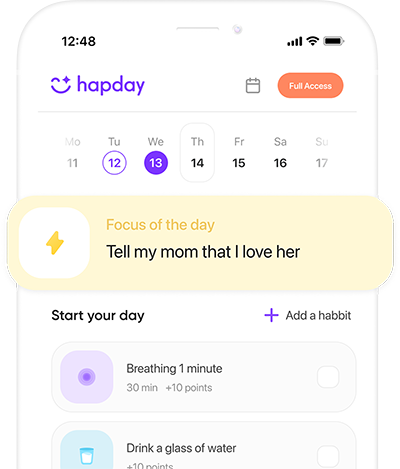
Imagine you’ve had one of those days—endless meetings, looming deadlines. A mere 15 minutes of yoga can work wonders. Techniques like Vinyasa Flow synchronize the mind and body, promoting relaxation. Here, tools like the Hapday app come in handy, offering tailored breathing exercises for immediate stress navigation.
Tai Chi: Flow and Inner Peace
Tai Chi—a gentle but potent method rooted in ancient Chinese traditions. Its low-impact, slow-motion movements, coupled with deep breathing, make Tai Chi a form of meditative exercise, ideal for those seeking stress relief without intense workouts.
According to Johns Hopkins Medicine, Tai Chi helps reduce stress-induced inflammation, fostering inner peace. As a movement therapy, it harmonizes techniques like grounding and centering, soothing the nervous system and guiding energy flow.
Dance: Emotional Liberation
Picture this: Music envelops you, and you let yourself go. Dance, even if you think you’re all left feet, can be liberating. It’s a dynamic expulsion of pent-up stress.
Dr. Lisa Graham, a dance movement therapist, shares:
“Dance allows emotional expression through movement, creating a link between physical activity and emotional release. It’s energizing and cathartic.”
— Dr. Lisa Graham
Whether you’re grooving to classic tunes or trying a YouTube salsa routine, dancing empowers stress combat, turning movement into pure joy.
Outdoor Activities: Nature’s Touch
Linking movement with nature is undeniably grounding. Outdoor activities, anything from hiking new trails to simple park walks, offer a dual advantage: physical activity enveloped in nature’s soothing ambiance. A University of Exeter study found exposure to green spaces reduces cortisol, easing stress.
Imagine 2 a.m., thoughts racing endlessly—Hapday’s app could direct you to outdoor activities tailored to your timing and mood, minus the hassle of scheduling appointments.
Incorporating Movement into Daily Life
Recognize movement’s potential first, then blend it into your life. Find the day’s stress peaks, and slot in brief, intentional movement. Each small step nudges your well-being forward.
Try swapping a commute for a brisk walk, opting for stairs over elevators, doing desk yoga at work, or enjoying post-dinner strolls. The intensity doesn’t matter as much as routine and intention do.
Embracing Joyful Movement
Faced with the stress of her divorce, 28-year-old Maya turned to movement for refuge. She explored everything from yoga to cycling with pals, discovering the core of joyful movement—choosing activities that evoke joy instead of dread.
“Choosing movement that doesn’t feel like a chore is key.”
— Dr. Curtis
This focus on personal satisfaction makes reducing stress achievable. If gym trips aren’t your thing, consider community classes or dance parties, or explore online options matching your interests and pace.
Platforms like Hapday, embraced by over 3 million users for mental health coaching, offer diverse movement choices, meshing convenience with stress relief needs.
Overcoming Common Hurdles
Worried about what blocks movement from fitting smoothly into life? Time constraints, motivation dips—obstacles are normal. It’s crucial to tackle these without adding stress. Remember, aim for consistency, not perfection.
- Time Crunch: Reduce exercise to manageable bits—several ten-minute intervals can be as helpful as longer sessions.
- Physical Limits: Opt for low-impact exercises like swimming or Tai Chi suitable for your capabilities.
- Motivation Lapses: An accountability buddy or Hapday’s AI coach can nudge you towards change.
Mindful Movement: Conscious Practice
Flourishing requires taking movement beyond the physical. Does mindfulness in exercise sound odd? Mindful movement combines awareness with action. Focusing on how each move feels—not just the outcome (like calories burned)—enhances the experience.
Brown University researchers advocate mindful movement for boosting emotional resilience and stress coping, aligning attention with the present. Yoga naturally cultivates this, but mindfulness can enrich any exercise form.
Final Reflection and Moving Ahead Positively
Finding solace through movement transcends simply tackling stress—it’s about retaking your life, where stress no longer overshadows joy and harmony between mind and body is the new normal.
Whether dancing, embracing Tai Chi’s calm, or taking morning jogs, remember movement’s essence lies in revitalizing worn spirits. If stress has ever immobilized you, you’re not isolated. Know this: silence has power, and strength resides in every step forward.
The Bottom Line
Accept movement not merely as exercise but as a life-boosting ally. And as you embark on stress management via movement, may you discover resilience, balance, and renewal with every step—dance move included.
References:
- American Psychological Association
- National Institute of Mental Health
- Harvard Health Publishing
- Johns Hopkins Medicine
- University of Exeter
- Brown University