



Table of Contents
- Understanding Cognitive Behavioral Therapy
- Why CBT Works: The Science Behind It
- Applying CBT to Everyday Life
- Overcoming Insomnia with CBT-I
- CBT for Overcoming Social Anxiety
- The Role of Self-Compassion in CBT
- Building a Sustainable CBT Routine
- CBT and Cultural Sensitivity
- Selecting the Right CBT Practitioner
- Empowering Yourself with CBT
Understanding Cognitive Behavioral Therapy
Think of CBT as a conversation—more structured than a chat with a friend but profoundly impactful. It nudges us to reshape negative thought patterns, tweaking the internal dialogue that can steer our emotions and actions.
“CBT equips folks with strategies to recognize and change dysfunctional thinking.”
— Dr. Sarah Chen, Clinical Psychologist
If we trace CBT’s DNA, we find it sprouting in the 1960s, courtesy of psychiatrist Dr. Aaron T. Beck. It’s grounded in robust research, addressing mental mazes like anxiety, depression, and the thief of peaceful nights—insomnia. Nearly 1 in 5 adults in the U.S. tango with anxiety disorders (so says the National Institute of Mental Health), making CBT’s toolkit more relevant than ever.
Why CBT Works: The Science Behind It
CBT isn’t just talk—it’s like getting personalized blueprints for emotional strength. Caitlin Murray, a therapist who breathes CBT, compares it to having “a roadmap for emotional resilience.” Goals, problem-solving, practice outside sessions; these are bricks that fortify our neural pathways toward positivity.
A meta-analysis in JAMA Psychiatry applauds CBT’s prowess across various disorders—with substantial improvement rates. Such efficacy surely has helped CBT secure its spot in the modern mental health toolkit. But don’t just take the stats for it—ask those who’ve felt the shift.
Applying CBT to Everyday Life
Picture life’s chaos as a storm of thoughts. Maya, 28, found herself caught in one post-divorce. CBT helped her pinpoint and question her automatic negative assumptions. Instead of letting them spiral, she wielded CBT tools like cognitive restructuring to view things through a clearer lens.
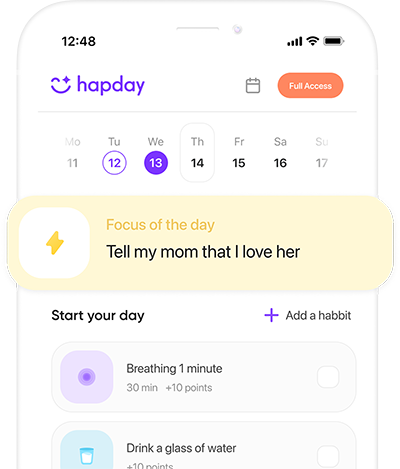
We all wrestle with distortions like “catastrophizing.” Maladaptive thoughts can be dismantled with practices like thought diaries—and in our digitized world, apps and platforms (Hapday, anyone?) usher therapy into our pockets, breaking down the barriers of traditional setups.
Overcoming Insomnia with CBT-I
Insomnia? A sleep robber many young adults know too well. CBT-I—an insomnia-specific tweak to CBT—digs deep, tackling roots of our nocturnal woes. Ever found yourself wide-eyed at 2 AM, worries multiplying like rabbits? CBT-I curbs nighttime anxieties, altering sabotaging sleep habits.
CBT-I’s magic has measurable potency. A Sleep Medicine Reviews piece found it about 52% effective. Beyond sleep, it reduces anxiety and depression symptoms; like a domino effect leading to improved well-being.
CBT for Overcoming Social Anxiety
Hyperconnectivity plus social anxiety—our Gen Z paradox. The facade of online perfection collides with real-life social dread. Here enters CBT, offering a map to break free from the paralysis of social worries.
Social settings can feel like the high-wire act. Strategies like exposure therapy expose the fear-caged mind to social situations gradually, rewriting narratives that shape social interactions. With apps like Hapday, real-time support can feel just around the corner, a coach whispering guiding cues as if on standby.
The Role of Self-Compassion in CBT
Self-criticism—our familiar foe. But CBT underscores something often glossed over: self-compassion. Instead of flogging ourselves over each misstep, therapy helps winnow self-compassion into self-talk.
“This compassion eases emotional distress, bridging feelings of connectedness.”
— Dr. Yong Kim, Clinical Psychologist
Building a Sustainable CBT Routine
Physical fitness has gyms; mental fitness? CBT’s its counterpart. Make it a routine, not a chore—consistency brings the payoff in emotional resilience. Start small; you’re planting seeds of change, not uprooting trees overnight.
CBT and Cultural Sensitivity
Today’s world is a tapestry of diverse cultures, each influencing mental health uniquely. CBT’s framework is flexible enough to adapt, resonating with different cultural nuances. It’s about engaging therapists in cultural dialogues, making therapy not just effective but truly personal.
Selecting the Right CBT Practitioner
Don’t picture therapy as a sterile couch or dimly lit office. It’s more accessible now than ever, from telehealth to cozy digital platforms. Chemistry is key; find a therapist whose approach resonates. Credentials count, but rapport and comfort can be game-changers.
Empowering Yourself with CBT
In life’s complex tapestry—managing stress, societal pressures, and sleep snags—CBT stands as a pillar of hope. Its techniques extend into daily rhythms, transforming challenges into stories of strength.
Feeling proactive about mental health? CBT’s your ally—backed by science, evidenced by personal triumphs. Tools from therapy don’t remain confined to sessions; they seep into daily life, where real magic unfolds.
Explore platforms like Hapday for enriching mental health journeys. With individualized guidance trusted by millions, the journey towards resilience and empowerment awaits.
Key Takeaways
- CBT helps reshape negative thought patterns and cultivate emotional resilience.
- CBT can address a wide array of mental health issues, including anxiety, insomnia, and social anxiety.
- Self-compassion is a vital component of the CBT process.
- Consistent practice of CBT techniques is essential for lasting change.
- Building rapport with a therapist can greatly enhance the therapy experience.
The Bottom Line
In a world filled with pressures and challenges, Cognitive Behavioral Therapy provides invaluable tools for managing mental health. With its adaptability and emphasis on self-compassion, CBT empowers individuals to navigate life’s complexities, promoting resilience and emotional well-being.