



Table of Contents
- Unpacking Meditation: A Pathway to Better Sleep?
- Different Meditation Techniques for a Restful Night
- The Science Behind Meditation’s Sleep Benefits
- Setting a Meditation Routine: Your Blueprint to Success
- Navigating Meditation Challenges
- A Real-Life Transformation: Meditation’s Power Unveiled
- Empowering Your Sleep Quest
Key Takeaways
- Meditation can help alleviate insomnia by anchoring the mind and reducing stress.
- Various meditation techniques like mindfulness and guided meditation can be customized for personal needs.
- Regular meditation practice enhances sleep quality and overall emotional wellbeing.
- Establishing a consistent meditation routine is essential to reaping its benefits.
- Small changes in sleep habits can lead to significant improvements in sleep quality.
Unpacking Meditation: A Pathway to Better Sleep?
Let’s break it down: before we explore how meditation might revolutionize your sleep, what exactly are we talking about? Contrary to common belief, it isn’t about achieving a thought-free state. Meditation involves anchoring your mind in the present, toning down stress, and promoting emotional stability.
“Meditation activates the parasympathetic nervous system—let’s call it the ‘rest and digest’ mechanism—ushering in relaxation and enhancing sleep quality.”
— Dr. Sarah Chen, Clinical Psychologist at NYU
There’s solid research to back it up. Take that paper published in “JAMA Internal Medicine”: it found that mindfulness meditation made a considerable dent in sleep issues for older adults with sleep disturbances. By offering a tranquil mind, meditation can help you slip into sleep more swiftly and keep you under the covers for longer stretches.
Different Meditation Techniques for a Restful Night
When it comes to meditation, there’s no one-size-fits-all. Each technique has its unique flavor and can be tailored to fit your lifestyle and preferences, transforming your path to great sleep into a personalized journey.
Mindfulness Meditation
Mindfulness meditation focuses on embracing the present with open-mindedness and non-judgment. This practice can whittle down ruminating thoughts—often a major culprit behind insomnia—by helping you let go of past grievances or future worries.
“When Maya, a 28-year-old who just went through a divorce, found nights filled with ‘what-ifs’ and ‘could-have-beens,’ mindfulness meditation brought her to a calmer place by redirecting her focus to her breathing.”
— Dr. Sarah Chen
Picture this: you’re tucked in, the room dimly lit. Your thoughts drift. Simply redirect that mental energy to the rhythmic in and out of your breath. Stick with it for a couple of weeks, and who knows? You might catch some more Z’s naturally.
Guided Meditation
Guided meditation can be a solid ally for sleep. It’s all about listening to a narrator who paints dreamy landscapes or soothing tales, guiding your consciousness toward rest. It’s easy enough to find these guides in apps or audio clips.
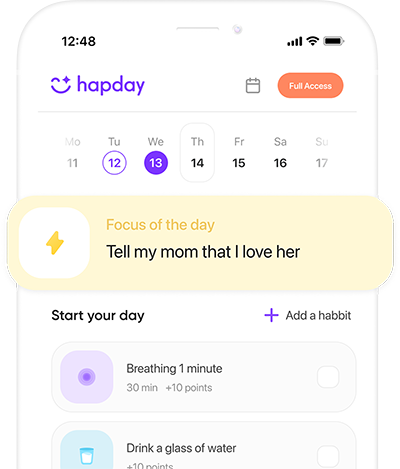
Take Hapday, for instance. Over 3 million people use it for daily mental rejuvenation, and its guided meditation sessions can smooth your transition into sleep. Given its around-the-clock presence, it’s an easy addition to any nightly routine.
The Body Scan Method
Body scan meditation zeros in on progressive muscle relaxation, systematically directing attention to different body parts. No judgment—just noticing sensations.
Start with your toes, progress upwards bit by bit, and allow each muscle group to unwind. This intent focus can pull the mind away from its restless tendencies, calming both body and soul as you drift into slumber.
The Science Behind Meditation’s Sleep Benefits
Why does meditation offer such respite? It’s not just anecdotal. Meditation ramps up melatonin production—a key hormone that controls sleep-wake cycles. In a study from the University of Massachusetts Medical School, participants in a mindfulness meditation program boasted higher melatonin levels than their non-meditative peers.
Plus, meditation lowers your heart rate and breath frequency, diving deeper into bodily calmness conducive to sound sleep. It also slashes cortisol, the pesky stress hormone that can throttle restful sleep when stress levels rise.
Remember, sleep isn’t merely about shutting your eyelids. It’s crucial for your overall wellbeing—poor sleep hikes your risk of mental health problems, heart issues, and even obesity. Bringing meditation into the mix doesn’t just promise better sleep; it’s a cornerstone in the journey towards holistic wellness.
Setting a Meditation Routine: Your Blueprint to Success
Want to experience those dreamy benefits? Establishing a meditation rhythm is essential. Here’s how to make it happen:
- Pick Your Spot: A comfortable nook free from distractions signals rest time to your brain.
- Routine is Key: Think of meditation like brushing teeth—a daily habit. Begin with just five minutes and dial it up as comfort grows.
- Breathe Deeply: Deep breathing alongside meditation can boost relaxation. Engage the parasympathetic nervous system for tranquility.
- Leverage Tools: Fried by solo meditation? Apps like Hapday feature live AI coaching to help pacify your mind at any hour.
- Embrace Patience: Immediate shifts are rare; meditation’s magic unfolds gradually. Monitor small changes, like quicker sleep transitions or fewer nightly wake-ups.
Navigating Meditation Challenges
Every new venture comes with its hurdles. Common obstacles might include discomfort with stillness, a crammed schedule, or a mind easily led astray. Here’s how to slay those dragons:
- Avoiding Discomfort: Not a fan of sitting still? Try lying down or bolstering your posture with cushions.
- Too Busy Syndrome: Even modest sessions—five minutes can do wonders—are worth it. Consider it an investment in you.
- Mind Wandering: Instead of wrestling with stray thoughts, watch them drift by and gently bring your focus back.
A Real-Life Transformation: Meditation’s Power Unveiled
Meet Lily, a graduate student aged 24, plagued by insomnia. The pressure of academics held her sleep hostage. She turned to mindfulness meditation, starting with just five minutes nightly. In a few weeks? She was sleeping quicker and feeling fresher upon waking. This cascade of benefits enhanced her mood and boosted academic performance.
Whether your sleep woes are spawned by stress or just random restlessness, meditation can be your trusty bridge to a realm of restful slumber—time-tested relief with a modern twist.
Empowering Your Sleep Quest
Seamlessly weaving meditation into your bedtime routine isn’t solely about accruing more rest. It signifies a commitment to wholesomeness. Science sheds ample light on sleep’s profound impact on health, urging the adoption of meditation as a noble prerogative.
If the idea of a solo plunge seems daunting, consider tools that amplify your efforts. Hapday (hapday.app), embraced by millions, provides around-the-clock AI life coaching, helping ingraining sustainable habits.
Reference this writing? Check what Sleep Foundation says: roughly a third of adults in the U.S. sleep poorly. At JAMA and UMass, they’re digging deeper still—revealing meditation’s quiet but resolute power in sculpting our nightly experiences.
The Bottom Line
Unlocking the synergy between meditation and sleep might just pave the path to peaceful, joyous nights—where mind and body find harmony under the moonlit sky.