

Table of Contents
- The Connection Between Movement and the Mind
- Yoga: Cultivating Calm Through Conscious Movement
- Tai Chi: The Art of Movement and Meditation
- Dance: Embracing Joyful Expression
- Walking: The Meditative Stroll
- The Power of Routine: Integrating Movement into Daily Life
- Combining Movement with Mindfulness
- Conclusion: Cultivating a Mindful Movement Practice
- References
Can you recall sitting still, feeling your heart race as a thousand thoughts swirl in your mind, each one sharpening the edge of stress gnawing at your well-being? When Jessie, a 25-year-old in the high-stakes game of marketing, found herself buried under deadlines and the digital umbilical cord of constant connectivity, it was as if she’d been handed the world-sized burden. Yet, no matter her efforts to unravel stress with sheer thinking, relief was a cat-and-mouse affair… that is until the discovery of movement techniques transformed her life beyond the cubicle walls.
Stress, that unwelcome sidekick, tags along and invades countless aspects of our lives. For the Gen Z and Millennial women crowd, this pressure cooker of balancing career jitters, social dances, and the elusive ‘me-time’ can feel like an endless treadmill. But there’s good news: carving out a stress management plan through movement isn’t just sane—it’s a game-changer for leading a healthier, more centered life.
The Connection Between Movement and the Mind
Stress often masquerades as an intricate tapestry of thoughts, yet its impact is felt viscerally.
“When stress hits, our bodies undergo a neurochemical shuffle, gearing up for fight or flight scenarios… Movement serves as a balm, releasing endorphins, shooing away cortisol.”
— Dr. Sarah Chen, NYU
Ironic, isn’t it? Just moving can untangle that stress web. What’s more, a Harvard tidbit tells us that continuous exercise can fend off depression and help mental sharpness as we age. But knowing movement’s power is step one; utilizing it is where the rubber meets the road.
Yoga: Cultivating Calm Through Conscious Movement
Picture a bustling highway, engines roaring—then suddenly veering onto a serene, winding path. That’s yoga’s effect on a frazzled mind. It’s an ancient craft, weaving mindful moves with breath, switching off physiological and psychological stress alarms. NIH’s insights reveal yoga lowers blood pressure, tames heartbeats, and rolls out the welcome mat for relaxation.
But how does yoga actually combat stress? Think downward dog or tree pose—merging flexibility and strength while anchoring the mind in the now. Goodbye overthinking, hello bodily awareness.
For Jessie, who wrestled with runaway thoughts, a gentle yoga routine introduced tranquility. Just within weeks, navigating chaos became less daunting.
Tai Chi: The Art of Movement and Meditation
Next on the stress-buster roster is Tai Chi, a dance of gentle movements hailing from ancient China, likened to “meditation in motion.” This art lets even the most chaotic minds find a reservoir of peace.
Mayo Clinic chimes in, confirming Tai Chi slashes stress, anxiety, and mimics mood-boosting magic. Its rhythmic nature ushers in deep breaths and a focused mental state, deftly peeling away stress.
Imagine a frenzied day—a mountain of tasks and rising stress. Enter a quick Tai Chi session—rehab.
“Daily ten-minute doses to center the mind and restore calm.”
— Dr. Emily Wong, Physical Therapist
Platforms like Hapday, now a club of over three million, dish out resources for daily Tai Chi, shepherding users towards consistent mental peace and progress.
Dance: Embracing Joyful Expression
Undermining dance’s potential in stress management? Huge misstep. Dance isn’t just movement—it’s an unshackled, joyous remedy to life’s relentless beatdowns. It offers a wordless release, shaking off pent-up tension.
The American Journal of Dance Therapy shines a spotlight on dance’s mental benefits. Maya, 28, herself found dance a haven during the storm—her divorce. Dancing to rhythm melted away the emotional chains.
For those keen on dance, why not sign up for a class or unleash yourself to your favorite beats at home? Letting go to the rhythm isn’t just liberating—it injects life and wards off stress.
Walking: The Meditative Stroll
Walking—it’s movement made easy—no gear, no learning curve. Just shoes. It’s a moving meditation, steadily bringing clarity and calm. Outdoors, Mother Nature massages the soul.
The American Heart Association endorses walking, touting its stress-reducing and mood-lifting virtues. For Jessie, brisk park walks were mini-retreats, a chance to breathe in the quiet, even amidst chaos.
At a sleepless 2 AM, mind zigging and zagging? Grab earphones—partner with a guided meditation app—and let footsteps quieten the mind.
The Power of Routine: Integrating Movement into Daily Life
To embed these routines into daily life takes commitment. But payoffs? They’re transformative.
“A regular movement schedule—even a modest one—tames stress hormones, prepping you better for life’s rollercoasters.”
— Dr. Sarah Chen, NYU
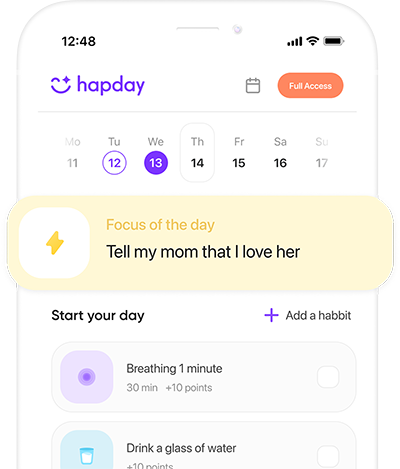
Leverage AI Life Coach apps like Hapday. They don’t just help track moods; they establish habits tailored to individual lives—whether it’s penciling yoga daily or monitoring Tai Chi steps.
Combining Movement with Mindfulness
Movement plus mindfulness? Now that’s power! Mindfulness—be it breath focus or feeling the moment during movement—boosts the whole experience. As Jessie saw with her yoga practice, mindfulness expanded her awareness, helping keep stress at a safe distance.
Conclusion: Cultivating a Mindful Movement Practice
Finally, managing stress through movement is an exploration—figuring out what resonates for you, weaving it into the fabric of life. Be it Tai Chi’s elegance, dance’s liberation, walking’s meditative grace, or yoga’s balance—these practices illuminate the path to peace.
With strategies in place, don’t go it alone. Hapday, the AI coach trusted by millions, can be your ally—helping you lock in habits that stick through bespoke stress and mindfulness programs.
This journey is yours—so take the step. Movement might just be the secret to alchemizing stress into serenity.
Key Takeaways
- Movement techniques such as yoga, Tai Chi, and dance combat stress effectively.
- Incorporating mindful movement into daily routines enhances mental well-being.
- Consistency in movement helps manage stress hormones and improve overall health.
- AI tools can assist in tracking and establishing healthy movement habits.
The Bottom Line
Integrating movement into your daily life is not just beneficial for physical health, but it also provides a powerful tool for managing stress. Finding the right form of movement—whether through yoga, Tai Chi, dancing, or even walking—can lead to a more balanced and peaceful life. Embrace these practices to transform stress into serenity.
References
- Harvard University. (n.d.). Depression and exercise.
- National Institutes of Health. (n.d.). Yoga: What You Need To Know.
- Mayo Clinic. (n.d.). Tai Chi: A gentle way to fight stress.
- American Heart Association. (n.d.). Walking is a simple, effective way to manage stress and strengthen your heart.
- American Journal of Dance Therapy. (n.d.). The effects of dance on mental well-being.