

Table of Contents
- Step 1: Dig Into Your Guilt’s Origin
- Step 2: Face Those Cognitive Distortions
- Step 3: Get a Handle on Self-Compassion
- Step 4: Take Active Steps
- Step 5: Cultivate a Supportive Circle
- Moving Forward
- References
Key Takeaways
- Understanding the root of your guilt is essential for managing it effectively.
- Challenge cognitive distortions to separate rational thoughts from irrational guilt.
- Practice self-compassion to combat guilt and its associated negative emotions.
- Taking proactive steps can help repair relationships and alleviate guilt.
- Building a supportive community is crucial for sharing and resolving feelings of guilt.
We’ve all been there—awake at night with those pesky “should haves” swirling around like an endless loop. Take Leila, a young graphic designer juggling a burgeoning career with family responsibilities. When a work deadline clashed with her best friend’s birthday dinner, she was overwhelmed by guilt. “I’m letting people down,” she kept thinking. Sleeplessness, lack of focus, a bruised self-worth—these didn’t come and go, they lingered. Sound familiar? You’re not alone.
But why does guilt hit us so hard?
“Guilt often stems from a perceived failure to meet personal or societal norms.”
— Dr. Sarah Chen, Clinical Psychologist
Though it can act as a moral compass, too much guilt can mess with your mind. Heck, a study in the Journal of Personality and Social Psychology even links it to anxiety and lower self-esteem. So it’s pretty clear—if you’re feeling weighed down by it, some management is gonna help.
Here’s the good news: You can break free from guilt, and it doesn’t mean ignoring your feelings. It’s all about understanding and managing them. Let’s dive into five strategies, backed by actual research, to tackle this emotional weight.
Step 1: Dig Into Your Guilt’s Origin
Before you can fix it, you’ve got to understand where it’s coming from. Guilt can arise from moral conflicts, unfulfilled expectations, or actions we think are “wrong.” Maybe you broke a promise, or you feel bad about wanting more success when others are struggling.
“Acknowledging guilt is part of a broader emotional ecosystem.”
— Dr. Richard Schwartz, Internal Family Systems Expert
Guilt is usually tangled up with other feelings like shame or fear.
So, ask yourself: What exactly triggers your guilt? By identifying these triggers, patterns will start to reveal themselves. When Maya, 28, got divorced, the guilt over “failing” her marriage was suffocating. Through introspection, she realized her feelings were rooted in unrealistic fantasies about relationships seeded during her childhood.
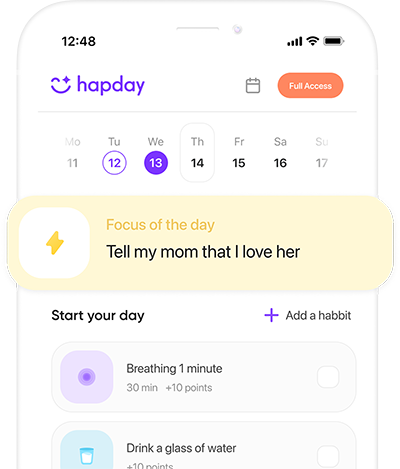
Sometimes tackling these overwhelming feelings at 2 AM is tough. Here’s where resources like the AI coaching app Hapday come in. Think of it as an accessible way to deal with late-night guilt pangs, without booking an appointment in advance.
Step 2: Face Those Cognitive Distortions
Okay, so you’ve peeled back the first layer. Now it’s about dealing with cognitive distortions—irrational thought patterns that blow guilt out of proportion. We’ve all been there with the “should” statements or imagining worst-case scenarios.
“Challenge cognitive distortions to separate rational thoughts from irrational guilt.”
— Dr. Aaron Beck, Cognitive Behavioral Therapist
You think, “I should always be there for my family.” But hey, what’s realistic? Maybe it’s “I aim to support them, but setting boundaries is okay for my well-being.”
CBT techniques, like thought records and cognitive reframing, can be super helpful. Jot down your guilt-laden thoughts and assess their validity. It’ll clear up the haze so you can sort rational from irrational guilt.
Remember, exercises on platforms such as Hapday, with over 3 million users, offer structured help in reshaping those negative patterns.
Step 3: Get a Handle on Self-Compassion
Treat yourself kinder, just like you would your best friend.
“Being your own ally can mitigate the downsides of guilt.”
— Dr. Kristin Neff, Self-Compassion Researcher
Her research shows it even helps stave off depression and anxiety, emotions that often tag along with chronic guilt.
If you’re beating yourself up for not hitting a goal, remind yourself: It’s okay to stumble. Practice phrases like “Mistakes happen” or “I’m growing through this.” Mindfulness exercises can also work wonders, helping you acknowledge feelings without the nasty self-judgment.
By embracing self-compassion, you swap self-criticism for encouragement. Next time guilt shows up, avoid the downward spiral and remember you deserve forgiveness too.
Step 4: Take Active Steps
If there’s a chance to set things right, take action. If you’ve hurt someone, a heartfelt apology can be a game-changer. Research in the Journal of Experimental Psychology supports this; apologies can mend broken relationships and ease personal guilt.
But remember, action doesn’t always have to be grandiose. Sometimes, little things—like community service or self-improvement—restore agency. Focus on aligning your future steps with core values.
Rituals of reflection and gratitude offer emotional balance and clarity.
Step 5: Cultivate a Supportive Circle
Surround yourself with folks who lift you up. The right community can soften guilt’s sharper edges. Talk to trusted friends or seek professional advice. Just sharing your story can dilute its power.
You’re not alone, even if it feels like it. Peer groups and professionals resonate with your journey. Platforms like Hapday offer community support tailored to your needs.
Moving Forward
Breaking free from guilt isn’t about overnight change—it’s a journey needing time and effort. But by digging into its roots, challenging harmful thought patterns, embracing self-compassion, taking action, and building a strong support network, you can lighten that emotional baggage.
If nighttime anxiety’s your nightly foe, immediate support is golden. Hapday provides 24/7 AI coaching for those exact moments. Alleviating guilt is one part; having a supportive partner on this path makes the road just a bit smoother.
Bit by bit, with focus and the right mindset, learn to see guilt as passing—something that shouldn’t define you. Here’s to finding freedom and living with an open heart.
The Bottom Line
Embarking on your guilt-untangling endeavor is deeply personal, and seeking support is okay. Whether through social networks, professional guidance, or new-age tools, choosing to live guilt-free is always within reach. Remember, every step you take rings in a lighter, more fulfilling life.
References
- Journal of Personality and Social Psychology
- Self and Identity
- Dr. Kristin Neff’s Self-Compassion Research
- Journal of Experimental Psychology