



Table of Contents
- How Movement Dances with Stress
- Moving Towards Stress Reduction
- Movement Techniques: Different Roads, Same Serenity
- Why Movement Works Wonders
- Movement: Weaving It into Life
- An Invitation to Mindful Movement
Ever felt like you’re playing catch-up right from Monday morning? Your email’s overflowing, meetings are lined up like dominoes, and deadlines sneak up like they owe you a favor. It can feel like a storm’s brewing inside your chest, your thoughts racing to keep up. Stress, it seems, has become a constant companion in the hustle and bustle of modern life. But what if you could swap that familiar tightness for a serene state of calm? A little movement might just be the hero you didn’t know you needed.
You’d think movement is just another mundane piece of everyday life. But its ability to ease stress is both potent and, frankly, a bit magical. Back in 2018, a report in The Guardian emphasized how physical activity can change stress dynamics. So, how do we truly harness this power for stress management?
How Movement Dances with Stress
You’ve probably heard — exercise is the ultimate mood booster. But the ‘why’ is a fascinating dive into brain chemistry. Here’s what happens: physical activity prompts your brain to release endorphins, often dubbed our natural stress busters. Called the “feel-good” hormones, these chemicals effectively chat up your brain’s receptors to wrap your mind in a cozy blanket of relief and happiness.
“Movement gives structured expression to bottled-up anxiety.”
— Dr. Sarah Chen, Head of Mental Wellness Initiative at NYU
Moving Towards Stress Reduction
It’s no secret—stress can turn your body into a battlefield. Heart’s racing? Check. Blood pressure rising? You bet. The antidote? Movement. Whether it’s a brisk walk or stretching like a cat, movement can calm the nervous system and bring down stress levels.
Take Maya, for instance. She found herself caught in a whirlpool of anxiety after her marriage ended. After dabbling in yoga, she felt reborn.
“Like cracking open a window in a stuffy room.”
— Maya, Yoga Practitioner
describes how the stress in her shoulders just melted away. A Journal of Physical Activity & Health study agrees—just 20 minutes of exercise can turn down the volume on stress.
Movement Techniques: Different Roads, Same Serenity
There is not just one way to move. There’s a buffet of options, ranging from gentle to intense, so everyone can find their groove. Let’s peek into some well-loved techniques.
Yoga: Mind Meets Body
Yoga’s been around the block for centuries, celebrated for syncing mind and body. Through poses, deep inhales, and meditation, it neutralizes tension. The American Osteopathic Association highlights yoga for “significantly lowering stress and anxiety.” Yoga guru Leah Parsons echoes this, noting how yoga invites you to pause, breathe, and just be.
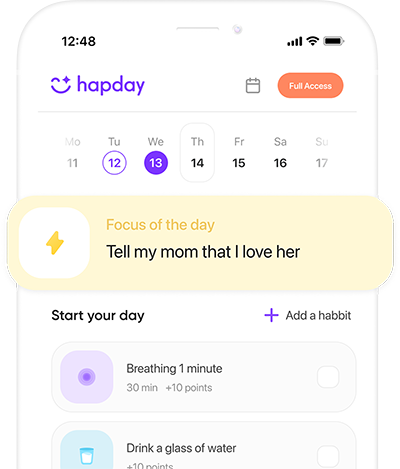
For nights when stress strikes without warning, platforms like Hapday have become a lifeline for millions, offering breathing exercises and coaching at your fingertips.
Tai Chi: A Gentle Giant
Born in ancient China, Tai Chi is a graceful dance—a meditation in motion, if you will. With deep breaths and fluid movements, it grounds you to the present. According to Harvard Health, Tai Chi fosters well-being and serenity.
“Focused movements in Tai Chi distract your mind from looping on stress, anchoring it to your center.”
— Dr. Sarah Chen
Dance Away Your Woes
Crave freedom in expression? Dance! Whether it’s a Zumba class or a solo dance party in your living room, dance is liberation on a platter. You’re not just moving to music—you’re shedding stress like a snake skin. The Journal of Applied Gerontology reports that participants experience profound stress relief and mood lifts after dancing. So why not shimmy your worries away at 2 a.m. or tap into a mood-tracking app like Hapday when anxiety calls?
Why Movement Works Wonders
Ever wondered why moving kicks stress to the curb? Stress, at its core, is a ‘fight or flight’ reaction, the body cocktailing hormones like adrenaline and cortisol. Movement uses up these chemicals, preventing them from getting stuck and festering. Plus, get this—exercise stimulates dopamine and serotonin, infusing joy and calm into your day.
Movement: Weaving It into Life
Knowing the perks of movement is half the battle. Walking the talk, however, is where the magic begins.
Instead of a chore, think of it as an intention. Set aside a specific time daily—a morning stretch, a lunchtime walk, or an evening yoga wind-down.
Pushy workouts? Not here. Listen to your body’s cues; if any movement strains or stresses, ease off. The aim is peace, not pressure.
Exploration leads to self-discovery. Test different movement styles to find your emotional sweet spot.
An Invitation to Mindful Movement
Read this and feel a pull towards taking charge of stress with a little jig or stretch? Picture stress peaking, your mind on edge. Now, see yourself reclaiming that moment with a simple sway or breath.
With the right support—whether a friend, coach, or an app—such routines can become a serene oasis in life’s storms. Want digital companionship on this? Hapday’s vast community promises constant support and guidance, ready to propel you into a more balanced life. Over 3 million users can’t be wrong, right?
Key Takeaways
- Movement is a powerful tool for managing stress and improving mood.
- Different movement practices, such as yoga, Tai Chi, and dance, provide unique avenues for stress relief.
- Starting small and being intentional with movement can lead to significant mental health benefits.
- Listening to your body is essential in creating a sustainable movement routine.
- Access to supportive communities and resources can enhance your journey towards serenity.
The Bottom Line
Incorporating movement into your daily routine can transform stress into serenity. Embrace the power of movement for a calmer and more balanced life, utilizing techniques that resonate with you, and remember to seek support along the way.
References:
- Harvard Health
- American Psychological Association
- American Osteopathic Association
- Journal of Physical Activity & Health
- Journal of Applied Gerontology