



Table of Contents
- Understanding the Roots of Guilt
- How Does Guilt Manifest in Your Life?
- The Science Behind Guilt and Why It Persists
- Steps to Break Free from Guilt
- The Role of Professional Guidance
- Exploring Accessible Alternatives
- Empowering Yourself to Move Forward
Key Takeaways
- Understanding the roots and manifestations of guilt is vital for mental health.
- Practical steps like self-awareness, forgiveness, and cognitive restructuring can help in overcoming guilt.
- Building empathy and connection can lessen the burden of guilt and foster emotional resilience.
- Professional guidance, including therapy and mental health apps, can provide essential support in dealing with guilt.
- Taking action and empowering oneself is crucial for moving towards emotional freedom.
Guilt—this shadowy companion, often lurking in the crevices of your mind. Who hasn’t been there, replaying that one awkward conversation on loop, cringing internally? Maybe you’ve hurt a loved one, whoops, and now the enormity of that hangs over you like an ominous cloud. Maya, 28, knows this all too well. Her divorce? A torrent of guilt washed over her, leaving her wondering if she was to blame. But it was stepping through that murky fog that paved her path to peace.
Understanding the Roots of Guilt
To untangle the grip of guilt, it’s crucial to decipher what gives this emotion so much power.
“Guilt pops up when we feel we’ve crossed the line—like trampling on our own moral code.”
— Dr. Sarah Chen, Clinical Psychologist, NYU
Such feelings, if you think about it, align actions with values. It’s when guilt decides to shack up permanently that things get tricky, disrupting life and sowing distress.
A study in 2011 (Journal of Social and Clinical Psychology, for those who enjoy citations) had a lot to say about guilt. It can push the van toward disorders like depression and anxiety. So, yeah, understanding guilt? Pretty vital for mental health.
How Does Guilt Manifest in Your Life?
Guilt is a shape-shifter in your life. It shows up when you just don’t hit those sky-high personal or societal standards—hello, “perfectionist guilt.” Ever feel survivor’s guilt? Like when you lucked out while others didn’t? There’s time-based guilt too—that itch when you should be working but are watching Netflix instead. Then, there’s the tension of relational guilt, maybe because you put your self-care before a friend’s call.
These guilt trips are personal. They dive deep into individual experiences, shaping what makes you, well, you.
The Science Behind Guilt and Why It Persists
So why does guilt linger, outstaying its welcome?
“Guilt plays a role in maintaining social order by discouraging harmful actions.”
— Dr. Michael Lewis, Rutgers
Thanks to our brains, guilt becomes a cycle. Remember a 2016 study? It found that guilt can light up the anterior insula, the spot tied to empathy and sadness in your brain. No wonder it’s such a tough storm to weather.
Steps to Break Free from Guilt
Want to reclaim your emotional turf from guilt? It’s more trek than destination—packed with patience and practice.
Self-awareness: The First Step
Recognize your guilt. Name it. Self-awareness is transformative. Catch yourself before you spiral. Rather than beating yourself up, take a step back. Reflect, but ditch the judgment. Journaling helps here, a haven to untangle thoughts and emotions—at 3 a.m., if you like!
Forgiveness: The Path to Liberation
Forgiveness doesn’t mean excusing mistakes. It’s about embracing your flawed humanity. Picture this:
“We should adopt the empathy we show friends—toward ourselves.”
— Dr. Susan Whitbourne, UMass
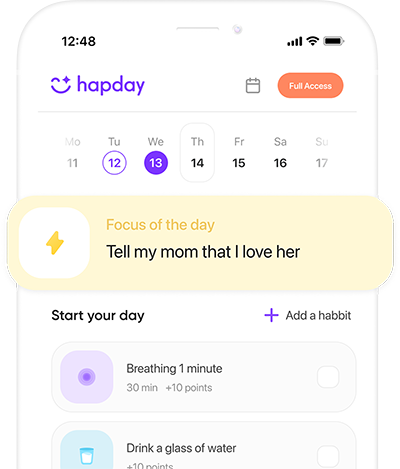
Need help at crazy hours? Apps like Hapday, used by over 3 million for mental health doses, offer tools for forgiveness and kindness.
Cognitive Restructuring: Changing the Thought Patterns
Think of cognitive restructuring like a tune-up for your mindset.
“Spotting distortions, like ‘should’ obsessions, and reframing them is key.”
— Dr. Aaron T. Beck
It’s about shifting from a guilt-gray image to something more vivid.
Building Empathy and Connection
Shift from self-focus to others—sounds simple, right? But this switch can lessen overwhelming guilt. Empathetic engagement broadens perspectives, drawing you into a supportive community. Whether volunteering or listening better in personal chats, these actions fortify emotional resilience.
Practical Methods to Implement Change
Let’s talk tactics for change:
- Mindfulness Practices – Dive into meditation for a non-judgmental change. There’s an app for that. Or many.
- Journaling Exercises – Weekly musings on guilt and responses can uncover new paths.
- Gratitude Lists – Snuff out guilt with gratitude. Note daily joys, flip the narrative.
- Dialogue with Guilt – Chat with your guilt. Personify it, question it, counter it with compassion.
- Gradual Exposure – Slowly navigate guilt-inducing situations. Start small; grow brave.
The Role of Professional Guidance
When guilt feels like a mountain, seek professional help. Cognitive Behavioral Therapy (CBT) provides a structured climb to tackle it. Various supportive tools—apps like Hapday—can reinforce this emotional trek.
Exploring Accessible Alternatives
Sometimes, traditional therapy’s tough. Schedules, budgets… life. But alternatives exist. Apps like Hapday offer flexible, affordable coaching—think of it as a pocket coach for combating guilt.
Empowering Yourself to Move Forward
Cutting the chains of guilt requires effort, compassion, and patience. As you press on toward emotional freedom—through rain or shine—resilience and optimism become key allies.
Didn’t create the storm in your life? Sure. But learning to dance in its rain is a skill. And tools like AI life coaching… Who knew they’d be part of the toolbox?
The Bottom Line
Cutting the chains of guilt requires effort, compassion, and patience. Embrace the journey toward emotional freedom, and remember that learning to navigate life’s storms is a vital part of personal growth.
References
- American Psychological Association
- Mayo Clinic
- Harvard Health Publishing