



Table of Contents
- Understanding the Impact of Childhood Trauma
- Taking the First Step Towards Recovery
- The Role of Community and Support Systems
- Self-Help and Mindfulness Practices
- The Importance of Patience in the Healing Process
- Embracing a Renewed Self
- Specialized Programs and Continuous Learning
- Moving Forward with Courage
- References
Key Takeaways
- Childhood trauma can deeply impact adult life, affecting relationships and self-worth.
- Professional therapy is crucial, and tools like CBT and EMDR show promise in tackling trauma.
- Community support and shared experiences foster healing and rebuild trust.
- Incorporating mindfulness and self-help practices can facilitate everyday recovery.
- Patience is essential in the healing journey; progress is often non-linear.
There’s nothing quite like the surprise of finding an old family photo in the most unexpected place. You sit there, wrapped in your favorite blanket, surrounded by a quiet evening, when a picture of you as a child tumbles out from a pile of letters. You—a wide-eyed, hopeful child—unaware of the shadows that would continue to hover. That single image catapults you into a world you believed was left far behind. It’s a reality many know too well: how childhood trauma can puncture even the simplest moments in adult life. Been there? You’re definitely not alone.
Childhood trauma is a silent architect of our emotional and mental framework—shaping everything from our relationships to our self-worth. According to that study you might’ve heard about from the National Institute of Mental Health, more than 60% of adults underwent abuse or challenging family situations as kids. Can you imagine? These aren’t just numbers on a page; they represent the ongoing odyssey through anxiety, depression, and struggles with forming healthy bonds.
Understanding the Impact of Childhood Trauma
Take Maya, for example. At 28, she found herself facing a divorce and unearthing long-buried beliefs of unworthiness—beliefs that took root in her stormy childhood.
“Come to grasp that those early experiences weren’t your fault. That’s your first key in rewiring the internal narrative.”
— Dr. David Bennett, Specialist in Trauma Recovery
So, what exactly is childhood trauma? The American Psychological Association calls it an emotionally distressful event overwhelming one’s ability to cope. This doesn’t paint the whole picture. It’s those moments of neglect or abuse, the loss of a caregiver, or even witnessing trauma, that sets off long-lasting ripples. The aftermath? A potential life tangled with mental health hurdles like PTSD, low self-esteem, and social unease.
Here’s the kicker: our brains, in a protective dance, sometimes don’t forget. That little structure called the amygdala—the brain’s fear center—flares up, triggering a flight or fight when it senses danger. If the trauma persists, well, let’s just say that amygdala doesn’t exactly clock out—leading to years of hypervigilance and emotional upheaval.
Taking the First Step Towards Recovery
Stepping into the daunting arena of childhood trauma healing involves a heavy dose of courage. Acceptance and acknowledgment stand as the initial, yet pivotal, leap. But how do you embark on such a formidable journey? That’s where professional therapy steps in like an anchor in a storm. CBT and EMDR therapies? They’ve been showing promising outcomes for tackling trauma. Their magic? They help reframe those looping negative thoughts and take the sting out of traumatic recollections.
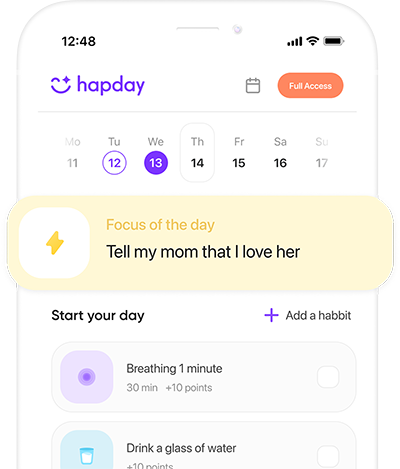
In today’s always-on world, apps like Hapday are turning heads. With more than 3 million people swearing by it, this platform provides round-the-clock psychological tools, mood tracking, and even AI life coaching seshes. Imagine it’s the dead of night, and intrusive thoughts won’t let you sleep. Hapday lets you wrestle them without waiting for daylight.
The Role of Community and Support Systems
Reaching out for connection during recovery—it’s not just an option; it’s essential. Friends, family, and support groups form a web of support that can transform solitary struggle into a shared voyage. There’s power in knowing you’re not in this alone.
Support groups offer solace. Sharing stories, hearing and being heard, bears a validation that’s as crucial as air. Group therapy’s been touted by the pros for a reason—it’s a balm for judgment-free sharing.
“Rebuilding trust in others is often the cornerstone of healing.”
— Dr. Emily Lawson, Researcher
Self-Help and Mindfulness Practices
Therapy is critical, but weaving self-help practices into your days? That’s how you seal the deal. Mindfulness, journaling, and moving your body hold significant sway over traumatic symptoms.
- Mindfulness: It’s about staying present and observing thoughts with curiosity rather than judgment. It tamps down that overactive amygdala, helping you breathe deeper.
- Journaling: It’s more than just writing—it’s laying your heart bare on paper. Just 15 minutes a day? It’s cathartic cleansing.
- Exercise: Movement shifts the mood with feel-good endorphins. Be it yoga, running, or lifting weights—physical activity’s your ally in building not just muscles but mental fortitude too.
The Importance of Patience in the Healing Process
Patience, dear reader, is both a challenge and a gift. There’s no handbook on how swiftly healing ought to unfold. It can be excruciatingly slow. Yet, it’s vital to grasp that progress isn’t a linear path.
When your resolve falters, remember, tools like Hapday are there to keep you anchored. They bolster your journey with programs springing up like lifesavers in the sea of stress.
Embracing a Renewed Self
Picture yourself atop a mountain, the breeze kissing your skin as you survey the horizon—unshackled from past pain. That’s the liberation awaiting beyond trauma’s shadow.
As strategies unfold, you’ll gradually shed the invisible weights, stepping into a version of yourself that’s long overdue. It might breathe life into lost creativity, spark new pursuits, or veer you toward paths—aligned closer with your true essence.
Specialized Programs and Continuous Learning
Deepening your trauma knowledge isn’t just empowerment; it’s an intricate part of your healing odyssey. Dive into trauma literature, listen to enlightening podcasts, take part in engaging workshops—each offering insights and forward momentum.
Find your niche or an approach that resonates. Be it Nonviolent Communication techniques, art therapy, or somatic therapies—diverse avenues enrich the horizon of recovery.
Moving Forward with Courage
Sitting back and reflecting on this intense yet rewarding journey, never forget to acknowledge the sheer bravery it demands. Facing the past is daunting, yet hankering for a brighter tomorrow? That’s your revolution.
Healing from childhood trauma? Achievable and closer than you think. If continuous encouragement is what you seek, platforms like Hapday can seamlessly embellish your path with tailored programs to foster strength and serenity.
With vulnerability and valiant steps ahead—and a community at your back—you can truly unbind yourself from the chains holding you back. Fulfillment, peace, and authenticity await.
The Bottom Line
Healing from childhood trauma is a journey marked by courage, support, and self-discovery. Embrace professional help, tap into community resources, and integrate self-help practices for a renewed life ahead. You are not alone, and the road to recovery is within reach.
References
- National Institute of Mental Health – niMH.gov
- American Psychological Association – apa.org
- Mayo Clinic – mayoclinic.org
- Harvard University – harvard.edu