


Table of Contents
- The Science Behind Movement and Stress
- Techniques to Incorporate Movement for Stress Relief
- How to Integrate Movement-Based Stress Relief into Your Life
- Embrace Movement for Mental Clarity
- Creative Expression Through Movement
- Leverage the Power of Nature Paired with Movement
- Living a Life with Reduced Stress through Movement
- References
Imagine yourself standing on the edge of a field at dusk. The sun dips below the horizon, brushing the sky with purples and reds. The day’s weight clings to your shoulders, but as you start swaying—moving to your natural rhythm—the stress begins to dissipate. Movement, the simplest of actions, can transform not only our bodies but our minds as well.
For a lot of us, stress is more than an occasional nuisance; it’s a constant companion. The American Psychological Association once revealed that around 75% of adults consistently grapple with moderate to high levels of stress. Our ancestors tackled stress head-on with either fight or flight. But modern life? It’s a bit different. Escape from daily concerns isn’t as physical—no more running from wild beasts. So, how do we adapt? Movement holds the key.
The Science Behind Movement and Stress
“Movement kicks up those endorphins, nature’s very own stress busters.”
— Dr. Jessica Matthews, Point Loma Nazarene University
These endorphins are those magical things that leave us feeling incredible.
But endorphins aren’t the whole story. Regular physical activity ramps up neurotransmitters like norepinephrine and serotonin, crucial for mood and stress regulation. Plus, movement influences the hypothalamic-pituitary-adrenal (HPA) axis, central to our stress response. Engaging in physical activities can help stabilize this axis, moderating chronic stress.
Techniques to Incorporate Movement for Stress Relief
Now, let’s shift from the why to the how. Integrating movement into your life doesn’t have to be about punishing workouts or relentless gym schedules. Movement is flexible—it’s about finding what works for you.
- Mindful Walking
Walking is something we do every day, isn’t it? Turn it into a mindful activity, and you can greatly reduce stress. Mindful walking is about tuning in to the experience: the feel of your feet on the ground, your muscles shifting, your breath’s rhythm. This kind of focus brings you back to the ‘now’, away from stress-laden thoughts. - Dance and Creative Movement
Consider Maya. At 28, her divorce was devastating, but she found some peace in dance. It wasn’t about nailing the perfect moves, but feeling and expressing herself. Dancing marries physical movement with emotional release. According to The Arts in Psychotherapy, people engaging in dance noticed less tension and better moods. - Yoga and Stretching
Yoga—rooted in tradition, emphasizing a mind-body connection—can lower levels of cortisol, the stress hormone. The NIH found regular yoga practice trims stress and anxiety levels. Stretching shares this benefit as well. Focus on your breath and stretches… you’re nudging your brain towards relaxation. - Tai Chi and Qigong
These ancient Chinese practices blend slow movements, meditation, and deep breathing, enhancing balance, flexibility, and relaxation. Harvard’s findings suggested tai chi and qigong can significantly reduce stress, anxiety, and even depression. Focusing on these gentle, flowing movements pulls your mind from stress to the present moment.
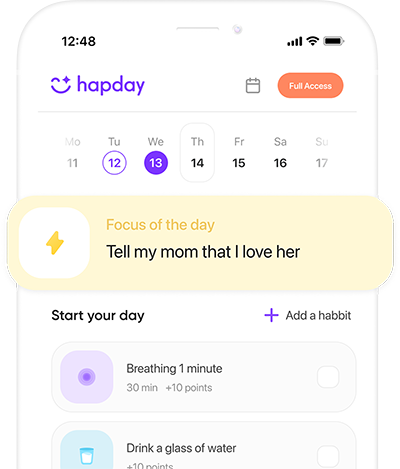
These techniques, from yoga to Tai Chi, maybe even meditation apps like Hapday, offer a simple route to stress management.
How to Integrate Movement-Based Stress Relief into Your Life
Knowledge of the techniques is one thing, but integrating them into our bustling lives? Another challenge altogether.
Key Takeaways
- Movement stimulates endorphins, enhancing mood and reducing stress.
- Simple activities like walking, dancing, and yoga can effectively alleviate stress.
- Creating community and routine around movement helps in better incorporation of stress-relief practices.
- Start Small
Begin with a brief practice—say 10 minutes. Be it a lunch stroll, a morning stretch, or an impromptu living room dance break. Starting small makes it easier to stick with. - Make it Routine
Like any habit, consistency breeds familiarity. Carve out a daily time slot for movement. Soon, it’s a part of your day you can’t skip. - Engage Mindfully
Mindfulness is at the heart of stress management through movement. Whether it’s a walk, dance, or yoga, being present enhances the calming effects. Focus on your breath, body sensations, and the movement. - Find Your Community
A community can fuel your dedication and make movement more rewarding. Join a local class, an online group, or a movement challenge. Shared experiences ramp up motivation—and crush isolation.
Platforms like Hapday, with over 3 million users, could offer you that virtual community and keep you on track.
Embrace Movement for Mental Clarity
Switch gears to see why movement sharpens mental clarity, not merely reduces stress. Movement boosts blood flow to the brain, sharpening focus, memory, and cognitive function. The surge of endorphins and neurotransmitters leads to emotional balance, fostering clarity and ease of thought.
Imagine breaking free from a mental block after hours of work. A brief movement break? Your energy and focus get a fresh jolt, slicing through the fog.
Creative Expression Through Movement
Creative movements—dance, freestyle yoga—not only free emotions but stimulate brain activity tied to creativity. Dancing builds new brain pathways, supporting creative thought. Dr. Anne Green Gilbert, in “Brain-Compatible Dance Education,” notes creative movement fosters cognitive skills, emotional insight, and social roles.
Incorporating movement as both a stress-relief tool and creativity enhancer shifts your focus away from anxiety into constructive problem-solving.
Leverage the Power of Nature Paired with Movement
Think about starting your yoga in a park. Sunshine kisses your skin, leaves whisper around you… Nature paired with movement adds another layer to stress relief—lifting spirits even more. Ecotherapy—the practice of being in nature—has incredible mood-lifting power.
Per Environmental Health and Preventive Medicine’s journal, time in the woods significantly slashes cortisol, and reduces stress. Mix this natural therapy with movement, and watch benefits amplify.
Living a Life with Reduced Stress through Movement
Embracing movement transcends temporary stress relief; it’s crafting a lifestyle that values physical activity for mental health. Weaving these techniques into your daily life builds resilience, steadies your mood, and overall improves quality of life.
Feeling daunted on where to begin? Even a slight movement boost can make a huge difference. Whether it’s enrolling in a dance class, mindful jaunting, or clocking regular stretch breaks at work, these moves put your mental health in motion.
If starting feels overwhelming, consider tech helpers like Hapday.
Accessible any time, it helps manage stress in the moment and forge better habits for daily wellness. Take those initial steps—or dances—toward a less stressed and more joyful life.
References
- American Psychological Association – Details on stress levels from a 2019 study.
- Journal of Clinical Psychology, study on exercise and mood.
- NIH research stressing yoga’s impact on stress.
- Harvard Medical School’s Tai Chi findings.
- Forest therapy research from Environmental Health and Preventive Medicine.
- Stress’s interplay with dance as studied in The Arts in Psychotherapy.
The Bottom Line
Incorporating movement into your daily routine isn’t just a way to alleviate stress; it’s a pathway to greater mental clarity, emotional balance, and an overall healthier lifestyle. By starting small and making movement a regular part of your life, you can cultivate resilience and enhance your well-being.