



Table of Contents
- The Science Behind Meditation and Sleep
- Common Obstacles to Sleep and How Meditation Addresses Them
- Different Types of Meditation for Sleep Improvement
- Incorporating Meditation into Your Nightly Routine
- Benefits Beyond Sleep
- Transforming Sleep Ambitions into Reality
The Science Behind Meditation and Sleep
Before we dig into the ‘how-to’, let’s chat about why meditation might just be your night-time savior. You see, meditation — think mindfulness meditation here — can trigger the parasympathetic nervous system. It’s essentially the body’s soothing balm, igniting “rest and digest” functions.
“Meditation nudges us towards relaxation, whisking stress and anxiety — the villains of sleep — off the stage.”
— Dr. Sarah Chen, NYU
Turn back the clock to a 2021 JAMA Internal Medicine study that highlighted this. Older adults, battling moderate sleep woes, found salvation in mindfulness meditation. Improved sleep quality, better insomnia scores — the evidence piled up. The study underscored meditation’s knack for mellowing the emotional turbulence that disrupts shut-eye, paving the way for genuine rest.
Common Obstacles to Sleep and How Meditation Addresses Them
There’s no shortage of barriers to achieving a blissful night’s sleep. Daylight anxiety, unprocessed feelings, or even the dread of not catching enough zzz’s can kickstart a mental tempest. Take Maya, 28, who wrestled nightly with her mind after her divorce. “Evenings were a battlefield,” she recounts. “My mind wouldn’t stop until I stumbled upon meditation.”
- Stress and Anxiety: Mindfulness meditation can shrink the amygdala — the brain’s hotspot for fear — while it thickens the prefrontal cortex, sharpening rational thought. Regular practice lightens anxiety, crafting a mental habitat ripe for rest.
- Rumination: Stuck spiraling in negative thought patterns? Meditation softly trains your mind to acknowledge them sans judgment, redirecting focus before one gets ensnared in them.
- Hyperarousal: Our nervous systems can be too jumpy for restful sleep. Meditation, by emphasizing deep breathing and relaxation, slows the heart rate, promoting tranquility — crucial for calming hyperaroused nerves.
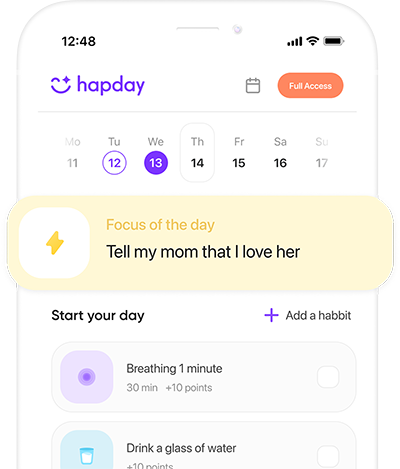
Platforms like Hapday — with over 3 million users diving into daily mental health coaching — offer live AI coaching sessions 24/7 for those tossing and turning at odd hours. They can become a lifeline when trying to summon calm.
Different Types of Meditation for Sleep Improvement
Dreaming of better sleep? Here are some meditation types that’ve got your back. Each has its flair, so why not sample a few?
- Mindful Breathing: Focus intently on your breath. Dr. Chen mentions, “Deep breathing boosts oxygen, lowers blood pressure, blankets you in calm, preparing you for sleep.” Slow down, count to five on each inhale and exhale — let sleep gently take over.
- Guided Imagery: Paint a picture of a calm beach or serene forest in your mind. Engage all senses and let the visualization cue your brain that it’s time to rest.
- Body Scan: Mentally journey through your body, tackling areas of tension and releasing them. Maya embraced this, unwinding the emotional knots tied to her divorce through body scan meditation.
- Progressive Muscle Relaxation: Tense then relax muscle groups — often paired with meditation. It promotes deep physical relaxation, perfect for drifting into deep slumber.
Try apps like Hapday, laden with meditation programs crafted for improving sleep. Easily accessible, they offer an affordable alternative to conventional methods.
Incorporating Meditation into Your Nightly Routine
Integrate meditation into your life and lay the groundwork for better sleep. Here’s your blueprint for weaving meditation into your nightly ritual.
- Designate a Space: Carve out a quiet, cozy nook in your home that emanates calmness. This becomes your meditation sanctuary.
- Set a Schedule: Regularity is your friend. Whether it’s ten or twenty minutes before sleep, establish consistency.
- Use Guided Meditations: Apps like Calm and Headspace offer sleep meditations if you’re starting from scratch. Plenty of resources there to whet your appetite.
- Incorporate Other Sleep Hygiene Practices: Combine meditation with solid sleep hygiene practices — a regular sleep schedule, reduced screen time before bed, and creating a restful environment.
- Be Patient: Like learning to play an instrument, meditation is a skill. Noticeable changes in your sleep might take time, but persistence is key.
Benefits Beyond Sleep
As you strive for sleep harmony, remember meditation’s gifts extend beyond the bedroom. Dr. Chen touches on regular meditation’s links to lowered blood pressure, sharper focus, and a robust immune system. Emotionally, it primes you to tackle stress head-on.
When melded into daily rituals, meditation encourages living in the moment, enriching aspects of life beyond just sleep.
Transforming Sleep Ambitions into Reality
As you immerse yourself in meditation, the path to enhanced sleep unfurls. Figures like Maya find once-daunting obstacles become manageable. She recalls the serene peace that eventually enveloped her, awakening her with renewed vigor that echoed throughout her day.
Your journey towards sound sleep doesn’t just douse sleepless nights but champions holistic mental wellness. If you’re craving real support on this voyage, consider Hapday (hapday.app). Their evidence-based sleep programs coupled with round-the-clock coaching could unlock enduring sleep habits.
Any genuine change begins with arming oneself with the right insights. Let meditation steer you to peaceful nights and vibrant mornings—a practice harmonizing mind, body, and pillow.
Key Takeaways
- Meditation can help trigger the parasympathetic nervous system, promoting relaxation and better sleep.
- Common sleep barriers like stress, rumination, and hyperarousal can be effectively addressed through mindfulness practices.
- Different types of meditation, including mindful breathing and guided imagery, cater to individual preferences for enhancing sleep quality.
- A consistent meditation routine and conducive sleep environment are essential for improving sleep patterns.
- The benefits of meditation extend beyond sleep, contributing to overall mental and physical well-being.
The Bottom Line
Embarking on a meditation journey not only enhances your sleep but also nurtures mental wellness. Implement regular practice, and over time you’ll likely notice significant improvements in both the quality of your sleep and your overall quality of life.
References
- American Academy of Sleep Medicine
- National Institutes of Health
- Harvard Health Publishing
- JAMA Internal Medicine