


Imagine it’s a chaotic Tuesday afternoon. You’re neck-deep in deadlines, emails rival the Leaning Tower of Pisa, and your phone’s constant buzzing adds to the mayhem. You pause, take a deep breath, and wonder when you last felt truly at ease. Sound like your daily routine? For many today, managing stress is as regular as their morning latte. But what if the key to stress relief was as straightforward as moving your body? Let’s delve into how movement techniques can be your secret weapon against stress—a path to a calmer, more balanced you.
Table of Contents
- The Science Behind Movement and Stress
- Discovering the Right Movement Method
- Why Movement Techniques Work
- Movement as Meditation
- Tailoring Movement to Your Lifestyle
- Taking the First Step
- Closing Thoughts: Movement Beyond Exercise
- References
Key Takeaways
- Movement is a powerful tool for managing stress, activating endorphins and reducing anxiety.
- Yoga and Tai Chi are effective practices for cultivating relaxation and mental clarity.
- Incorporating movement into daily life doesn’t require intense workouts—simple activities can yield significant benefits.
- Mindful movement acts as a form of meditation, helping to focus the mind and reduce stress.
- Consistency in movement is key to achieving long-lasting stress relief.
The Science Behind Movement and Stress
Take Maya, 28, who faced the immense stress of a tumultuous divorce.
“It felt like I had an elephant parked right on my chest,”
— Maya, Stress Survivor
she says. Relief started when she, almost by chance, joined a local yoga class. That precious hour each week became her sanctuary—a space where stress loosened its iron grip. Maya’s story, paradoxically, isn’t unique. Science underscores the profound effect of movement on stress reduction.
When stress rears its head, the body activates a “fight-or-flight” response, releasing hormones like cortisol and adrenaline. While essential for short-term survival, these can become sinister if they linger too long in your bloodstream. Enter physical activity—the natural antidote.
“Engaging in movement can decrease C-reactive protein levels, a stress-related inflammation marker.”
— Dr. Sarah Chen, Clinical Psychologist
Engaging in exercise releases endorphins—those nifty feel-good hormones. Beyond battling stress, they elevate mood, offering tangible relief. Remember that headline back in 2021 from the Mayo Clinic? They confirmed even a single exercise session can reduce anxiety markedly.
Discovering the Right Movement Method
Now, not all movement is created equal, and finding what truly resonates is crucial. This isn’t just about crushing it at the gym; it’s about exploring a whole spectrum of activities to finesse your stress-handling game.
The Power of Yoga and Tai Chi
Yoga’s age-old practice of combining postures, breathwork, and meditation is famed for stress management. A 2020 study in Frontiers in Psychology saw regular yoga significantly slicing perceived stress.
Then there’s Tai Chi—often coined “meditation in motion.” Think slow, flowing movements that gently whisk away stress and anxiety. The American College of Sports Medicine even highlighted Tai Chi for its mental clarity benefits.
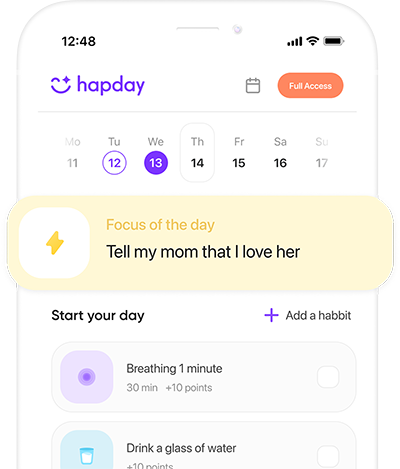
Modern tools deserve a mention, too. AI coaching apps like Hapday offer 24/7 guidance, doling out practices for unexpected stress surges.
Dance: Let Your Body Speak
Ever feel awkwardly uplifted by music and dance? It’s not just about expressive movements—it’s a cardiovascular dance that melts away tension. The Journal of Applied Gerontology even showed regular dancing lowers cortisol levels, yanking down stress.
Take Aisha, a 32-year-old marketing manager. Her weekly dance class?
“Every session’s like dropping a heavy backpack—I walk out, feel light and buoyant.”
— Aisha, Marketing Manager
Why Movement Techniques Work
But how does all this magic truly unfold? How on earth, just moving my body helps my mind? The positive psychological impact of movement as a stress reliever is well-founded.
Physiology Meets Philosophy
Movement triggers neurotransmitters like dopamine and serotonin, vital for mood regulation. Exercise ramps up neurotrophic factors—proteins essential for neuron growth and resilience, aka your brain’s robust defense against stressors.
According to Dr. Lisa Matthews, a Stanford neuroscientist,
“Physical movement and brain health are inextricably linked. Regular activity reshapes both muscles and minds, building stressor resistance.”
— Dr. Lisa Matthews, Neuroscientist
Plus, movement forms a “meditative escape,” akin to mindfulness practices. Focusing on tactile sensations, or rhythmic patterns, helps divert distressing thoughts—halting rumination cycles that feed stress.
Movement as Meditation
Picture returning home after a rough day and instead of sinking into the couch, you lace up and head out for a brisk walk. This simple act morphs into meditation on the move—a chance to retreat from mental chaos.
A Harvard University study likened walking’s meditative benefits to seated meditation, showing mood lifts and anxiety declines. The kicker? That rhythmic motion centers your mind.
Platforms like Hapday showcase this by offering guided walks mixed with grounding exercises.
Tailoring Movement to Your Lifestyle
Think sweating it out for hours is mandatory? Not true. Movement can slip into daily life seamlessly. Here’s how:
Integrate Movement Into Daily Routines
- Stairway to Fitness: Classic, but gold. Each step matters.
- Workday Stretches: Set stretch reminders; refresh the mind, boost circulation.
- Active Commutes: Walk or cycle if possible, even just a bit.
Setting Intentional Movement Breaks
Transform stagnant breaks. Mini dance-offs or quick office routines invigorate the mind.
Lauren, a primary school teacher, thrives on her morning stretches:
“Setting my day starts with ten minutes of pure focus—ensures stress stays at bay.”
— Lauren, Primary School Teacher
For structure, apps like Hapday provide personalized, less overwhelming movement programs.
Taking the First Step
Embrace simplicity. Pick an appealing activity—whether yoga, cycling, or a simple evening walk. The essence lies in consistency, understanding that progress isn’t just about sweat or miles, but that subtle mental shift.
Closing Thoughts: Movement Beyond Exercise
Movement transcends mere physical exertion—it’s a holistic strategy for mental and emotional nurturing. When confronting stress, opting to move is an act of self-love. If this resonates and you’re seeking guidance, Hapday’s AI coach offers adaptive, evidence-driven strategies blending movement into your stress toolkit.
Taming stress through movement is best supported. If stepping onto this de-stress path appeals, Hapday (hapday.app) serves as a community for millions, offering 24/7 movement-infused coaching.
References
- Harvard Health Publishing
- Mayo Clinic
- American Psychological Association
- National Center for Biotechnology Information
- Journal of Applied Gerontology
The Bottom Line
Movement is not just a means of physical exercise but a comprehensive approach to enhancing mental and emotional wellness. Embracing movement as a regular part of your life empowers you to confront stress with resilience and grace. Start small, and watch how these incremental changes can transform your overall well-being.