



Imagine this: it’s a chilly autumn morning. As you stroll through the park, leaves crunch beneath your boots, and the crisp air invigorates every breath. With each step, stress seems to peel away, like the leaves scattering behind you. This isn’t just poetic imagery. It’s the magic of movement.
Table of Contents
- Understanding Stress and Its Impact on the Body
- The Science Behind Movement as a Stress Reliever
- The Mind-Body Connection in Movement Practices
- Incorporating Movement into Your Life
- The Role of Breathing and Mindfulness in Movement
- Crafting Your Personalized Movement Plan
- Overcoming Barriers to Movement
- Embracing the Long-term Benefits of Movement
- Conclusion
Understanding Stress and Its Impact on the Body
Stress—ever-present and often oppressive—feels like a heavy cloak we all drape over our shoulders at some point. What exactly is it? Essentially, it’s our body’s reaction to any change that requires a response. This reaction can impact us physically, emotionally, and mentally. Back in 2021, the American Psychological Association highlighted that an astounding 80% of Americans cited stress as a significant player in their lives, particularly impacting Gen Z adults.
Think about it: the fight-or-flight response, a survival mechanism from ages past, is called into action not just by looming predators but by deadlines, social media, and financial woes. The result? Chronic stress that can lead to everything from insomnia to heart disease. You know when stress hits—your heart races, your thoughts spiral, and your shoulders find your ears. These are signs your body’s bracing for battle or escape, but movement can break this cycle and bring relief.
The Science Behind Movement as a Stress Reliever
When we talk about movement, don’t just think of sweating it out at the gym. Movement spans a spectrum—from a brisk walk to an expressive dance. It’s all about getting your body in motion. This activity releases endorphins, often called “happy chemicals,” that naturally boost your mood and fight stress.
“Movement affects serotonin and dopamine levels, neurotransmitters key to happiness and calm.”
— Dr. Sarah Chen, NYU
And remember that study in the Journal of Happiness Studies? It pointed out that just 20 minutes of movement daily can drop stress levels significantly. Not only that, but movement also helps to reduce cortisol—stress hormone numero uno—protecting your body from the chronic effects of stress.
The Mind-Body Connection in Movement Practices
When we’re moving, the mind isn’t just passively tagging along. Whether in the flow of yoga or the rhythm of dance, your focus shifts from stressors to the movement itself. That’s why practices like tai chi have earned their reputation for stress relief.
Take Maya, 28, who found herself enveloped in anxiety during her divorce. Yoga offered her more than a physical outlet—it was mental clarity.
“When my mind wouldn’t stop, focusing on my breath brought me control.”
— Maya
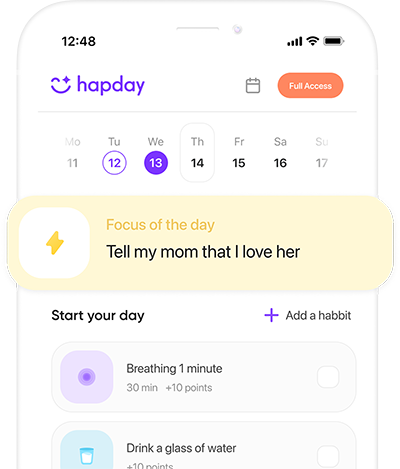
Don’t forget, platforms such as Hapday, with over three million users, tailor movement techniques to your lifestyle, making stress management more accessible than ever.
Incorporating Movement into Your Life
1. Walking: The Simplicity of Putting One Foot in Front of the Other
Sometimes simplicity wins. Walking stands as a prime example. A study out of Stanford University found that walking, especially amidst nature, is a robust stress counteractant. Start small—maybe a lunchtime stroll. Observe everything: the sights, sounds, and even the crisp aroma of fall, immersing yourself in the present and shedding stress bit by bit.
2. Yoga: Stretching the Stress Away
Yoga’s trifecta of physical poses, breathwork, and meditation is a powerhouse against stress. Research from the Journal of Clinical Psychology supports its mood-enhancing benefits. New to yoga? Local classes or guidance apps can lead you through foundational poses—for instance, sun salutations or restorative sequences—right from your living room.
3. Dance: Moving to the Beat of Stress Reduction
Dance isn’t just for the pros. It’s about freedom and expression, and an excellent stress buster. A study in the Arts in Psychotherapy journal underscored how dance therapy reduces stress consistently. A solo dance party to your favorite tracks could be just what the doctor ordered.
4. Tai Chi and Qigong: Cultivating Inner Peace through Gentle Movement
Tai chi and qigong—these aren’t just slow movements; they’re moving meditations practiced for centuries. These ancient arts focus on breath and deliberate motion. A meta-analysis in BMC Complementary Medicine and Therapies confirmed their efficacy against stress and anxiety. Online tutorials or community classes are great ways to delve into these calming practices.
5. Strength Training: Building Physical and Mental Resilience
Not solely the domain of muscle enthusiasts, strength training also bolsters mental resilience. A Psychological Reports study found it greatly diminishes stress and boosts mental wellness. Begin simple—bodyweight exercises are a solid foundation. Gradually integrate weights as your confidence builds.
The Role of Breathing and Mindfulness in Movement
Breathwork pairs beautifully with movement, enhancing stress-relief. Breathing steadies the autonomic nervous system, beautifully complementing any physical activity, be it yoga or a strategic jog.
“Breathing grounds you, easing the body’s stress reactions.”
— Dr. Michael Emery, Mind-Body Researcher
Can’t sleep at 2 a.m., and anxiety’s got a grip? Hapday’s AI coach offers solutions anytime, so you’re never alone in tackling stress.
Crafting Your Personalized Movement Plan
Movement is versatile and personal. Stress’s grip is unique to each individual, so your strategy should match your preferences and lifestyle. Notice what activities energize you—it could be a dance over a gym session. Prioritize what engages and uplifts you.
Factor in your schedule, energy, and resources to craft a balanced plan. Blend activities. After all, alternating between yoga and walking or dance and strength training offers a richer spectrum of benefits.
Overcoming Barriers to Movement
Life’s curveballs are inevitable. But overcoming movement roadblocks fortifies your stress management. A squeezed schedule or minimal space can be overcome with five-minute stretches or short walks. Utilize technology—apps or videos steer you through time-efficient exercises.
Also, a support network—be it friends or family—can inject accountability and shared joy into your routine.
Embracing the Long-term Benefits of Movement
Your journey isn’t only about immediate stress relief but also nurturing your long-term well-being. Consistent movement builds resilience, empowering you against future stressors.
As you embed these habits, you’ll feel a motivational boost that fuels continued practice. With time, feel your mind and body shred stress effortlessly, fostering renewed clarity and assurance.
Looking to sustain momentum? Hapday’s AI coaching charts your practice, offering encouragement and tracking progress—every step of the way.
Conclusion
Integrating movement into your lifestyle isn’t just about stress relief. It’s about embarking on a personal wellness odyssey. Whether through tai chi’s gentleness, dance’s exuberance, or yoga’s grounding nature, each stride and stretch unveils your body’s innate solutions.
Remember, tools like Hapday make continuity effortless. With over three million users, it offers the guidance to stick with habits that enhance your life.
By embodying movement, you’re not just confronting stress—you’re cultivating a vibrant, present life grounded in pure vitality. Let’s get moving, shall we?
Key Takeaways
- Movement is vital for reducing stress and improving mental well-being.
- Consistent movement, even for just 20 minutes a day, can significantly lower stress levels.
- Incorporating mindful practices such as yoga, dancing, and tai chi can enhance the stress-relief effects of movement.
- Creating a personalized movement plan that suits your lifestyle can make stress management more effective and enjoyable.
- Support systems, apps, and community resources can help overcome barriers and maintain movement habits.
The Bottom Line
Embracing movement as part of your wellness journey not only alleviates stress in the moment but also cultivates resilience for the future. By finding enjoyment in various movement practices, you can create lasting change that enhances your quality of life.