



Table of Contents
- Understanding Burnout: Beyond the Buzzword
- Mental Health Coaching: A New Dawn
- Burnout: Recognizing the Symptoms and Signals
- The Science Behind Mental Health Coaching
- The Tools of Mental Health Coaching
- A Case Study: Brendan’s Journey to Reclamation
- Incorporating Coaching into Your Recovery
- Conclusion: Your Journey Awaits
- References
Understanding Burnout: Beyond the Buzzword
Burnout isn’t a simple case of feeling weary; it’s a complex psychological condition marked by emotional exhaustion, a sense of detachment, and reduced personal achievement.
“Burnout signals from your brain that a change is vital. It’s not about being lazy; it’s the enduring fatigue even when you’ve had a break.”
— Dr. Sarah Chen, NYU
Take Maya, a 28-year-old marketing professional, as an example. The passion she once had for her work gradually slipped away, buried by late nights and relentless pressure. Even her cherished hobbies felt burdensome eventually. Unfortunately, her story isn’t unique.
Burnout sneaks up slowly, often unseen until you’re deep in its grasp. It typically thrives on prolonged exposure to stress, whether that’s unmanageable workloads, a lack of control, or defining success too narrowly as endless productivity. These stressors are like dry tinder, just waiting for a spark to start a fiery cycle of burnout.
Mental Health Coaching: A New Dawn
This is where mental health coaching comes into play. Unlike traditional therapy, which delves into past traumas and diagnoses, coaching zooms in on the present, aiming to provide solutions that look forward. It’s about regaining control, reshaping personal narratives, and using stress as a springboard for growth.
“Coaching is a partnership to help you thrive amid challenges. It’s not about fixing people but equipping them with overlooked skills and perspectives.”
— Dr. Emily Rodriguez, Life Coach
Burnout: Recognizing the Symptoms and Signals
So, what are the red flags of burnout? Chronic exhaustion, feeling detached or ineffective, and a lack of excitement for previously meaningful tasks are significant indicators. There are physical symptoms too—like headaches and a weakened immune system, hinting your body is waving the white flag.
Mental health coaching can play a crucial role in early symptom recognition. By becoming aware, you can tackle issues before they’re fully formed, offering a path back before burnout takes a heavier toll.
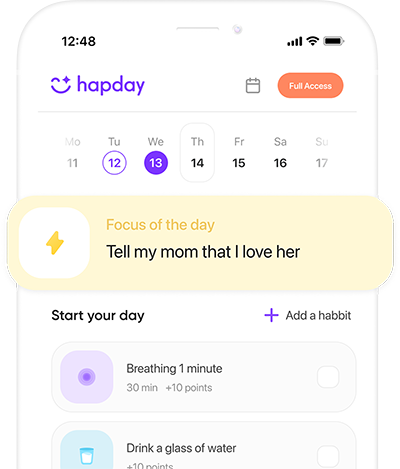
Imagine a cycle of endless sleepless nights and stress. That’s where platforms like Hapday step in. Used by more than 3 million individuals, it offers real-time mental health coaching, with mood trackers and habit-building programs. It’s there when traditional appointments aren’t possible, offering just the right help.
The Science Behind Mental Health Coaching
Why is coaching effective, and how does it stand apart from other support forms? The secret’s in its grounding in positive psychology, which focuses on building strengths rather than addressing weaknesses. According to a piece published by the American Psychological Association, rooting focus in personal strengths enhances well-being and resilience.
Coaching relies on accountability, setting goals, and action-oriented steps. It’s about crafting doable milestones that build momentum.
“Coaching fosters an environment of self-discovery,”
— Dr. Sarah Chen
leading clients toward methods that reflect their values and dreams.
The Tools of Mental Health Coaching
Coaches wield a toolkit that includes mindfulness, cognitive reframing, and structured goal setting. Here’s how these tools come into play against burnout:
- Mindfulness Practices: Mindfulness keeps you present, accepting thoughts without judgment. Harvard research highlights how it lowers stress and boosts emotional regulation. Coaches guide clients through practices like progressive muscle relaxation to build burnout resilience.
- Cognitive Reframing Techniques: Imagine flipping stressful situations into opportunities for learning. Cognitive reframing transforms negative thought patterns into constructive thinking. This technique, a staple of cognitive-behavioral therapy (CBT), empowers you to view challenges from a more balanced perspective.
“It’s about rewriting your story—from victim to resourceful agent.”
— Dr. Rodriguez
- Goal-Setting and Accountability: Creating realistic goals is critical for burnout recovery. Coaches assist in breaking down tasks into bite-sized steps. Accountability drives progress, and regular check-ins keep the motivation burning. This way, overwhelm is tamed, and achievements spark.
A Case Study: Brendan’s Journey to Reclamation
Consider Brendan, a 35-year-old software engineer caught in the pandemic’s remote work whirlwind. He turned to mental health coaching when his job, once rewarding, turned sour.
Through regular sessions, Brendan established work-life boundaries. He practiced strategic breathing to calm anxiety during peak stress. Eventually, he rediscovered joy in coding, seeing challenges as puzzles to solve, not hurdles.
As Brendan’s experience shows, mental health coaching isn’t about waving a magic wand over burnout. It’s about empowering individuals to manage its intricacies.
Incorporating Coaching into Your Recovery
Standing at burnout’s edge and considering coaching? Start by evaluating your needs and find a coach aligning with your goals. Initial consultations can help you grasp their approach to determine if it suits you.
Enhance this journey with digital tools that foster your progress. Platforms like Hapday extend in-person coaching with features from stress management exercises to tailored habit-tracking.
With diligence and the right guidance, transformation is within reach.
Conclusion: Your Journey Awaits
Navigating the maze of burnout isn’t easy, but it’s also a chance for renewal. Mental health coaching arms you with the strategies and support needed to regain control over life.
Seen the burnout signs and looking for accessible, practical support? Give Hapday some thought. With millions already using its services, Hapday delivers evidence-based programs for reclaiming your sense of self and zest for life. Consider if it can catalyze your change at hapday.app.
Key Takeaways
- Burnout is a complex condition requiring proactive management.
- Mental health coaching focuses on present solutions and growth.
- Early symptom recognition through coaching can prevent deeper burnout.
- Tools like mindfulness, cognitive reframing, and goal setting support recovery.
- Platforms like Hapday make mental health coaching accessible to all.
The Bottom Line
Burnout can be overcome with the right approaches, and mental health coaching offers valuable tools and support to reclaim your life. Empower yourself today to take the first step towards renewal.
References
- Gallup – gallup.com
- Harvard University – harvard.edu
- American Psychological Association – apa.org