



Table of Contents
- The Science Behind Sleep and Meditation
- Types of Meditation That Aid Sleep
- Real-Life Application: A Case Study
- Why Meditation Eases Sleep Trouble
- Incorporating Meditation into Your Routine
- Expert Opinions on Meditation and Sleep
- Meditation as a Long-term Sleep Strategy
- Real-World Implications and Potential Concerns
- Addressing Common Misconceptions
- A Path Forward
The Science Behind Sleep and Meditation
To grasp how meditation can enhance sleep, it’s crucial to first understand how sleep operates. While awake, our brains are on fire, buzzing with billions of signals each second. Sleep serves as a necessary counterbalance, comprising various stages that nourish body and brain each in unique ways. But it’s more than rest—adequate sleep hones emotional regulation, memory, even the immune system.
When sleep plays hard to get, the repercussions ripple right through daily life. Decision-making? Impacted. Metabolism? You bet. Here, meditation steps in by activating the parasympathetic nervous system. Often dubbed the “rest and digest” system, this involves rhythmic breathing and non-judgmentally observing thoughts. The magic? It nudges your body away from the stress-fueled “fight or flight” mode.
“Mindfulness meditation, when practiced consistently, can significantly curb the production of stress hormones like cortisol.”
— Dr. Sarah Chen, Clinical Psychologist, NYU
And less cortisol? Less anxiety. Ideal conditions for quality sleep.
Types of Meditation That Aid Sleep
Meditation isn’t a one-size-fits-all affair. Different forms target different goals. For sleep improvement, certain techniques shine brighter:
- Mindfulness Meditation: This involves cultivating present-moment awareness. Anytime the mind strays, gently guide it back to focus on breathing. A 2015 study in JAMA Internal Medicine noted improvements in sleep quality among older adults with moderate sleep disturbances who practiced this form of meditation.
- Guided Imagery: Picture this—walking along a beach at sunset, or reclining by a babbling brook. Such restful mental scenes help reduce mental mind-clutter that interferes with slipping into slumber.
- Body Scan Meditation: Picture mentally scanning your body from head to toe, noting sensations without judgment. This grounding technique promotes relaxation, breaking you out of stress-induced sleeplessness.
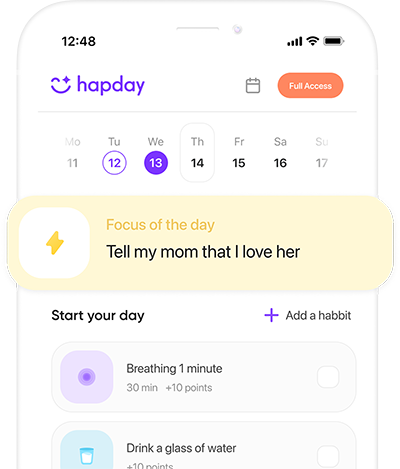
Ever face that 2 a.m. mind race? An AI coach like Hapday lets you wrestle with it right there, offering tools from guided meditations to live digital coaching sessions.
Real-Life Application: A Case Study
Take Maya, a 28-year-old marketing executive. Post-divorce, sleep became elusive. Her mind swirled with the day’s events, her thoughts like autumn leaves caught in a breeze. After stumbling upon meditation, she set out on a nightly mindfulness journey. Following a local coach’s guidance, Maya started with brief 10-minute sessions of deep breathing, later stretching them out. Within a month, sleep came faster, with fewer disruptions. Six months on, her fatigue all but vanished, and her work concentration sharpened dramatically. Through meditation, Maya reclaimed command over her sleep habits—and her waking life.
Why Meditation Eases Sleep Trouble
Meditation soothes both psychological and physiological elements to foster better sleep quality:
- Quiets a Busy Mind: By honing attention on the present, meditation diminishes the intricate stories our minds concoct, calming the chatter that blocks relaxation.
- Kickstarts Parasympathetic Processes: Breathing exercises and concentration inherent to meditation help initiate the body’s natural relaxation responses, slowing heart rate and lowering blood pressure.
- Possibly Boosts Melatonin Production: Studies, like those from the University of Massachusetts Medical School, suggest meditation might elevate melatonin levels, key in managing our sleep-wake cycles.
Incorporating Meditation into Your Routine
Considering weaving meditation into your nightly ritual? Consistency’s crucial. Start with shorter sessions, gradually expanding as you grow accustomed. Here’s a roadmap to embedding meditation into your sleep prep:
- Set the Mood: Carve out a serene, quiet space. Bask in dim lighting to milk the mood.
- Stick to a Schedule: Sync meditation with your bedtime routine. Train your body it’s time to slip into rest.
- Tap into Resources: Guided meditations can lay a sturdy foundation. Apps like Hapday serve as your toolkit.
- Don’t Rush: Meditation’s a skill. Celebrate small victories, without pressure for immediate perfection.
Expert Opinions on Meditation and Sleep
“Animal studies indicate the body achieves a meditative state even outside sleep, suggesting meditation actively sustains high-quality sleep.”
— Dr. Paul Morrison, Neuroscientist, Harvard
This suggests meditation actively sustains high-quality sleep. And not just hearsay backs up meditation’s worth; research reported in Psychological Medicine demonstrates a strong link between regular mindfulness practice and improved sleep patterns and daytime functioning.
Meditation as a Long-term Sleep Strategy
Meditation isn’t a quick fix—it’s a path to long-term betterment. Its effectiveness blossoms with dedication. Unlike medication, prone to dependency or side effects, meditation provides a sustainable strategy, void of costs. Its benefits leap past sleep hygiene, enhancing emotional regulation, stress management, and mental wellbeing. Notably, meditation is cost-effective too. Traditional therapy can charge upwards of $100 per hour, whereas meditation’s economical for budget-conscious folks. With over 3 million users and counting, Hapday is a leading platform making meditation and improved sleep an accessible reality.
Real-World Implications and Potential Concerns
Despite meditation’s myriad benefits, it should be approached with clear expectations. It complements but isn’t a catch-all cure. Those battling intense sleep issues might want to consult healthcare professionals for a deeper probe. For some, meditation might initially stir discomfort, particularly when coupled with conditions like anxiety or PTSD. Easing into the practice at a comfortable pace—and seeking out professional advice—will help you gradually incorporate meditation in a way that supports your overall mental wellness.
Addressing Common Misconceptions
One prevalent myth is that meditation demands a completely clear mind. Such a feat’s near-impossible and unnecessary. Meditation involves acknowledgment and acceptance of thoughts, letting them drift by without attachment or judgment, thereby refocusing attention through calm intentionality.
Another misunderstanding equates meditation with lacking scientific grounding. In reality, substantial research backs its efficacy in spurring physiological relaxation and improving sleep quality. Studies from well-respected institutions like University of Oxford and Kaiser Permanente’s Center for Health Research consistently affirm meditation’s benefits.
A Path Forward
Intrigued but unsure where to start integrating meditation for better sleep? Take heart; it’s personal and may require adjustment. With patience, dedication, and adaptability, meditation can evolve into a formidable tool in your sleep-improvement toolkit. Actioning these strategies’s a cinch with the right support. Hapday (hapday.app) functions as a 24/7 AI life coach, empowering over 3 million folks to iron out the habits that truly stick. By leaning into meditation and technology, reclaim peaceful nights and fill waking hours with vibrancy. Embark on this journey assured that every ounce you invest in better sleep elevates your life’s quality.
Key Takeaways
- Meditation can significantly improve sleep quality by calming the mind and reducing stress.
- Different types of meditation, like mindfulness and guided imagery, offer unique benefits for sleep.
- Consistent practice and the right resources are key for integrating meditation into your sleep routine.
- Expert opinions and research underscore meditation’s effectiveness in enhancing overall sleep and mental wellness.
- Meditation is a long-term strategy for better sleep without the dependency issues associated with medication.
The Bottom Line
Meditation is a powerful tool for improving sleep quality and overall mental health. With dedication and the right approach, it can become an essential part of your nightly routine, helping you reclaim restful nights and invigorated days.
References
- National Institutes of Health – https://www.ninds.nih.gov
- Harvard University, Aging & Mental Health – https://hms.harvard.edu
- JAMA Internal Medicine – https://jamanetwork.com
- University of Massachusetts Medical School – https://umassmed.edu
- Psychological Medicine – https://cambridge.org
- Kaiser Permanente Center for Health Research – https://kpchr.org