



So, here we are—living in this bustling world where stress seems to pop up everywhere, like weeds in a garden. Taking care of our mental health often feels just as crucial as keeping an eye on our physical health. Now, maybe you haven’t given much thought to it, but a mental health journal can be an incredible tool in this adventure towards emotional balance. But what exactly is it? How can it help us navigate the tangled web of our emotions? Let’s dive into the world of mental health journaling, sprinkling in a bit of science for good measure, and toss around some tips to help you begin.
Table of Contents
- Understanding Mental Health Journaling
- The Science Behind Journaling
- Benefits of a Mental Health Journal
- How to Start a Mental Health Journal
- Overcoming Common Challenges
- Wrapping Things Up
Understanding Mental Health Journaling
First things first, a mental health journal goes beyond the classic “Dear Diary” approach. It’s all about structure, helping folks to systematically process their thoughts and emotions. Unlike jotting down what you had for lunch, these journals delve into moods, triggers, and mental patterns. Picture it as a magnifying glass for your emotional health. It’s about pinpointing areas that could use a bit of TLC and nurturing a better understanding of oneself. Think of it as a roadmap to your emotional center, guiding you to places within yourself you didn’t even know existed.
The Science Behind Journaling
As for the science part, there’s plenty of research out there singing praises of journaling. Way back in 2005, a study in Psychosomatic Medicine was all about how expressive writing could seriously lift moods, reducing anxiety and depression (thank you, Baikie & Wilhelm). And even before then, in the 90s, a meta-analysis in Advances in Psychiatric Treatment highlighted how journaling boosts not just mental health but also physical outcomes—like a stronger immune system (hats off to Pennebaker & Seagal for that one). Who knew that scribbling down thoughts could make our bodies stronger too?
Benefits of a Mental Health Journal
1. Emotional Release and Clarity
Writing down your emotional experiences can feel like opening the release valve on a pressure cooker. It helps process and let go of pent-up feelings, refining your emotional vision. Who would’ve guessed that simply penning emotions could lighten the weight of anxiety and depression?
2. Identifying Patterns and Triggers
Regularly jotting down your thoughts and feelings can turn you into a bit of a detective of your own psyche. You can start spotting patterns, those recurring bugbears you never noticed before. This newfound awareness can guide you in crafting strategies to deal with them—making you the hero in your own mental health story.
3. Goal Setting and Progress Tracking
Think of the journal as both a launchpad and a scoreboard. You set your mental health objectives there, track your progress, and relish in personal growth. This could light a fire under anyone’s motivation, spurring on healthier habits in the long run.
4. Enhancing Mindfulness and Self-Reflection
It’s a tool for diving into mindfulness too, urging you to be present and really tune in to your thoughts. Over time, this fosters deeper self-reflection, which can lead you to realize there’s more to yourself than meets the eye.
How to Start a Mental Health Journal
1. Choose Your Medium
Whether it’s typing away on a laptop or feeling the scrape of pen on paper, pick whichever medium sings to you. Some folks are all about the tech with apps like Day One, while others need that tactile connection of a good ol’ paper journal.
2. Establish a Routine
Just like with any good habit, consistency is your friend here. Carve out a little corner of your day—morning, night, you name it. This way, journaling becomes second nature, like your morning coffee or evening wind down.
3. Use Prompts
If you’re new to this, prompts can be gold. They nudge you towards reflection with questions like, “What emotions bubbled up today?” or “What made you feel this way?” These little cues can steer your journaling onto a meaningful path.
4. Be Honest and Open
Time to drop any pretense. This journal’s a no-judgment zone, just like that favorite pair of worn-in sweatpants. Being honest and open can lead to those aha-moments in self-discovery and better mental health outcomes.
Overcoming Common Challenges
1. Consistency
Sticking with journaling can be like trying to keep a New Year’s resolution. Starting small helps—aim for just five minutes a day, and watch it grow.
2. Fear of Judgment
There’s always that worry of someone snooping. Whether it’s utilizing digital encryption or tucking your journal away safely, ensuring your privacy is vital for you to really open up.
3. Perfectionism
This isn’t prose to be critiqued; it’s your personal escape. Embrace the mess—it’s authentic, not for show.
Wrapping Things Up
In a nutshell, a mental health journal is like a trusty sidekick in your emotional well-being quest. It gives you insights into your emotional landscape, highlights the triggers, allows you to measure growth, and becomes a partner in mindfulness. The secret sauce? Consistency and honesty. They’re key to really benefiting from this practice.
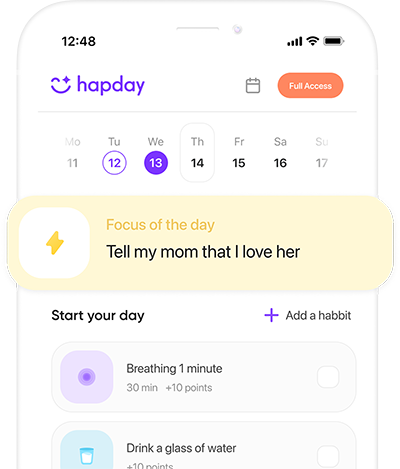
Now, if you’re feeling inspired to try it out for yourself, why not integrate it into your routine? Be playful with it as a tool for discovery and growth—both emotionally and personally. And hey, while you’re at it, if you’re keen to explore tools like this further, give Hapday a go. It’s a mindfulness app designed to marry journaling with reflection, crafting a path paved with well-being. Go on, start sketching your own emotional clarity narrative today.