



It was a chilly winter evening, the kind where the cold seeps into your bones, and I found myself at a crossroad—not standing in a snow-cloaked street, but facing an unexpected emotional jam. My day had been a series of hiccups: a spilled cup of coffee, a missed deadline at work, and a partner who’d had enough of my distractedness. These weren’t just isolated incidents; they became a storm in my mind. And yet, the real revelation lay in how I grappled with these moments. In that flash of self-awareness, I realized I was speaking a new language: emotional intelligence.
Emotional intelligence. It’s one of those phrases that get tossed around a lot these days, isn’t it? But it’s not just a trend. Curious to unravel its depth and significance? Stay with me as we explore why understanding and nurturing your emotional intelligence is not simply advantageous—it’s transformative.
Table of Contents
- Understanding Emotional Intelligence
- Self-Awareness: The Beginning of Understanding
- Self-Regulation: Keeping Emotions in Check
- Motivation: Inner Drive and Emotional Perspective
- Empathy: The Art of Emotional Connection
- Social Skills: Interpersonal Mastery
- The Significance of Emotional Intelligence
- How to Enhance Emotional Intelligence
- Realizing the Power of Emotional Intelligence
- References
Key Takeaways
- Emotional intelligence (EI) is essential for personal and professional success.
- Self-awareness and empathy are foundational components of EI.
- High EI leads to better relationships and overall well-being.
- Practical strategies exist to enhance your emotional intelligence.
Understanding Emotional Intelligence
What is emotional intelligence (EI), anyway? At its core, it’s about recognizing, understanding, managing, and reasoning with emotions. If Daniel Goleman’s name rings a bell, it’s because he was the one who thrust EI into the spotlight, suggesting it could rival—or even surpass—the importance of traditional IQ. According to him, EI breaks down into key components: self-awareness, self-regulation, motivation, empathy, and social skills.
Self-Awareness: The Beginning of Understanding
Picture this: standing before a mirror that reflects not just your face but your innermost emotional landscape. That’s self-awareness. It’s understanding what makes you tick, emotionally.
“Self-awareness isn’t just the foundation of emotional intelligence; it’s about grasping how your emotions impact those around you.”
— Dr. Sarah Chen, Clinical Psychologist, NYU
Take Maya, for instance—a 28-year-old marketing executive and now-divorcee. As her world unraveled, she leaned into therapy, discovering a razor-sharp self-awareness. It didn’t just help her identify sadness before it overwhelmed her; it kickstarted her healing path.
Self-Regulation: Keeping Emotions in Check
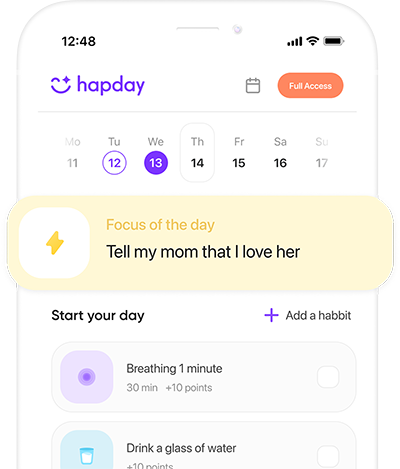
Here’s a tricky part—managing emotions once you’re aware of them. This isn’t about bottling them up; it’s about channeling them wisely. Imagine possessing an emotional toolbox that allows you to assess situations without knee-jerk reactions. People skilled in emotional intelligence rely on this instinctively. Take the case of Hapday—a tool now used by over 3 million people, offering real-time coaching to unpack emotions. It’s like having an emotional compass handy when life’s tides get rough.
Motivation: Inner Drive and Emotional Perspective
Think of motivation as your emotional fuel—igniting your goals from within rather than being sparked by external affirmations. Talk to Dr. John Martinez, a leading motivational psychologist, and he would share,
“Those with a high EI harness setbacks not as anchors to pull them down, but as jet fuel to propel them forward.”
— Dr. John Martinez, Motivational Psychologist
Their source of drive is embedded in passion and unyielding purpose.
Empathy: The Art of Emotional Connection
Empathy: stepping out of your world and into someone else’s emotional shoes. It’s crucial for nurturing relationships. Revisit Maya’s story. As she moved forward, she volunteered at a local therapeutic retreat center and transformed adversity into empathy-driven, shared healing experiences with others.
Social Skills: Interpersonal Mastery
These skills are the culmination of emotional intelligence. This is where theory translates into practice—communicating, inspiring, and responding to social cues with empathy and insight. Social prowess lies in the ability to manage and build relationships effectively.
The Significance of Emotional Intelligence
So why does emotional intelligence hold such weight? In the landscapes of both home and work, high EI contributes to reduced conflicts, seamless communication, and elevated empathy. You’ve probably read it in the Harvard Business Review—emotionally intelligent folks are better adaptors, problem solvers, and success magnets.
In a work setting, EI is like a secret superpower. TalentSmart figured out that it’s the strongest predictor of high performance, responsible for 58% of success across careers. Those who grasp their emotions—and likewise understand the emotions of co-workers—cultivate cooperative, thriving workplaces.
For individuals, those blessed with emotional intelligence often experience higher satisfaction in life and better overall wellbeing. Lesser shades of anxiety, fewer dark clouds of depression, they enjoy more durable coping strategies for life’s inevitable curveballs.
How to Enhance Emotional Intelligence
Having recognized EI’s value, you’re probably itching to boost yours. Dive into these practical strategies:
- Practice Mindfulness: Mindfulness asks you to stay present, diving deep into your emotional state without casting judgment. It shores up self-awareness and self-regulation. Ever tried mindfulness at 2 a.m. when sleep eludes you? Try Hapday—it’s packed with tools like breathing exercises to lull you into clarity and calm.
- Reflect on Your Emotions: Make it a habit to reflect on your emotions and the roots they stem from. Keep a journal—jot down emotional episodes and their triggers. This way, you map the journey from past reactions to future forecasts.
- Seek Feedback: Open the floor for discussions about your emotional interactions. Share and listen. Solicit feedback from trusted friends or colleagues; you’re likely to uncover insights you’d otherwise have missed by seeing through your lone lens.
- Practice Empathy Exercises: Seek out perspectives different from yours. Engage in conversations that challenge your viewpoint. Ask questions that prompt deeper insight into others’ worlds, enhancing your empathy muscle.
- Develop Positive Interpersonal Skills: Since social finesse is key, sharpen those skills. Cultivate effective communication and conflict-resolution techniques. Take an active interest in others’ concerns, and respond with care and authenticity.
Realizing the Power of Emotional Intelligence
Emotional intelligence isn’t a destination; it’s a journey of lifelong discovery and growth. As you weave EI into your daily practice, you might find navigating life’s whirlwind a touch smoother, relationships richer, choices more gratifying. Remember—mastering your emotions reshapes how you encounter and interpret the world.
Looking for guidance? You don’t have to tread this path alone. Tools like Hapday can support the cultivation of enduring habits that reinforce EI. Think of it as having a seasoned companion exploring this profound terrain with you.
Cultivating emotional intelligence is an expedition into nuanced self-awareness and empathy-driven engagement. As you hone these skills, don’t be surprised when you find yourself more adept at meeting life’s many challenges—with the grace and strength of emotional fluency.
The Bottom Line
Emotional intelligence plays a pivotal role in personal fulfillment and professional success. By nurturing this skill, you can transform your interpersonal relationships and enhance your overall quality of life. Invest in your emotional growth, and the benefits will unfold.
References
- American Psychological Association (APA)
- Harvard Business Review
- TalentSmart Study on Emotional Intelligence
- Centers for Disease Control and Prevention (CDC)