



Autism Spectrum Disorder (ASD)—a complex challenge, really—that shapes how folks communicate and behave. Among the hurdles they jump (and there are plenty), there’s something called ASD burnout. It’s often shrugged off or, worse, misdiagnosed, but it’s a real bear. Imagine a mix of physical, emotional, and mental exhaustion that stems from the relentless stress of just trying to exist where most folks just don’t get it.
Table of Contents
- Grasping ASD Burnout
- Spotting the Signs of ASD Burnout
- What Triggers ASD Burnout?
- Fighting Back Against ASD Burnout
- The Need for a Custom Approach
- Wrapping Up
Grasping ASD Burnout
Now, ASD burnout might not pop up in the DSM-5—that big mental health bible everyone waves around—but it’s no stranger to those in autism circles. So, what happens? The constant stress of daily life can balloon until it crushes an individual’s ability to handle things. This isn’t your run-of-the-mill weariness; it’s next-level stuff that can paralyze, making basic self-care feel like climbing Everest. No joke.
Spotting the Signs of ASD Burnout
Catching ASD burnout in the act isn’t always straightforward. It doesn’t wear a one-size-fits-all face. But some usual suspects include:
- Sensory Overload: Sudden hypersensitivity to lights, sounds, or even how fabric feels.
- Emotional Distress: Waves of anxiety, sadness, or, yikes, irritability.
- Fatigue: Worn out both body and mind with rest that’s about as helpful as a chocolate teapot.
- Cognitive Decline: Brain fog; struggling with memory or deciding what to have for lunch.
- Withdrawal: An urge to hole up and hide from the world.
- Loss of Skills: Temporary setbacks in things like speaking or everyday chores.
A 2020 nod from Raymaker et al. points out these symptoms can totally derail lives. They’re not kiddin’—meaning serious consequences without the right help.
What Triggers ASD Burnout?
Where does it all come from? Well, it’s a stew of stressors, both outside and in. A few offenders include:
- Chronic Stress: Nonstop pressure cooker, thanks to things like sensory overload, tricky social interactions, or that endless push to fit in.
- Masking: Pretending to be something you’re not—it’s not just tiring; it’s unsustainable—why bother?
- Lack of Support: When your cheer squad is missing in action, it’s isolating—like an emotional desert.
Fighting Back Against ASD Burnout
To beat ASD burnout, a one-size-fits-all approach won’t work. It means tailoring solutions to individual needs. Here’s what can help:
1. Understanding and Acceptance
Step one? Spotting what’s up and getting a grip on how ASD burnout might punch different folks in different ways. Open chats—seriously, talk it out—about burnout can make a massive difference.
2. Creating a Sensory-Friendly Environment
Cutting down on sensory overload is key. Think noise-cancelling headphones or adjusting the lighting—and finding those quiet nooks. Customize that space to make it friendly, not frazzling.
3. Self-Care and Downtime
Emphasize the R&R: enough rest, stuff that sparks joy—all those things aren’t ‘nice to have,’ they’re essential. Regular pauses are necessary—just pressing pause on life for a bit.
4. Professional Support
Therapies, specifically those experienced with autism, can provide stress management tools. Cognitive Behavioral Therapy (CBT), for instance, has been praised by Spain et al. for helping with anxiety and depressive vibes in people with ASD.
5. Building a Circle of Support
Having dependable people in your corner—whether family, friends, or even online communities—can be a lifesaver. Swap notes, share stories. Solidarity matters.
6. Mindfulness and Relaxation Techniques
Mindfulness, yoga, meditation—call ’em what you will—do wonders for stress and emotional balance. Spek et al. found these practices boosted well-being for ASD adults. Neat, right?
The Need for a Custom Approach
ASD burnout’s slippery—what works for me might flop for you. Tailor-fit solutions are vital. Bring in the pros to craft care plans—don’t go it alone.
Wrapping Up
ASD burnout? It’s brutal and needs urgent recognition. Nip it in the bud by spotting signs early and custom-tailoring your action plan. With understanding and the proper environment, those on the spectrum can tackle burnout head-on—improving life quality along the way.
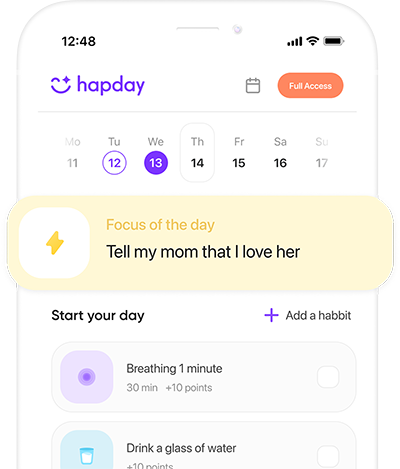
By creating nurturing spaces and prioritizing mental health, we empower individuals to push back against burnout. For more support and personalized strategies, give Hapday a look—it offers a wealth of mental health tips and tools tailored just for you.
Hopefully, this paints the picture. But don’t take my word—explore more how this Hapday app can bolster your mental wellness journey.