



Table of Contents
- The Science of Sleep and Meditation
- Understanding Different Meditation Forms for Sleep
- Why Meditation Works for Sleep
- Implementing Meditation into Your Sleep Routine
- The Role of Consistency
- Challenges and Solutions
- Tracking Success and Adjusting as Needed
- Enhancing Sleep Hygiene with Meditation
- Empower yourself with Meditation
- References
Key Takeaways
- Meditation can significantly improve sleep quality and reduce insomnia.
- Different forms of meditation cater to various preferences and needs for sleep improvement.
- Consistency in practice enhances the benefits of meditation over time.
- Combining meditation with good sleep hygiene builds a strong foundation for restful nights.
- Personalized meditation routines can lead to profound improvements in sleep and overall well-being.
The Science of Sleep and Meditation
Before contemplating “how,” let’s get into “why.” Sleep—it’s not just rest; it’s a fascinating biological opera essential for our bodies and minds. Within these sacred hours, we cycle through stages, including the all-important REM—our memory’s ally. Here’s the hitch: stress and anxiety—pervasive especially among young adults—can untrack this natural dance, turning sleep into a nightly battle.
Meditation, particularly mindfulness meditation, carries compelling credentials. A landmark study in JAMA Internal Medicine back in 2015 spotlighted mindfulness meditation’s role in boosting sleep among older adults, highlighting its versatility across ages. What makes it effective? Its power to ease stress and calm the frazzled nerves—conditions ripe for sleep.
Understanding Different Meditation Forms for Sleep
Meditation isn’t a uniform deal—it’s more like a buffet, each dish offering unique flavors. Some dishes are tastier for those seeking sleep’s solace.
- Mindfulness Meditation: This practice emphasizes staying present—no judgment allowed. Regular mindfulness can hush those mental whirlpools at night, teaching your brain to greet thoughts without ensnarement.
- Body Scan Meditation: A sequential focus on various body parts, promoting physical relaxation. Often, releasing hidden tension can turn the tide towards sleep.
- Guided Visualization: Crafting imagined landscapes or stories through guided meditation distracts, trading anxiety for peaceful imagery.
- Breathing Meditation: By controlling one’s breath—the pace and depth—you engage the parasympathetic nervous system, nurturing tranquility—a sleep cocktail.
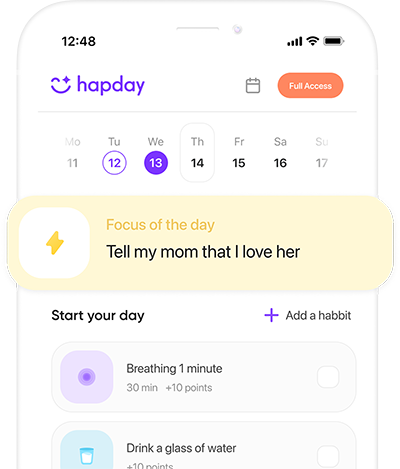
Picture the scene—it’s 2 a.m., and sheep won’t suffice; your mind is unruly. Enter tools like Hapday, offering 24/7 AI coaching—a contemporary night watchman for sleepless urbanites.
Why Meditation Works for Sleep
“Meditation fosters pre-sleep rituals, helping the mind and body unwind.”
— Dr. Sarah Chen, Clinical Psychologist, NYU
There’s a strong bond between stress and sleep—meditation taps into neuro pathways for relaxation, ushering in lower cortisol and a rise in sleep-facilitating melatonin.
Implementing Meditation into Your Sleep Routine
Is the thought of more on your plate daunting? Here’s the upside: meditation needn’t eat into your busy life—it’s adaptable, gentle.
- Start Small: Commit to five to ten minutes pre-sleep. Apps like Calm or Headspace curate guided journeys, letting you build gradually.
- Create a Comfortable Environment: Mute the room, consider aromatics like lavender—curate a sleep sanctuary.
- Set Intentions: Approach practice with acceptance. Meditation won’t remove stressors but changes your rapport with them. Awkwardness at first? Part of the norm.
- Combine With Other Techniques: Merging other tranquil practices with meditation can amplify outcomes. Pair it with yoga or muscle relaxation for deeper peace.
Consider Maya’s tale, following her turbulent divorce at 28. Stress fed her insomnia, but through nightly guided meditations, she reclaimed restful sleep within weeks. A personalized routine unlocked her path to restorative nights.
The Role of Consistency
Consistency isn’t just key—it’s the whole door. Like any craft, meditation’s true gifts unfold with time. A Journal of Clinical Psychology study confirms this—steady mindfulness translates to enhanced sleep duration and quality. Nightly practice is vital; extend duration as comfort develops.
Challenges and Solutions
Challenges? Looming. “No time,” or “Can’t meditate,” echo countless voices. Dr. Arjun Patel, neuropsychiatrist extraordinaire, advises: “Adaptability and patience are essential. Short work breaks or morning sessions can be a gradual introduction.”
Anxiety landmines persist? Visualization aids and gentle affirmations can lead towards deeper meditative states. For digital allies, Hapday offers structured inroads through guided tasks and habit tracking, anchoring meditation in daily life.
Tracking Success and Adjusting as Needed
Measure success not just by the time it takes to drift off but how refreshed you feel upon waking. Jot transformations in a journal—note sleep changes, mood fluctuations, and energy boosts over time. Changing needs? Evolve your meditation methods to remain supportive.
Enhancing Sleep Hygiene with Meditation
Meditation meets its match when combined with sleep hygiene fundamentals. Reduce caffeine, curb screen-time before bed, and sustain a regular sleep routine. As the National Institutes of Health recommends, these practices build a sturdy foundation for sound sleep.
Place meditation at the heart of nighttime routines—not a sideline endeavor. A thoughtful, regular style fosters a sleep-inviting atmosphere, mentally and physically.
Empower yourself with Meditation
Embarking on meditation’s path isn’t just about outsmarting insomnia. It’s a journey to master stress responses and bolster emotional resilience.
Feeling structured guidance is needed? Enter Hapday, touted by over 3 million users. Its AI coaching syncs with your aspiration for improved sleep. Explore their programs for meditation and sleep enhancement at hapday.app.
Ultimately, weaving meditation into your bedtime ritual can usher profound shifts. Confidence grows as your body and mind—bolstered by these methods—unlock the serene nights you truly deserve.
References
- Sleep Foundation
- JAMA Internal Medicine
- Journal of Clinical Psychology
- National Institutes of Health
The Bottom Line
Meditation is not just a tool; it’s a transformative path leading to not only better sleep but a healthier relationship with stress and emotional challenges. By integrating meditation into your nightly routine, you can reclaim the restful nights you deserve.