



Table of Contents
- The Sleepless Generation
- Why Meditation for Sleep?
- Different Types of Meditation for Sleep
- The Science Behind Meditation and Sleep
- Creating a Consistent Practice
- Overcoming Common Meditation Barriers
- Practical Lifestyle Tips to Enhance Meditation’s Effectiveness
- Track Your Progress
- Closing Thoughts and Empowerment
- References
Key Takeaways
- Meditation can significantly improve sleep quality by promoting relaxation and reducing anxiety.
- Different meditation techniques cater to varying preferences, including mindfulness and guided practices.
- Consistency in meditation practice is key to achieving long-term benefits.
- Creating a conducive sleep environment and establishing a pre-sleep routine can enhance meditation’s effectiveness.
Imagine this: it’s a chilly Tuesday night, and Emma’s lying awake, eyes wide open. The dim glow of her clock reads—3:08 AM. She tries everything, downing warm milk whole, flipping pillows, counting sheep sheepishly. Yet, her head buzzes with today’s unsolved puzzles and tomorrow’s daunting dilemmas. Sound familiar? If so, you’re in crowded company. Countless souls, from the youthful to the older and wiser, grapple with sleep woes. Lately, meditation’s gaining momentum as a genuine, side-effect-free remedy. Life in the insomniac’s den, isn’t it exhausting?
The Sleepless Generation
Technology—blessing or curse? It has altered our lives remarkably, providing ease but also sleepless nights. Today, we’re tethered to screens, flashing digital angst right into our peaceful hours. CDC data reveals that a jarring one in three adults pace the sleepless tracks. Millennials, they lead in no-rest leagues. Now add Gen Z’s financial pressures, and life feels like a relentless juggling act.
“Being constantly ‘on’ weighs heavily on sleep.”
— Dr. Sarah Chen, NYU
Could meditation be our savior, a beacon of hope in a sleep-deprived world?
Why Meditation for Sleep?
Meditation is that pause button in our swirling mental chaos—sounds wonderful, right? It guards the fort, ensuring sleep breezes in…instead of slipping away. Intriguingly, the NIH shows meditation ramps up melatonin and slows down heartbeats, enchanting the body into winding down.
Meet Maya, 28, weathering a divorce storm. She turned to meditation—a lighthouse in turbulent times. Insomnia, once her shadow, receded, leaving peace in its wake.
“It was like pulling the plug on my restless mind.”
— Maya, 28
Different Types of Meditation for Sleep
For some, sleep is as natural as breathing. For others, deliberate effort is key. Enter meditation, a buffet of techniques for every palate:
1. Mindfulness Meditation
Mindfulness meditation is all about grounding in the present. It’s like greeting thoughts…without hosting drama. After six sessions, JAMA reports reduced insomnia, weariness, and blue moods.
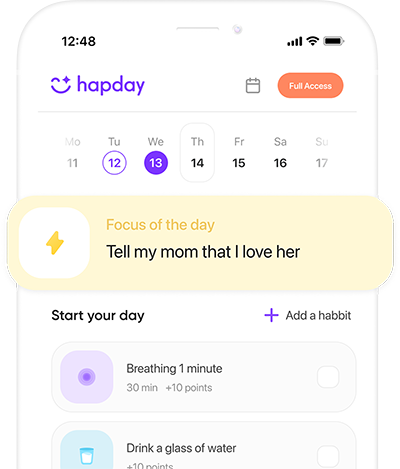
The method? Find a nice, quiet nook, relax, breathe, repeat. Distracted by today’s mental chatter? Try the Hapday app. Over 3 million users, around-the-clock coaches—there’s a guide whenever tranquility beckons.
2. Guided Meditation
A favorite for beginners (and folks drowning in life’s demands). Guided meditation paints mental oases for the overburdened soul. Researchers point to fewer night-wakings and richer sleep amidst guided journeys.
Think of it this way: a gentle voice asks you to paint a serene scene in your mind—or even simply linger on a soothing word. With apps on hand, these tailor-made bedtime rituals await anyone seeking solace.
3. Body Scan Meditation
Picture this: lying in bed, focusing bit by bit on every body part, letting tension slither away. That’s body scan. Especially soothing for those feeling stress in physical form. A gateway to true relaxation.
Start at your toes, soar to your head. Each pause gifts awareness and understanding, prompting tensions to vanish like mist—no need to hurry.
The Science Behind Meditation and Sleep
Meditation meets sleep where magic happens—in the mind’s synaptic ballet. Theta and alpha brainwaves dance, nurturing relaxed states akin to pre-sleep bliss. Cortisol? Meditation checks its restless chatter.
“During meditation, the mind mimics the threshold of sleep.”
— Dr. Emily Thompson, Stanford
Consistent meditation forms sleepy-time grooves in our brains.
Creating a Consistent Practice
Consistency—key word here. Don’t rush four minutes for fleeting peace; gift yourself the time to root this habit. Strive for a 10–20 minute nightly rendezvous with calm, establishing your body’s whisper: it’s time to embrace tranquility.
Small beginnings matter. Little by little, grace emerges. For routine seekers, the Hapday app offers gentle nudges and progress reflections, turning commitment into visible effort.
Overcoming Common Meditation Barriers
Venturing into meditation might resemble a first step on a wobbly bridge. You’re not alone, but here’s a bit of comfort:
- Distracting Thoughts: Think of these thoughts as insistent birds—they’ll fly away if you let them. Keep focus tender yet firm…on your breath.
- Impatience: Fast life’s tempo clashes with meditation’s serenity. Remember, a gradual shift lures relaxation, not abrupt transformation.
- Unsure How to Start: Guided meditations anchor you when you’re lost. Platforms like Hapday extend easy access, waiting when life gives you time.
Practical Lifestyle Tips to Enhance Meditation’s Effectiveness
Meditation is an admirable bed-partner, but these lifestyle tweaks may harness its full restorative power:
- Create a Sleep-Friendly Environment: Dim lights; drape the windows with a blackout curtain. Total darkness? A mask can aid your cause.
- Limit Screen Time Before Bed: Screens spell melatonin’s demise. Try curtailing screen gazes at least thirty minutes pre-slumber.
- Establish a Pre-Sleep Routine: Stretch muscles or try light relaxation practices. Gradual body prep aligns mind, conjuring restful sleep.
Emma, embracing these lifestyle medleys alongside meditation, unearthed newfound rest and vigor. Says she aloud, “I’m retraining my mind to retreat and rest.”
Track Your Progress
Wonder if meditation hits the mark? Preserve a sleep journal. Note the time you fall asleep, frequency of wakings, and overall sleep’s richness. Patterns might reveal themselves, injecting motivation while highlighting improvements.
Closing Thoughts and Empowerment
Sleep, though often elusive, may be reclaimed through meditation—a gentle, scientific ladder to genuine s-lumber. Weaving a meditation routine that fits life’s contours is crucial; nurturing a nightly unwind suits our restless natures.
Navigating these paths is enriched by steady support. Hapday (hapday.app) stands as a loyal coach for over three million striving souls, its digital guidance delivering habit-building and peace. Relinquish race for rest; let meditation tender life’s respite.
References
- Centers for Disease Control and Prevention
- National Institutes of Health
- JAMA Internal Medicine
- AASM (American Academy of Sleep Medicine)
The Bottom Line
Meditation holds the potential to be a transformative practice for enhancing sleep quality and management of stress. By incorporating meditation into a nightly routine and addressing lifestyle factors that disrupt sleep, individuals can reclaim their rest and well-being.