



Table of Contents
- What’s the Real Difference? The Decision Framework
- Start With Your Goal, Then Match the Method
- The Fit Test: Culture, Identity, and Chemistry
- The “How” of Vetting: Questions to Ask
- Red Flags and Green Lights
- Make It Practical: A 5-Step Plan to Pick and Start Strong
- Therapy, Coaching, and Your Life: The Science Behind Why It Works
- Insurance, Costs, and Access Without Shame
- Your First Session: What to Expect and How to Make It Count
- What If It Isn’t Working?
- A Quick but Vital Safety Note
- The Bottom Line
- References
Key Takeaways
- Choose therapy for diagnosis, symptom relief, or safety concerns; choose coaching for goals, habits, and performance.
- Start with clear outcomes, then match to evidence-based methods (e.g., CBT, ERP, DBT) or structured coaching frameworks.
- Fit matters: prioritize cultural alignment, style, and a clear plan you can visualize.
- Vet providers with concrete questions about training, scope, methods, and how progress will be measured.
- Leverage telehealth and supportive tools (e.g., tracking, on-demand coaching) to turn insight into action.
On a Wednesday night, you open fourteen tabs that all blur together: smiling headshots, jargon you don’t recognize, promises of transformation. Underneath the scroll fatigue is a real question: how to pick mental health coach or therapist who actually fits you, your life, and your goals? If you’re here, it’s probably because you’re done white-knuckling through stress, anxiety, or a life transition—and you’re ready for support that works.
Before we dive in, a quick compass check. You’re not alone in wanting help: globally, about 1 in 8 people live with a mental disorder, according to the World Health Organization. In the U.S., the National Institute of Mental Health estimates that 57.8 million adults—nearly 1 in 4—experienced a mental illness in the past year. That’s a lot of us looking for the right next step. And if your feed made it seem like everyone has a therapist now? The Kaiser Family Foundation has tracked elevated rates of anxiety and depression symptoms since 2020; demand has not dipped. My take: need isn’t the story—matching is.
Image suggestion (for editors): Young woman comparing provider bios on a laptop by a sunny window. Image alt: how to pick mental health coach or therapist
What’s the Real Difference? The Decision Framework
Coaches and therapists both help people make change, but their training, scope, and methods differ in ways that matter.
- Scope of practice:
- Therapists (psychologists, licensed professional counselors, clinical social workers, marriage and family therapists, psychiatrists) are trained to assess, diagnose, and treat mental health disorders like depression, anxiety, PTSD, OCD, and more. They’re licensed by your state and bound by strict ethics and privacy laws.
- Coaches focus on performance, habits, goals, and life skills. They do not diagnose or treat mental disorders. Some hold certifications; most are not state-licensed in the way clinicians are.
- When therapy is the safer bet:
- If you’re noticing persistent low mood, loss of interest, panic attacks, obsessive thoughts or rituals, trauma symptoms, suicidal thinking, or your daily functioning is impaired, therapy should be your first stop.
- If you’re already on psychiatric medication or considering it, coordinating with a therapist or psychiatrist provides continuity of care.
- Editorial note from the trenches: when risk is on the table, I’d rather be “over-clinical” than under-resourced.
- When coaching can shine:
- If you’re stable but stuck—think procrastination, confidence, career pivots, habit-building, stress management, or communication—coaching can be a practical, forward-focused space to build momentum.
“Therapy is about relief and healing. Coaching is about traction and growth. There’s overlap, but the ethical line is diagnosis and treatment of mental disorders—that’s therapy’s lane.”
— Dr. Lena Ortiz, licensed clinical psychologist and CBT specialist
Why this matters: efficacy and fit. The American Psychological Association notes that psychotherapy is effective for a wide range of problems, with strong evidence for modalities like cognitive behavioral therapy (CBT) across depression, anxiety, and trauma-related conditions. CBT, for example, teaches you to spot unhelpful thought patterns and change the behaviors that reinforce them. Mayo Clinic describes CBT as structured, time-limited, and skills-based—exactly the kind of approach that translates into daily life. Put bluntly, tools beat vague pep talks.
Start With Your Goal, Then Match the Method
You’ll make a better choice when you start with “What am I trying to change?” rather than “Who looks the nicest on a website?”
- If your goal is symptom relief:
- Look for therapists trained in evidence-based treatments. For anxiety and depression, CBT and behavioral activation; for OCD, exposure and response prevention (ERP); for trauma, trauma-focused CBT or EMDR; for borderline personality traits, DBT skills training. Mayo Clinic has plain-language overviews of CBT and other therapies that can help you translate acronyms into real practices you’ll use. In my experience, clarity beats charisma here.
- If your goal is performance or habit change:
- Consider a mental health coach who emphasizes structured goal-setting, accountability, and behavior design. Ask how they track progress and what frameworks they use (for example, motivational interviewing for ambivalence, habit stacking for routines).
- If your goal is both:
- Some people blend: therapy for deep work, coaching for execution. Just keep roles clear and be honest with both providers about what you’re doing.
A quick reality check about access: during the early pandemic, telehealth visits jumped 154% in the last week of March 2020 compared to the same week in 2019, per the CDC. Virtual care is now a permanent option for many—use it to expand your search to the best fit across your state, not just your zip code. There’s no prize for commuting.
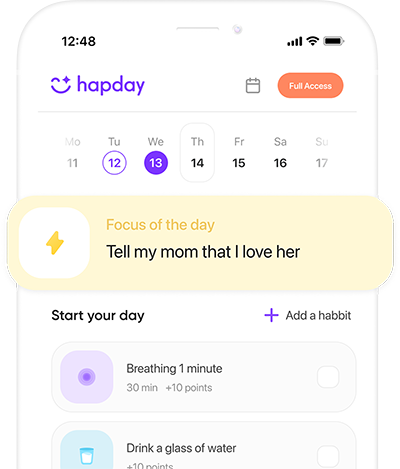
Mid-article tool worth knowing: If you’re leaning coach-side and want structure you can tap any time, AI coaching platforms like Hapday are designed for real-time problem solving. The 24/7 sessions and built-in habit and mood tracking make it easier to translate “insight” into an actual plan tonight, not next Tuesday. I’m biased toward anything that reduces friction between “know” and “do.”
The Fit Test: Culture, Identity, and Chemistry
Here’s a quiet truth you won’t see on most About pages: you’re allowed to be picky. Who you are—and who sits across from you—shapes the work.
- Identity and lived experience
- If you’re queer, a person of color, a first-gen professional, parenting solo, or managing chronic illness, you may want someone who gets it without a long preamble. That doesn’t mean sameness is required; cultural humility and curiosity also travel well. Use directories that let you filter by identity and specialties, and read for clues in how they write about care. I’ve seen the right cultural fit cut months off the “translation tax.”
- Style and structure
- Do you want a warm, reflective space or a direct, skills-forward approach? Weekly 50-minute sessions or shorter check-ins? Homework between sessions or not? It’s okay to ask for a sample: “Could you walk me through what the first month with you looks like?”
- Mini case study
- When Maya, 28, went through her divorce, she started with a therapist to process grief and panic. Three months later, when she felt steadier, she added a coach to rebuild routines around sleep, lifting, and dating. “I needed both: a place to fall apart and a plan to get up,” she told me. Naming phases made her decisions clear.
“If you’re a woman who’s been socialized to apologize for taking space, look for someone who won’t collude with that. You want a clinician or coach who will both validate and challenge you in service of your goals.”
— Dr. Aisha Rahman, LMFT and supervisor in community mental health
My opinion: warmth without backbone is comfort, not change.
The “How” of Vetting: Questions to Ask
You’re in the driver’s seat. Here’s what to ask in a free consult or first session. Use these even if you’re still choosing how to pick mental health coach or therapist for your specific needs.
- Training and scope
- “How did you train for this work? What licenses or certifications do you hold?”
- If therapy: confirm state license and any specialties (e.g., certified in CBT, DBT, ERP).
- If coaching: ask about accredited training programs and supervised experience. Clarify that they don’t diagnose or treat mental disorders.
- Methods and evidence
- “What approaches do you use for someone with my goals? What would progress look like here?”
- You’re listening for clarity, not buzzwords. A good answer connects your goal to a roadmap: specific skills, practices, and timelines, with room to adjust.
- Fit and process
- “How do you give feedback? How should I give you feedback if something isn’t working?”
- “How do we set goals and measure change over time?”
- Practicalities
- Availability, telehealth setup, communication between sessions, fees, receipts for reimbursement, cancellations, and privacy practices. Therapy practices should explain confidentiality and limits clearly. Coaches should set boundaries too (e.g., not an emergency resource).
“Ask yourself after the consult: Did I feel understood? Was there a plan I could actually picture? And did their energy make me want to show up again? Those three questions beat any credential alphabet soup.”
— Dr. Sarah Chen, clinical psychologist and lecturer in behavioral medicine
Red Flags and Green Lights
When you’re choosing how to pick mental health coach or therapist, trust both data and instinct.
- Red flags
- Guaranteed cures, dramatic before/after claims, pressure to commit immediately, vague answers about training, refusal to discuss methods, crossing boundaries (like texting late at night without prior agreement), or dismissing your concerns.
- For therapy: reluctance to discuss informed consent, privacy limits, or emergency planning.
- If a promise sounds like a billboard, step back.
- Green lights
- Transparent training and scope, collaborative goal-setting, willingness to explain the “why” behind methods, comfort with feedback, and a clear plan to track progress. You feel both cared for and accountable.
- My bias: humility plus structure is the winning combo.
Make It Practical: A 5-Step Plan to Pick and Start Strong
Here’s a simple, humane path you can follow this week—especially if analysis paralysis is a thing for you.
-
Name your top two outcomes
- Write them down in plain English. For example: “Sleep through the night without spiraling,” “Stop canceling on myself at the gym,” or “Process what happened last year so it stops sneaking up on me.” Two is plenty; more can blur.
-
Decide your lane (therapy, coaching, or both)
- Use the scope notes above. If you’re unsure, book one therapy consult and one coaching consult; let the conversations clarify. Better to compare live than guess from bios.
-
Shortlist three people
- Read bios for method clarity, not just vibes. If they mention CBT, DBT, ERP, or structured coaching with progress tracking, you’ll likely have a clearer roadmap.
-
Do consults with a script
- Open with: “Here’s what I want to change. How would you approach it? What does the first month look like? How will we know it’s working?” Notice if their answer turns your goals into steps you can see.
-
Start, measure, and adjust
- After three to five sessions, review: What’s different in my day? What skill did I actually use this week? Good care is iterative; say what’s helping or not, and your provider should adapt. If they can’t pivot, that’s your signal.
For some goals, it helps to pair your sessions with tools that keep you honest between appointments: brief mood check-ins, habit trackers, or breathing practices you can grab in one minute. That’s where platforms like Hapday can be helpful as a complement to human support—the combination of evidence-based coaching prompts and always-on availability makes the “do” part more realistic on busy days. I’ll take useful over perfect every time.
Therapy, Coaching, and Your Life: The Science Behind Why It Works
- Why CBT-style approaches work
- Thoughts, feelings, and behaviors reinforce each other. When you change the behavior (getting out of bed even when your brain says “don’t”), or you challenge a distorted thought (“If I rest, I’m lazy”), you interrupt a loop that keeps symptoms alive. Mayo Clinic’s overview underscores CBT’s structured, skills-based focus—and why it can help with depression, anxiety, PTSD, sleep problems, and more. The boring reps are the magic.
- Why tracking helps
- Your brain loves immediate rewards. When you track even tiny wins, you give your reward system a cue to keep going. Coaches who use mood and habit tracking tap into this neurobiology. It’s not busywork; it’s reinforcement learning for humans.
- Why the relationship matters
- Humans regulate each other. Feeling safe with someone who sees your strengths and limits reduces stress reactivity and opens up the learning centers of your brain. The APA emphasizes that a strong working alliance is a key ingredient in psychotherapy’s effectiveness, across modalities. If you feel consistently small in the room, it’s the wrong room.
Insurance, Costs, and Access Without Shame
Money is real. So is access.
- Insurance
- Many therapists accept insurance; many others are out-of-network but provide receipts you can submit for partial reimbursement. Ask your plan about behavioral health benefits, deductibles, and telehealth coverage. If you’re using a Health Savings Account (HSA) or Flexible Spending Account (FSA), therapy is usually eligible. One practical tip: call the number on your card during business hours and ask for “outpatient mental health” specifics—saves guesswork.
- Sliding scale and low-cost options
- Community clinics, training clinics at universities, and nonprofit organizations often offer reduced-fee therapy with licensed clinicians or supervised trainees. It’s okay to ask a private-practice therapist if they hold a few sliding-scale spots. The Guardian reported in 2022 that waitlists have grown across the UK; U.S. cities see similar strain, which makes persistence—not perfection—the strategy.
- Coaching costs and alternatives
- Coaching is rarely covered by insurance, but the cost can vary widely. If you’re considering coaching primarily for habits and stress, compare options that include structure you’ll actually use—like progress tracking and on-demand tools—so your investment translates into daily change. My rule: pay for systems, not slogans.
Your First Session: What to Expect and How to Make It Count
- For therapy
- Expect a structured intake: history, current symptoms, safety, goals. A good therapist will also explain confidentiality and its limits. You can ask: “Do you have a working diagnosis at this point?” and “How will that affect our plan?” These aren’t trick questions; they’re your right.
- For coaching
- Expect goal clarification and a plan for accountability. Ask: “How do we set milestones and review progress? What support exists between sessions?”
How to show up:
- Bring notes about what gets worse and better in your week.
- Be honest about constraints: time, childcare, money, energy.
- Ask for homework that fits your life (e.g., one 5-minute practice daily rather than a 60-minute routine that will die by Thursday).
What If It Isn’t Working?
It’s not you; it’s a data point. If after a handful of sessions you don’t feel any shift—no skills learned, no small wins, no clearer map—speak up. A skilled therapist or coach will adjust or help you transition. If you feel harmed or dismissed, you can file a complaint with a therapist’s licensing board. With coaching, you can end the relationship cleanly and seek someone more aligned with your goals. Progress has a feel; trust its pace, and ask for it.
A Quick but Vital Safety Note
If you’re in crisis—thinking about harming yourself, feeling unable to keep yourself safe, or experiencing a medical emergency—this is beyond coaching or routine therapy scheduling. Call your local emergency number right now. In the U.S., you can dial or text 988 for the Suicide & Crisis Lifeline for immediate support.
The Bottom Line
You just mapped how to pick mental health coach or therapist: clarify your goal, match it to the right method, vet for evidence and fit, and start small but steady. Tools don’t replace people, but they can help you turn insight into consistent action. If you want real support week by week, consider a companion you can reach anytime—Hapday (hapday.app) offers 24/7 AI coaching with mood and habit tracking to keep you moving between appointments.
References
- World Health Organization (WHO) — Mental disorders: Key facts
- National Institute of Mental Health (NIMH) — Mental Illness
- Centers for Disease Control and Prevention (CDC) — Trends in Use of Telehealth During the Emergence of the COVID-19 Pandemic
- Mayo Clinic — Cognitive behavioral therapy
- American Psychological Association (APA) — Psychotherapy
- Harvard Health Publishing — Should you get a health coach?
- Kaiser Family Foundation (KFF) — Mental health and the U.S. Household Pulse Survey (2021–2023)
- The Guardian — “Mental health waiting lists at record high” (2022)