



Table of Contents
- Why Movement Helps to Manage Stress
- Types of Movement Techniques for Stress Management
- How to Integrate Movement into Your Daily Life
- Refining Your Approach with Modern Tools
- Listening to Your Body
- Empowering Yourself Through Movement
- References
Key Takeaways
- Movement can significantly alleviate stress and improve mental clarity.
- Various techniques, such as mindful walking and yoga, can be easily integrated into daily life.
- Listening to your body is crucial in finding the right movement practices for stress relief.
- Consistent movement habits empower individuals to combat stress effectively.
When Maya, a 28-year-old freshly navigating her way through the daunting chasms of divorce, found herself tangled in its emotional aftermath, stress became her unwelcome shadow. Sleep eluded her, caught in a cycle of restless thoughts—and anxiety, that relentless specter, whispered fears at every corner. On a whim, devoid of expectations, she joined a dance class. The outcome? Unexpected. The rhythm and motion became her sanctuary, a reprieve from nagging worries. It was as if the act of moving to music had poured air into her soul, lightening her heart’s burden. Sometimes, it’s astonishing how movement can untangle the mess that words can’t reach.
Have you ever felt a wave of clarity after a brisk walk? Or found that a yoga session can transform an otherwise chaotic day into something manageable? You’re not alone—many have found solace in movement. The connection between movement and stress relief, indeed, is both profound and supported by science. Let’s take a closer look.
Why Movement Helps to Manage Stress
A stroll, a jog, or merely swaying to music—these aren’t just random actions. There’s science threading through them. When you move, your brain gets generous, releasing endorphins—nature’s own little perk-me-ups—lifting spirits and easing sleep, thus chopping stress levels down. A paper from Harvard Medical School outlines how exercise brings down adrenaline and cortisol, those stress-tagging hormones.
“Physical activity activates the brain’s reward system through endorphin release, something akin to the famed ‘runner’s high.'”
— Dr. Sarah Chen, Clinical Psychologist, NYU
It becomes a natural shield against stress.
There’s more. Movement provides a mental escape. When you’re lost in the rhythm of a run or struggling with a yoga pose, worries about bills or that looming deadline seem to evaporate, even if just for a while. It’s a blessed pause in the relentless re-run of negative thoughts many are familiar with.
Types of Movement Techniques for Stress Management
Not every step towards de-stress needs to be a sprint or long gym hours. Different strokes for different folks, right? Let’s explore some low-key but effective techniques to keep stress at bay.
1. Mindful Walking
Picture a gentle walk in the park—sunlight filtering through leaves, a soft breeze carrying the scent of cut grass. Mindful walking marries movement with meditation, urging you to be present, attuned to each step. It’s about tuning in to your body’s whispers, aligning your breaths with Mother Nature’s tempo.
Just spend ten minutes, maybe during lunch break, strolling—paying heed to the air in your lungs and the ground beneath your feet. It’s a subtle invitation to slow down, reconnect with yourself, and shoo away stress.
2. Yoga
Yoga, with its tapestry of poses and breaths, rooted in ancient wisdom, is celebrated for its soothing powers. A Harvard Health Publishing analysis underlines yoga’s impact—easing heartbeats, lowering blood pressure, and promoting a relaxed breathing pattern.
“Yoga is a therapeutic toolkit. It instills calm, emotional balance, and a mindful state of acceptance.”
— Dr. Amy Weintraub, Yoga Therapist
In short, yoga is that gentle nudge towards relaxing, an antidote to life’s tension.
3. Dance
Dance is more than a physical workout—it’s an emotional release too. When you dance, your mind shifts from life’s hassles and becomes attuned to the beat. Interestingly, this activity is scientifically proven to boost serotonin levels, enhancing mood significantly.
A University of Derby study suggests that regular dance classes notably reduce anxiety and depression in young adults. Whether you’re twirling alone in your room or moving with a group, dance offers an avenue to freely express and dispel stress with a flourish.
4. Tai Chi
With roots in ancient China, Tai Chi today reaches across the globe, practiced as a gentle art of movement and breath. Described often as “moving meditation,” it has a trove of evidence supporting its efficacy in stress management.
Research by the American Psychological Association points to Tai Chi’s benefits, especially its emphasis on balance, awareness, and postural alignment.
“The fluid choreography of Tai Chi dispels stress knots, fostering tranquility.”
— David Stern, Tai Chi Instructor
While mastering it takes time, the calm achieved is undeniable.
How to Integrate Movement into Your Daily Life
But how does one fit such practices into the daily grind? The trick? Sneak these movements into mundane activities. Here’s how:
- Active Breaks: Perch up, stretch—it lightens the strain of hours of sitting which chips away at both comfort and calm.
- Grocery Walks: Turn your trip to the store into a mindful meander. Hone in on each breath and stride.
- Desk Workouts: Even at your workstation, stock simple stretches to refresh both body and mind.
Refining Your Approach with Modern Tools
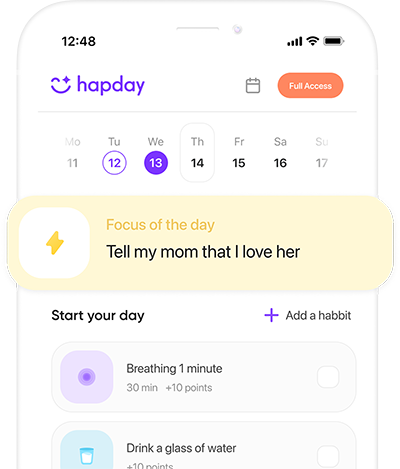
Structure boosts consistency. Platforms like Hapday—cherished by over 3 million—dish out resources blending movement and stress management. These tools, with habitual tracking and coaching, help you stay disciplined in stress-busting, no matter the chaos of your calendar.
Listening to Your Body
Stress relief isn’t just about movement; it’s about listening too. Your body’s subtle signals guide you to movements that fit your stress needs best.
“If a movement feels like battling a wall, pivot to gentler activities. Trust your body—it’s wiser than we often credit it for.”
— Dr. Greg Harper, Boston University
Empowering Yourself Through Movement
Finally, remember—movement isn’t just a task, it’s empowerment. It’s not a chore but self-care, a means to express yourself and heal. Consider it a tender appointment to nurture your body and spirit.
In managing stress, you’re your own ally. Consistent, resonant movement can erode stress’s hold, clear your thoughts, and fortify resilience over time.
Ready to dive deeper? Explore resources that harmonize these practices with your personal rhythm. Hapday, known for its 24/7 coaching support, stands ready to help you build and sustain habits that endure.
The Bottom Line
Incorporating movement into your daily life is a powerful tool in managing stress. By engaging in practices such as walking, yoga, dancing, or Tai Chi, you not only reduce stress but also foster emotional well-being.
References
- Harvard Health Publishing – https://www.harvard.edu/news/mind-body-exercises-effective-for-stress-management/
- National Institutes of Health – https://www.nih.gov/news-events/news-releases/study-puts-science-stress-reduction
- American Psychological Association – https://www.apa.org/news/press/releases/stress/2012/exercise
- Mayo Clinic – https://www.mayoclinic.org/healthy-lifestyle/stress-management/in-depth/exercise-and-stress/art-20044469
- University of Derby, Research on Dance and Emotional Well-being – https://www.derby.ac.uk/news/2020/study-shows-dancing-can-improve-mental-health-in-young-people/