



It’s 2 a.m., and the shadows on the ceiling are your only companions as your mind runs like an old cassette on repeat. You’ve tried counting sheep, but each baa leads to more unfinished tasks whispering through your thoughts. Sound familiar? If it does, you’re in the sizable—and often sleep-deprived—company of many Gen Z and millennials. But could the key to a restful night be just a few deep breaths away?
Table of Contents
- An Overactive Mind: Finding Calm Amidst Chaos
- Meditation and Sleep: The Unexpected Connection
- Understanding the Science Behind Meditation for Sleep
- Starting Your Meditative Sleep Journey: Steps to Take
- Blending Meditation into a Broader Sleep Hygiene Routine
- The Long Haul: Meditation Demands Commitment and Patience
- Overcoming Meditation Hurdles: What to Expect and How to Move Past
- Leveraging Technology for Your Meditation Journey
- Healing Your Mind for Restful Sleep
An Overactive Mind: Finding Calm Amidst Chaos
Meet Maya. At 28, this graphic designer living in bustling Austin finds her bed more a battleground than a sanctuary. Despite feeling drained, her mind spins with anxiety once the lights go out.
“I’d flop onto my bed exhausted,” she shares, “but my head would just start replaying the day’s chaos like the world’s worst DJ.”
— Maya, Graphic Designer
The National Sleep Foundation backs this up, noting about a third of adults toss and turn, battling insomnia’s relentless grip National Sleep Foundation.
Ever had those nights when your brain just won’t shut down? Blame cortisol, the stress hormone making it tough to doze off—it pushes you into alert mode. So, what can we do to soothe this restless mind? That’s where meditation steps in.
Meditation and Sleep: The Unexpected Connection
Dr. Sarah Chen, a clinical psychologist from NYU, sheds some light:
“Meditation boosts those alpha brainwaves linked with relaxation. With time, it reshapes your brain, leading to improved rest.”
— Dr. Sarah Chen, Clinical Psychologist
It’s not just ancient wisdom; science is catching on. For example, the JAMA Internal Medicine reported that mindfulness meditation can significantly enhance sleep quality in older adults wrestling with sleep woes JAMA Internal Medicine.
Understanding the Science Behind Meditation for Sleep
So how does meditation manage to weave its sleepy magic? By taming stress and anxiety—two of the biggest sleep disruptors. Meditation reins in cortisol and ramps up serotonin (a direct precursor to melatonin, the sleep hormone), easing you into slumber.
Meditation’s power lies in fostering “attentional stability.” Throughout the day, we swim in a sea of stimuli, cluttering our minds and making it hard to drift into a peaceful night’s rest. Meditation trains our brain to stay anchored in the moment, gently nudging away those pesky thoughts that keep us awake.
Starting Your Meditative Sleep Journey: Steps to Take
Pondering how to make meditation a part of your nighttime routine without adding more stress to your to-do list? Keep it simple. Here’s how:
- Set a Sacred Space: It doesn’t need an extreme makeover—just a quiet nook with a comfy seat will do.
- Breath Awareness: Focus on each breath. If thoughts intrude, let them drift, redirecting your focus back to inhaling and exhaling.
- Mindfulness Meditation: Welcome feelings and thoughts without judgment—especially soothing before bed.
- Guided Sleep Meditations: Try apps that offer bedtime-specific meditations. These help you stay on track and resist the urge to skip it.
- Body Scan: As you lie down, mentally trace your body from head to toe, unclenching tension. It helps signal your body that rest is near.
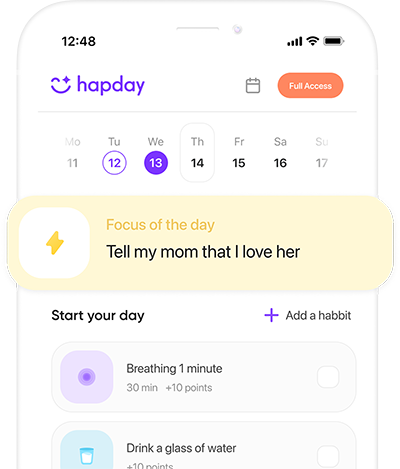
Imagine late-night calm as platforms like Hapday provide 24/7 guided meditations—no more tossing and turning till dawn.
Blending Meditation into a Broader Sleep Hygiene Routine
Meditation shines brightest when part of a full sleep hygiene routine. Habits that encourage restful sleep include:
- Stick to a Sleep Schedule: Rise and retire at the same time daily, supporting your body’s natural sleep-wake rhythm.
- Cut Screen Time: Blue light hampers melatonin. Power down devices an hour before bed.
- Pre-Sleep Relaxation: Do calming pre-bed activities, like reading or warm baths.
- Create a Sleep Sanctuary: Your room should beckon rest—think cozy mattress, blackout curtains, cool temps.
Maya revamped her bedtime rituals, adding ten minutes of meditation nightly.
“At first, it seemed odd to just sit and breathe,” she admitted. “But within a week, drifting off came easier, and I woke up feeling refreshed.”
— Maya, Graphic Designer
The Long Haul: Meditation Demands Commitment and Patience
Approach meditation with patience, open-mindedness, and no rush for immediate results. Like building body strength, strengthening the mind isn’t instantaneous. Dr. Chen suggests viewing meditation akin to physical exercise for the mind. With regular practice, sleep quality often improves vastly over time.
The joy should lie in meditation itself, more than in serving a purpose. As meditation becomes integral to your life, it might even transcend sleep, enhancing mindfulness and presence in your every day.
Overcoming Meditation Hurdles: What to Expect and How to Move Past
Some sail smoothly into meditation, while others hit speed bumps. Restlessness and intruding thoughts can be maddening. Dr. Chen advises:
“These bumps are normal. The key is responding wisely, not erasing distractions.”
— Dr. Sarah Chen, Clinical Psychologist
Here are tips to help navigate challenges:
- Start Small: For the overwhelmed, brief meditation spells can still yield benefits, especially when consistent.
- Find Anchors: Use scents or soft sounds as triggers to ease into meditation.
- Mindful Movement: Can’t sit still? Activities like yoga or tai chi merge movement with meditation, easing restlessness.
Leveraging Technology for Your Meditation Journey
While we often think of mindfulness as tech-free, savvy digital tools can enrich your practice. Hapday blends mood and habit tracking with breathing exercises and sleep-enhancing programs. When insomnia hits, their 24/7 live AI sessions keep you company and support your path to restful nights.
Healing Your Mind for Restful Sleep
Meditation offers a path to sweet dreams, blending mental peace with enhanced wakefulness. By weaving meditation into your nightly routine, you promote natural transitions into rest. Remember, meditation’s journey is as unique as you are, and what soothes one may differ for another.
Key Takeaways
- Meditation can help calm an overactive mind, paving the way for better sleep.
- Incorporating meditation into a bedtime routine can enhance sleep quality.
- Patience and consistency in meditation can yield significant long-term improvements.
- Combining meditation with good sleep hygiene practices is key to restful nights.
The Bottom Line
Meditation is a valuable tool for improving sleep quality and mental well-being. By integrating meditation into your nightly routine, you can promote relaxation and prepare your mind for restful sleep. Remember that each person’s meditation journey is unique; find what works best for you and enjoy the process.