



Table of Contents
- Understanding Childhood Trauma
- Resilience: The Antidote to Trauma
- Pathways to Resilience
- The Role of Community and Policy
- Wrapping It Up
- References
Understanding Childhood Trauma
Ah, childhood. A time teeming with possibilities and… well, sometimes unfortunate events. Let’s face it—life doesn’t always go the way it should, and childhood trauma can throw a wrench in our emotional and psychological gears. Can we weave resilience from such tangled roots? Absolutely. The road might be rocky, but the pathway to healing and personal growth is as real as it gets.
When we talk about childhood trauma, we’re delving into experiences that can reshape a child’s emotional world. The CDC (that’s the Centers for Disease Control and Prevention, in case you’re not up on acronyms) says roughly one in seven kiddos in the U.S. faced abuse or neglect just last year. Shocking, right? Such stats are hard to swallow, yet—sadly—they paint a picture we need to confront head-on.
Trauma isn’t a one-size-fits-all kinda beast. It comes in many forms—like physical, emotional, or even sexual abuse. Sometimes it’s about experiencing neglect, weathering natural disasters, or witnessing violence firsthand. The impact? It can mess with how a kid’s brain grows, affecting everything from stress handling to emotional regulation. Studies show early-life stress ups the chances of mental health tribulations down the line, including good ol’ PTSD (National Institute of Mental Health, 2020).
Resilience: The Antidote to Trauma
Resilience. Now there’s a word that feels like a superhero cape. It’s the ability to roll with life’s punches—or at least twist and dodge them a bit. It’s not just something you’re born with. Think of it more like a muscle you can build over time. For those who stumbled through traumatic childhoods, this skill set is like gold. It helps them deal with stress, come back swinging after setbacks, and—yes—lead happier, more fulfilled lives.
Promoting Protective Factors
What makes someone resilient? Let’s call them protective factors, and here are the biggies:
- Strong Social Support: Ever felt better after a chat with a good friend? You’re not alone. Positive relationships with family, buddies, or mentors act like a balm. A study in Child Abuse & Neglect backed up the idea that social support is crucial for building resilience (Cicchetti et al., 2016).
- Positive Self-Esteem: Feeling good about yourself—and not in a self-absorbed Instagram kind of way—can be a game-changer. Programs that boost self-esteem and assertiveness do wonders in cultivating a resilient mindset.
- Access to Mental Health Resources: Getting early intervention and therapy can set the stage for healing. Cognitive-behavioral therapy and trauma-focused therapy? They’re like the power tools in the psychotherapy toolbox (American Psychological Association, 2017).
Pathways to Resilience
Now let’s talk tactics. How does one foster resilience, especially when childhood dealt them a tough hand?
Cognitive Restructuring
This one’s all about identifying and re-jigging those pesky negative thought patterns. You know the ones—when the mind insists on playing the same bleak tune on repeat. By flipping this narrative, individuals learn to change their perceptions—allowing them to set down some of that heavy emotional baggage. A meta-analysis in Psychological Bulletin gave cognitive restructuring a thumbs-up for helping with depression and anxiety symptoms (Hofmann et al., 2012).
Mindfulness and Meditation
Take a breather. Really, mindfulness and meditation can work wonders for regulating emotions and cutting down stress. When life throws curveballs, these practices advocate responding thoughtfully instead of reacting reflexively. The Journal of Traumatic Stress found such interventions made a measurable difference in lowering PTSD symptoms (Kearney et al., 2012).
Developing a Growth Mindset
Carol Dweck talks about a “growth mindset” being the belief that your smarts and skills can grow with effort. It’s a perspective that, frankly, everyone could use a little more of—especially those tackling the fallout from childhood trauma.
The Role of Community and Policy
It takes a village, right? A supportive community and policy environment are key to nurturing resilience. Schools, neighborhoods, and governments can team up to make sure the necessary tools and support systems are in place.
Trauma-Informed Education
Schools adopting trauma-informed approaches matter big-time, teaching staff to recognize and sensitively respond to signs of trauma. The goal? Create safe, supportive spaces where everyone can thrive.
Public Awareness Campaigns
Getting the word out about childhood trauma must happen to break stigma and steer folks toward seeking help. Awareness can change perceptions and promote mental health and resilience as priorities.
Wrapping It Up
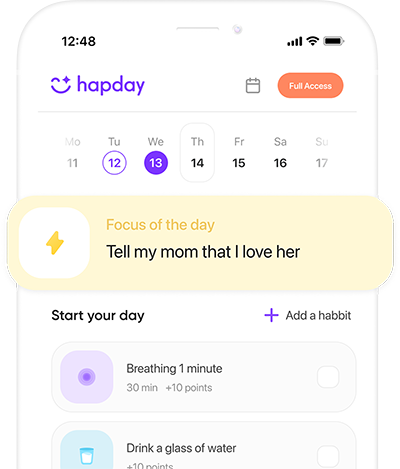
Childhood trauma can create hurdles big enough to make anyone stumble. Still, through resilience—along with growth—people can navigate life’s mazes and thrive. By honing protective factors, applying proven strategies, and nurturing supportive environments, we offer trauma survivors the tools to script fulfilling chapters of their life stories. If you’re on this journey, or helping someone who is, check out Hapday for resources that align with your needs.
References
- Centers for Disease Control and Prevention. (n.d.). Retrieved from: CDC
- Cicchetti, D., & Rogosch, F. A. (2016). Child Abuse & Neglect. Retrieved from: ScienceDirect
- National Institute of Mental Health. (2020). Retrieved from: NIMH
- American Psychological Association. (2017). Cognitive Behavioral Therapy. Retrieved from: APA
- Hofmann, S. G., et al. (2012). Psychological Bulletin. Retrieved from: PsycNet
- Kearney, D. J., et al. (2012). Journal of Traumatic Stress. Retrieved from: Wiley Online Library