



Table of Contents
- The Invisible Chains of Childhood Trauma
- The Science Behind the Impact
- Unpacking the Trauma
- Creating a Safe Space for Healing
- Building Resilience and New Narratives
- Leveraging Technology for Transformation
- Community and Connectivity
- Looking Forward: Embracing a New Future
Key Takeaways
- Childhood trauma significantly impacts emotional health and relationships, necessitating awareness and intervention.
- Therapeutic approaches like CBT and EMDR are crucial for healing, complemented by self-help strategies.
- Building a safe environment and fostering resilience empowers individuals on their healing journey.
- Community support, both online and offline, enhances recovery by sharing experiences and resources.
- Self-compassion is vital in reclaiming one’s narrative and moving forward beyond trauma.
The Invisible Chains of Childhood Trauma
First things first—what exactly is childhood trauma? It’s a legacy of unsettling experiences like neglect, abuse, witnessing violence, or living through serious accidents. The CDC points out that astonishingly, one in seven kids in the U.S. faces abuse or neglect each year. These adverse experiences often spiral into negative health outcomes—mental health disorders, substance issues, poor education, you name it.
What might this trauma feel like? Maybe it’s that gnawing anxiety in social settings, a crippling trust deficit, or explosive responses to minor slights. Picture a child watching a parental showdown too often; such scenes shape silent beliefs about love and self-worth—a script that runs long into adulthood.
The Science Behind the Impact
Beyond emotions and behavior, childhood trauma leaves a mark on the brain itself (and that’s not just a figure of speech).
“Prolonged exposure to stress hormones like cortisol during childhood modifies brain development, particularly areas related to emotion and fear regulation.”
— Dr. Sarah Chen, NYU
It’s no wonder adults struggle with emotions later on after a rocky start like that.
And the famed ACE study underscores this unsettling connection. Traumatic childhoods often lead to physical health woes, including heart disease and diabetes. Understanding this—it’s a firm push to seek healing—not just for emotional peace, but for enduring health benefits.
Unpacking the Trauma
Before paving a way forward, you’ve got to dig through the past. It’s a tough task and not one for the solitary. Therapies like Cognitive Behavioral Therapy (CBT) and Eye Movement Desensitization and Reprocessing (EMDR) have shown promising results in dealing with trauma.
“These therapies help to rewire traumatic memories by offering the brain a safe reprocessing environment.”
— Dr. Emily Garcia, Trauma Expert
Yet, therapy isn’t always immediately on hand. That’s where supplementary tools become a blessing. Think journaling, mindfulness, or apps like Hapday. Even at 2 a.m., when anxiety storms in uninvited, a resource like Hapday can offer you targeted exercises, shining a light in the darkest moments.
Creating a Safe Space for Healing
Embarking on a healing journey demands an environment filled with safety, not distress. It might mean cutting ties with toxic relationships or sidestepping environments that echo past traumas. Start small. Reshape your space—maybe it’s about having a peaceful corner at home or setting strict work boundaries.
Every little decision plays into a larger picture—a canvas where healing’s brush can confidently sweep. Remember, a space should offer both physical and emotional refuge.
Building Resilience and New Narratives
Healing is double-edged; it’s about purging pain and constructing anew. Resilience is the scaffold here—the ability to weather life’s storms with grace. Gratitude journaling, experts say, can be game-changing, switching focus from what’s wrong to what’s splendidly right.
Take Dana’s inspiring tale: once trapped by the fear of abandonment, she picked up affirmations as her daily ritual. “I am worthy of love,” she would remind herself every dawn. Slowly, fear made way for empowerment and self-love.
Consider reframe. Your past doesn’t dictate you; it teaches you. Maybe you’d like to view your history as a reservoir of strength, not sorrow. What lessons has it bestowed upon you? What empathy has it nurtured in you?
Leveraging Technology for Transformation
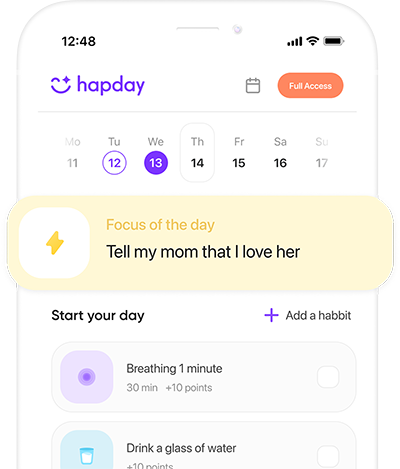
Today’s digital arena holds a treasure trove of healing tools. Tech like AI is democratizing mental health resources, breaking barriers of cost and location. Hapday, an AI-driven coaching app, is a beacon for over three million users—offering around-the-clock mental health support. Imagine chipping away at old patterns or increasing your understanding at any hour—Hapday’s got your back. Sure, it’s no replacement for a therapist, but it’s a mighty companion on this path.
Community and Connectivity
Going it alone in healing can feel like scaling Everest barefoot. Community—support groups, in the flesh or virtual, sharing stories and tips—is invaluable. Per the journal Social Science & Medicine, peer support can dramatically hasten healing, nurturing both emotional solace and practical survival strategies.
Dive into online forums where soul-baring discussions about trauma are welcomed. They confirm a powerful truth: you’re not facing this creature alone.
Looking Forward: Embracing a New Future
Healing from childhood trauma isn’t a straight road. It loops and winds, sometimes stalling—but that’s not failure. It’s a chance for deeper self-insight.
Embrace self-compassion.
“Treating oneself like a cherished friend can slash anxiety and depression, common in those with trauma ridged backgrounds.”
— Dr. Kristen Neff
Ultimately, breaking free is about reclaiming your narrative. Your past can be a chapter, not the whole saga. This isn’t about erasing—but loosening the chains that bind your present.
So, whether it’s through therapy, a community, or self-directed steps—understand that the power to change lies within, just waiting for you to light it up.
Ready to take that step? Hapday might have the key to unlock your healing journey. Their inner-child healing program could guide you day or night. Maybe it’s time to explore that path and see where it leads you.
The Bottom Line
Recognizing and addressing childhood trauma is a crucial step towards reclaiming your life and narrative. By engaging in therapy, utilizing technology, and fostering community connections, healing is achievable. Remember, your past is a part of you, but it doesn’t define you. Embrace the journey ahead—it’s time to flourish.
References
- CDC – Adverse Childhood Experiences (ACEs).
- Harvard Health Publishing – Self-compassion.
- Mayo Clinic – Eye Movement Desensitization and Reprocessing (EMDR).
- American Psychological Association – Resilience.