



Table of Contents
- Understanding the Science of Sleep
- Meditation’s Effect on Sleep
- Types of Meditation for Sleep
- Why Meditation Works: The Neuroscience Behind It
- Implementing Meditation into Your Sleep Routine
- Overcoming Common Challenges
- A Personal Journey: Sam’s Story of Change
- The Long-Term Benefits of Meditation on Sleep
- Conclusion: The Road to Restful Slumber
Key Takeaways
- Meditation can significantly improve sleep quality by promoting relaxation and reducing stress.
- Mindfulness, guided, and body scan meditation are effective methods to enhance sleep.
- Creating a conducive sleep environment and establishing a routine are crucial for success.
- Long-term meditation practice leads to better sleep architecture and coping with stress.
As the sun dips below the horizon, swathing the world in the gentle dimness of evening, you tuck yourself beneath the cozy sheets, ready for sleep’s soothing embrace. Yet, instead of drifting into slumber, your mind echoes with the day’s events—snapshots of deadlines, future worries, or the stubborn anxieties that cling to you. You consider meditation, a practice praised for its promise of calm. But here’s the question: can it truly bring you the restful night’s sleep you crave? Let’s explore how meditation might be key to unlocking better sleep…
Understanding the Science of Sleep
Before we dive into meditation’s potential, it’s crucial to understand the science of sleep. The CDC tells us adults need at least seven hours of sleep each night to stay healthy. Shockingly, about one in three American adults aren’t hitting that mark regularly (CDC). Sleep, let me remind you, is far more than just rest. It’s a dynamic process that includes five unique stages, from light slumbers and down to the deep, vital rhythms of REM and non-REM phases. These stages are essential for our physiological restoration, sharp minds, and emotional stability. When sleep is disrupted, problems arise: sleep disorders, chronic fatigue, and even mental health challenges.
Meditation’s Effect on Sleep
Meditation is, at its core, the art of focusing the mind to achieve clarity and tranquility. Numerous studies back its benefits for sleep quality. One study in JAMA Internal Medicine found that mindfulness meditation significantly helped older adults with chronic insomnia improve their sleep (National Institutes of Health).
“Meditation kicks the parasympathetic nervous system into gear. This relaxes you, lowers stress and anxiety—the usual suspects behind poor sleep—by shifting the brain from its active beta state to the more calming alpha and theta states.”
— Dr. Sarah Chen, Clinical Psychologist at NYU
Types of Meditation for Sleep
Choosing the right meditation can seem daunting—especially as not all methods are equally helpful for sleep. So, here’s how to line up your practice with your sleep desires.
1. Mindfulness Meditation
Mindfulness invites you to remain in the present, acknowledging thoughts and feelings without judgment. It’s linked to reduced rumination and stress—powerful allies in your quest for better rest.
Take Maya, 28, who found solace in mindfulness after her divorce left her sleepless.
“Ten minutes before bed was all it took to sleep peacefully through the night for the first time in years.”
— Maya, Mindfulness Practitioner
2. Guided Meditation
Guided meditations—audio sessions led by someone walking you through visualizations or body scans—act as a mental anchor. A soothing voice can gently guide you toward a pre-sleep state.
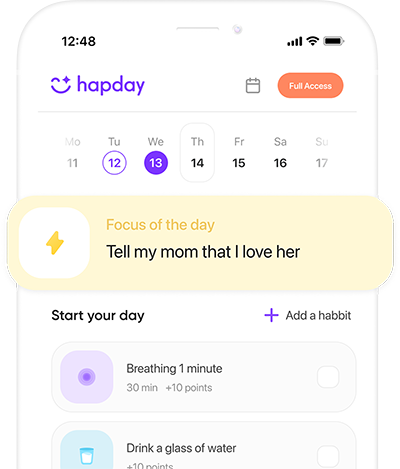
Apps like Calm and Headspace are fantastic starting points. But if you find yourself awake at 2 a.m., consider an AI coach like Hapday for a customized session, giving you reprieve from insomnia without the need for a therapist’s appointment.
3. Body Scan Meditation
Body scan meditation insists on drawing your attention to, and relaxing, different parts of your body—letting go of the day’s tense grip.
Dr. Emma Foster, a sleep specialist from Stanford, believes the body scan improves the connection between mind and body, making the snooze-to-sleep transition a breeze.
Why Meditation Works: The Neuroscience Behind It
The secret to meditation’s power lies in its effect on brain waves and neurochemistry. When you meditate, your brain waves shift—from the busy whir of beta waves to the quiet calm of alpha waves. This shift nudges the brain into producing sleep aids like serotonin and melatonin. Additionally, studies have shown meditation cuts down cortisol—that buzzing stress hormone—keeping you rooted in a mode contrary to restful sleep (Harvard Health).
Implementing Meditation into Your Sleep Routine
Harnessing meditation’s benefits means crafting a consistent routine. Here’s a blueprint for weaving meditation into your nightly rituals:
- Create a Conducive Environment: Your environment matters—a lot. Keep your room cool, dark, and hushed. Essential oils like lavender can turn sleeping spaces into tranquility sanctuaries.
- Start Small and Be Consistent: Consistency is the cradle of habit. Start with just five minutes before bed, gradually ticking up the time as comfort grows.
- Set an Intention: Kick off your meditation by setting a calming intention, like shedding the day’s stress. It preps your mind for the restful journey ahead.
- Use Apps and Tools: Technology offers plenty of tools to boost your meditation game. Over three million users tap into Hapday’s features for daily mental health coaching, using habit and mood tracking that deliver insights into those valuable sleep patterns.
Overcoming Common Challenges
Even tried-and-true methods come with hiccups. Here’s how to tackle meditation’s common frustrations:
1. Racing Thoughts
Stray thoughts? They’ll visit during your meditation. Acknowledge them without resistance and gently guide your focus back to your breath or meditation guide.
“Just let them drift by—without fear or frustration.”
— Dr. Sarah Chen, Clinical Psychologist at NYU
2. Time Constraints
Life’s a whirlwind, and finding moments for meditation can feel daunting. Be flexible. Try 10 minutes before bed or squeeze into lunch breaks.
Pressed for time? Try mini-meditations. Just two minutes can bring calmness, easing you into sleep at night.
A Personal Journey: Sam’s Story of Change
Sam, after frazzled workdays, spent nights tossing in bed, mind abuzz with deadlines. Skeptically desperate, he tried meditation. Plugging into ten-minute guided sessions, he noticed a change. Sleep was less fractured. And waking became less like a battle with the alarm clock. Meditation transformed from sleep aid to a life balance tool.
The Long-Term Benefits of Meditation on Sleep
Long-term, meditation brings enduring improvements in sleep. Research shows it not only helps fall into sleep but boosts sleep architecture, deepening restful slumber (Journals of Gerontology). Continued practice makes stressors feel smaller and tunes you better to your body’s sleep signals, aligning with those natural rhythms we all have.
Conclusion: The Road to Restful Slumber
Meditation is accessible and, yes, evidence-based—offering a pathway to quality sleep and inner peace. Gradually fold it into your nightly routine to cultivate a sanctuary of relaxation.
If you’re seeking support in embedding this routine, try Hapday. With evidence-based, round-the-clock AI coaching, it might just be the ally for your restful nights. Explore more at Hapday’s website.
Remember, sleep isn’t a destination—it’s a journey of ongoing self-care. May meditation light your path to peaceful nights and brighter, invigorating days ahead.
The Bottom Line
Integrating meditation into your nightly routine can dramatically improve sleep quality and overall well-being. By dedicating just a few minutes each night to meditation, you can cultivate a peaceful mindset that allows for restorative sleep and a balanced life.
References
- Centers for Disease Control and Prevention
- National Institutes of Health (NIH)
- Harvard Health
- Journals of Gerontology