



Table of Contents
- Understanding Stress and Its Effects on the Body
- The Science Behind Movement and Stress Reduction
- Techniques of Movement to Manage Stress
- Finding Your Groove: Incorporating Movement into Daily Life
- When It’s 2 AM: Managing Stress in Real Time
- Overcoming Barriers: What If I Can’t Move?
- The Bigger Picture: Movement as a Stress Management Lifestyle
Key Takeaways
- Movement is a powerful tool for managing stress effectively.
- Incorporating different physical activities can significantly improve mental well-being.
- Consistency and enjoyment in movement are essential for long-term benefits.
- Accessible options exist for everyone, regardless of physical limitations.
- Hapday is a helpful resource for structured support in stress management.
On a dreary Thursday morning, Emily, a 32-year-old marketing executive, found herself seated on her kitchen floor, an unexpected space for a moment of reckoning. The universe, it seemed, had chosen that morning to hurl its entire weight upon her. Her go-to morning routine had already crumbled, a casualty of another sleepless night plagued by thoughts of looming work deadlines. It felt overwhelming—too much all at once. But instead of surrendering, she chose a pair of yoga pants and a dance of resilience. And thus started a journey that would redefine her battle with stress.
Stress. It’s woven into the chaotic tapestry of our modern era, often becoming such a mainstay that it feels inseparable from daily life. For countless women balancing career intricacies, personal promises, and social escapades, it’s heavy. Yet, the antidote isn’t always in a therapist’s comforting chair or lengthy meditation. Sometimes, it’s the rhythm of moving—simple, transformative.
Understanding Stress and Its Effects on the Body
Stress, explained in biological terms? It’s a reaction. A fight-or-flight call when a threat looms large. Your body, in response, releases a cocktail of hormones—adrenaline here, cortisol there. In a pinch, it’s life-saving. But, when stress lingers around like an uninvited guest, it morphs into a rogue, damaging mental well-being, inviting heart issues, depression, and anxiety to the party.
“Our bodies were never meant to be stress harbors for prolonged periods. It’s like a machine running beyond its limits—eventually, something gives.”
— Dr. Linda Carver, Stress Management Specialist, Columbia University
So, this profound understanding underpins why effectively managing stress—through movement—is essential.
The Science Behind Movement and Stress Reduction
For a while now, science has dipped its toes into understanding the link between physical activity and mood. Get this: exercise boosts endorphins, those delightful “feel-good” neurotransmitters, and stimulates growth factors in the brain, enhancing its functionality.
According to a 2019 piece in The Lancet Psychiatry, folks who embraced regular exercise reported a 43% reduction in poor mental health days compared to their less active peers. It’s more than a distraction; it’s a reset switch, realigning mind and body to handle stress better.
There’s a meditative heart in movement too. Imagine running, dancing, or even stretching—you’re in sync, absorbed in repetition, and somehow, the mind clears, giving emotions a chance to breathe.
Techniques of Movement to Manage Stress
- Yoga: The Art of Balance
Yoga, a less physical exercise and more a dance of breath, reflection, and movement. Its essence diminishes stress, building flexibility and strength in its wake. Maya, at 28, stumbled upon this during her divorce—weekly yoga offered her an oasis of calm in an emotional tempest.
“In yoga, mindfulness centering can redefine stress response significantly.”
— Dr. Sarah Chen, Clinical Psychologist, NYU
And maybe that’s why Harvard Health Publishing nods to yoga’s impressive cortisol-bashing, mood-boosting prowess.
- Running: The Natural Antidepressant
Running may seem an unlikely zen practice, but many find placid rhythm in each footfall against the pavement—a moving meditation. From the University of Georgia’s corridors spills a study revealing that just 20 minutes of moderate aerobic activity stirs a positive emotional cocktail.
When night draws and worries swirl, imagine grabbing your shoes for a quick run, clearing cluttered thoughts with each stride.
- Dance: Joy Through Movement
There’s a unique joy in dancing—a liberation through expression. Research in the American Journal of Dance Therapy underscores its power to punch depressive symptoms down.
Consider platforms like Hapday, where over 3 million people seek mental health guidance, recommending dance as a practical, joyous stress-buster. Each dance step leaves stress behind—your personal escape.
- Tai Chi: Harnessing Energy
Slow, intentional movements, focused breaths—Tai Chi is an energy steward. The NIH discovered its stress-hormone-slaying abilities, making it a friend to older adults or those with mobility hurdles. Envision a calming wave erasing the sea of worries.
- Strength Training: Building Resilience
Beyond muscle development, strength training nurtures mental fortitude. As resistance meets persistence, life’s stressors are mirrored, pushing body and mind to endure and conquer.
Initially unfamiliar, Jane’s gym experience unveiled this stress-relieving gem.
“Strength training informs a focus and builds an armor of confidence against stressors.”
— Dr. Michael Byron, Wellness Maestro, Stanford
Finding Your Groove: Incorporating Movement into Daily Life
Just where to start with infusing movement into daily stress antidotes? Let’s highlight the basics first—it’s about consistency, enjoyment, and attainable goals.
- Start Small: A 10-minute stroll during lunch—simple beginnings.
- Schedule It: Prioritize movement, like any crucial appointment.
- Find Enjoyment: Walk, jog, dance—select activities you adore.
- Buddy System: Consider a class, or partner up. Shared fun boosts engagement.
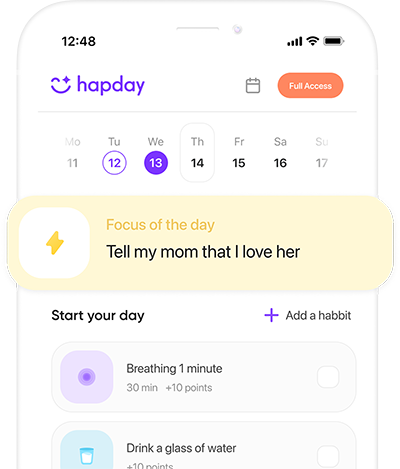
- Check In: Tools like Hapday let you track mood and see progress, celebrating little victories.
When It’s 2 AM: Managing Stress in Real Time
Picture this: 2 AM, your mind untamed. Hapday AI coach apps whisper guidance for immediate stress-busters, ensuring comfort even when the world’s blanketed in sleep. It’s about accessible solace in those personal moments.
Overcoming Barriers: What If I Can’t Move?
What happens if movement feels impossible? Physical barriers need not dissuade. Chair yoga, seated Tai Chi, or light arm weights are valid alternatives. Health providers can help tailor activities, ensuring they sync with personal capabilities. Just remember, the goal: craft movement that’s yours—not anyone else’s.
And perhaps, it’s also using movement as self-expression over performance metrics.
The Bigger Picture: Movement as a Stress Management Lifestyle
Incorporating movement? It’s not just a reaction to stress for Emily—it was revolutionizing her challenge approach, igniting a deeper peace, and enriching life’s texture. An innate reminder of strength, joy, and harmony—all whispering, “You’ve got this.”
The Bottom Line
Ultimately, managing stress through movement embodies balance, mindfulness, and self-compassion. For those seeking structured support, Hapday serves as a guide, offering specialized programs and 24/7 coaching, leading the charge in sustainable mental health practices. Experience more at hapday.app.
References
- Harvard Health Publishing
- The Lancet Psychiatry
- American Journal of Dance Therapy
- NIH (National Institutes of Health): Tai Chi Studies
- University of Georgia: Exercise and Mood Research