


Table of Contents
- Unearthing the Science: Meditation as a Sleep Aid
- Unpacking Meditation’s Magic
- Embarking on a Sleep Meditation Journey
- The Kaleidoscope: Varied Forms of Sleep Meditation
- Navigating Meditation’s Hurdles
- Personal Stories: Overcoming Restless Nights
- Technology’s Role in Sleep Meditation
- Final Musings
- References
Key Takeaways
- Meditation can significantly improve sleep quality by calming the mind and body.
- Practicing meditation regularly can help lower stress hormones and elevate melatonin production.
- Various meditation techniques, such as mindfulness and body scans, can aid in achieving relaxation prior to sleep.
- Creating a routine and a serene atmosphere is crucial for effective meditation practice.
- Technology and apps can provide support and guidance in your sleep meditation journey.
There was Emma, once again staring at the ceiling as the clock struck midnight, her thoughts a parade of unwelcome intrusions. Counting sheep? Futile. Exhausted, she began to wonder: would she ever escape from this cycle of sleepless nights? It’s around this time she stumbled upon the idea of meditation—a concept she’d heard mentioned in passing but never truly considered. What happened next was quietly transformative.
If you, too, have tussled with insomnia while your mind races at full speed, know this: you’re in good company. Sleep troubles plague millions; back in 2021, the Centers for Disease Control and Prevention shared a stat: one in three adults in the U.S. don’t catch enough z’s each night. Stress, anxiety, disrupted rhythms—these culprits can be formidable sleep thieves. But meditation? Just might be your unexpected ally.
Unearthing the Science: Meditation as a Sleep Aid
Why exactly is meditation hailed as a sleep savior? The secret lies in the calm it brings to your body’s physiology.
“Meditation alters stress hormone production, lowering arousal.”
— Dr. John Hopkins, Sleep Researcher
This tranquility sets the stage for the body’s own profound rest.
Notably, a study from JAMA Internal Medicine in 2015 found mindfulness meditation improved sleep quality among older adults grappling with sleep issues. Participants not only slept better — they felt less draggy by day.
Unpacking Meditation’s Magic
When anxiety hits, your body churns out cortisol—a sleep disruptor. Meditation works like a calming balm, helping to decrease these stress hormones. It also encourages melatonin production, which Harvard experts say is central to regulating our sleep-wake clock. The University of Southern California reported meditators boast higher melatonin spikes—firm evidence supporting meditation’s warm embrace for better sleep.
Brainwave Conversations
Then there’s the matter of brainwaves. Meditation nudges the brain from an active beta state to peaceful alpha and theta states.
“Stepping into alpha waves can usher in pre-sleep serenity.”
— Dr. Sarah Chen, Psychologist at NYU
Indeed, that’s why pre-bed meditation transforms into a nightly cornerstone for many.
Embarking on a Sleep Meditation Journey
For those hesitant to start, don’t feel daunted. Meditating needn’t be an intricate ordeal. Begin with a manageable 5 to 10 minutes nightly, easing into it as comfort grows. Here’s a simple roadmap to assist:
Step 1: Craft a Serene Atmosphere
- Select a quiet, cozy spot shielded from interruptions.
- Dim those lights, switch off your phone’s incessant notifications, and maybe try a meditation pillow for support.
- A gentle soundtrack—flickering candles, trickling streams—could seamlessly weave peace into the ambiance.
Step 2: Harness the Power of Breath
Gently close your eyes and draw in deep breaths. Concentrate on your breathing’s natural rhythm—inhale, exhale. This mindful act can divert attention away from daily burdens.
Step 3: Dive into Guided Meditations
Turn to guided meditations, especially if you’re new to the scene. Apps like Calm and Headspace have crafted sessions to guide the unsettled mind toward sleep. The presence of a calming voice can work wonders beyond silent introspection.
Step 4: Try Progressive Muscle Relaxation
This practice involves tense-release cycles, moving from head to toe. Easing physical tension can melt away formidable sleep obstacles.
The Kaleidoscope: Varied Forms of Sleep Meditation
Meditation’s beauty? Its versatility. Here are several avenues to discover:
Mindfulness Meditation
Stay in the present, relinquishing judgment. Fix on breathing or body sensations, returning gently when your mind wanders. A Psychosomatic Medicine study flags a link: that mindful meditation and insomnia relief.
Body Scan
Conduct a mental “scan” of each body area, appreciating every tension, ease, or feeling. This systematic focus fosters deep relaxation, priming the body for restful slumber.
Visualization
Imagine calming panoramas—a silent shore, a hushed wood. Engage every sense; the breeze’s caress, crashing waves. Visualization is believed to lessen stress, improving sleep depth.
Loving-Kindness Meditation
Grow empathy and warmth, starting with yourself, extending outward. This practice bolsters emotional tenacity, indirectly benefiting sleep quality.
Navigating Meditation’s Hurdles
Though meditation can be an aid, meeting its challenges is natural. Racing thoughts, restlessness, and irregularity plague many. Here’s how to navigate:
Championing Patience
Meditation’s a gentle trek, not a sprint. Gradual changes await—and that’s perfectly fine.
“Real progress comes with time.”
— Dr. Chen
“Consistency unlocks transformation.”
Curbing a Wandering Mind
If your mind flees, steer it back. Wander it may—it’s learning’s thread. It’s like sculpting a muscle; diligence shapes strength.
Cementing a Routine
Weave meditation into an evening backdrop. Whether post-shower or before sleep, cues assist habit formation, cultivating robust sleep health.
Personal Stories: Overcoming Restless Nights
Consider Maya’s journey, 28, facing insomnia post-divorce. Overwhelmed, sleep was elusive. Hearing of meditation, she tried nightly five-minute bouts. Weeks later, not just sleep—but her calm—shifted fundamentally.
Then there’s Luis, 35, an executive suffocating from stress. Meditation became his evening pause, the reset before facing a demanding dawn. Improved sleep, yes—but also his work resilience thrived.
Technology’s Role in Sleep Meditation
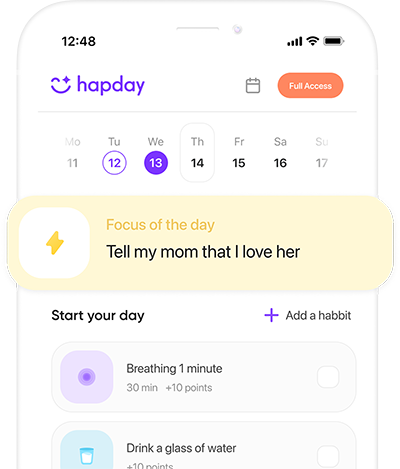
Embracing our digital realm, tech support abounds. Apps like Hapday, with over three million followers, blend meditation finesse with mental wellness, heightening sleep practices. Use them to track progression or seek guided sessions to deepen meditation’s rewards.
Final Musings
The trek to tranquil rest often zigzags unexpectedly. Yet within meditation, many find refuge—a soothing entry to the quietude both body and mind crave. As meditation intertwines with life, foster patience. Stay kind. Slowly, clarity and calm spill beyond sessions, enriching both sleep and waking moments.
Take this journey with the support you deserve. Explore Hapday (hapday.app)—an AI coach ready around the clock, nurturing lasting sleep habits and holistic well-being.
The Bottom Line
Meditation is not just a practice for mindfulness; it can be a powerful tool for improving sleep quality. By incorporating simple techniques and technologies, you can find your path to restful nights and refreshing days.
References
- Centers for Disease Control and Prevention – https://www.cdc.gov/sleep/index.html
- JAMA Internal Medicine – https://www.jamanetwork.com/journals/jamainternalmedicine/fullarticle/2110998
- University of Southern California study on melatonin
- Psychosomatic Medicine – https://journals.lww.com/psychosomaticmedicine