



Table of Contents
- The Science Behind Stress and Movement
- Why Movement Works for Stress
- Types of Movement That Help Manage Stress
- Incorporating Movement Techniques into Daily Life
- Stress-Relieving Movement Case Stories
- The Importance of Support and Community
- Conclusion: The Gift of Movement
- References
Key Takeaways
- Movement is a powerful and accessible tool to manage stress effectively.
- Different forms of movement, from yoga to aerobic exercise, can significantly reduce stress levels.
- Incorporating simple movement techniques into daily life can greatly enhance mental well-being.
- Community support can amplify the benefits of movement for stress relief.
The Science Behind Stress and Movement
Stress is more than a nuisance; it’s a biological alarm bell meant to keep us safe. But when it hits a never-ending crescendo, well, that’s when the problems start. Chronic stress wreaks havoc on both body and mind. Back in 2018, a Lancet Psychiatry study spotlighted how regular physical activity can hugely reduce mental health burdens, especially stress. The science is simple: movement releases endorphins, our feel-good brain chemicals, while lowering adrenaline and cortisol, those pesky stress hormones.
“Exercise isn’t just a temporary fix. It’s a balm that rewires the brain, bringing a deeper sense of calm.”
— Dr. Sarah Chen, NYU
Why Movement Works for Stress
Imagine your mind as a container, steadily filling up with stress — each annoyance, each little worry, another drop — until it spills over. Movement serves as a much-needed outlet, easing the pressure.
Fast forward to 2021, the CDC revealed adults engaged in regular exercise show fewer signs of stress or anxiety compared to those who don’t. The beauty of movement as a stress buster lies in its simplicity and accessibility. You don’t need a ritzy gym membership to tap into its benefits.
Types of Movement That Help Manage Stress
- Yoga: The Mind-Body Connector
Picture Maya, 28, navigating life post-divorce, initially skeptical of yoga’s power. Yet, it became her solace. She reflects, “Yoga felt like shedding the weight of the world, one session at a time.”
Yoga is a symphony of poses, breathing, and meditation. A 2019 Frontiers in Psychology study found it slashes cortisol levels, boosting overall well-being. - Tai Chi: Moving Meditation
An art from ancient China, Tai Chi is like “meditation in motion.” It pairs slow, deliberate movements with deep breaths. Dr. Richard Ko, a Tai Chi aficionado, notes: “Its rhythm is like gentle waves — soothing and grounding. Perfect for stress relief.”
Tai Chi has been shown to better emotional stability and increase a sense of peace. - Aerobic Exercise: The Cardiovascular Savior
Aerobic activities, walking, jogging, or cycling, raise your pulse and pump oxygen throughout the body. They not only boost your physical health but also elevate mood and mental clarity. The Harvard Medical School mentions a quick ten-minute brisk walk can lighten your mood.
Pro Tip: When it’s the middle of the night and thoughts are racing, an app like Hapday might just help you sort through it all without waiting for an appointment. - Dance: Expressive Freedom
Dance merges movement, rhythm, and music into a powerful cocktail for stress relief. Dancing releases dopamine, providing an elation that counters negative thoughts. Be it salsa, hip hop, or ballet, dance lets you express and purge bottled-up emotions.
Sarah, a seasoned ballroom dancer, describes it as “a sanctuary where worries fade away, and the music guides the soul.” - Breathing Techniques: Subtle Yet Profound
Don’t underestimate breathing exercises — movement on a subtler scale. They work by calming the parasympathetic system. Think of diaphragmatic breathing, focusing on deep breaths right into your belly. Easy to do anywhere, and keeps stress at bay.
Incorporating Movement Techniques into Daily Life
Start small. If your schedule is bursting at the seams, introducing movement may feel daunting. But, it needn’t be. Sneak movement into everyday life. Walk or cycle if you can, take stairs over elevators, or slot in a quick dance in your living space — an instant mood booster. Consistency is the secret ingredient, so find your joy and make it habitual.
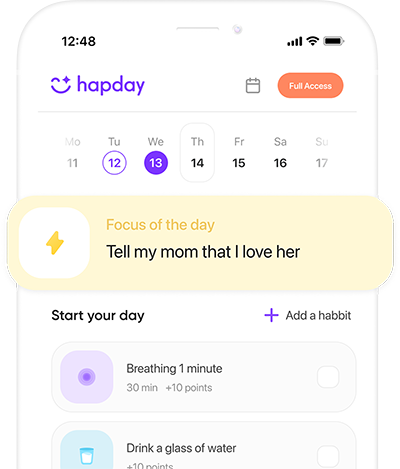
Tools like Hapday, which captivates over 3 million users with its mental health coaching, offer structure and motivation.
Stress-Relieving Movement Case Stories
Meet Jessica, a college student juggling academics, a part-time gig, and her social life. Stress-induced sleeplessness loomed until a Zumba class lured her in. Sleep, mood, and energy soared after just a few sessions.
Similarly, Mark, a corporate attorney, dove into swimming. Its rhythmic strokes and buoyancy provide peace amidst a chaotic work life. “Swimming’s solitude is meditative,” he reveals. “It’s my underwater escape.”
The Importance of Support and Community
Being part of a community amplifies movement’s benefits. Whether it’s your neighborhood jogging group, community yoga, or online Tai Chi forums, shared interests offer accountability and encouragement.
In embarking on this journey, explore both local and virtual communities. They enrich with diverse tips and a collective vibe that amplifies your newfound passion.
Conclusion: The Gift of Movement
Movement melds body care with mind healing, harmonizing stress relief. Whether in yoga’s discipline, Tai Chi’s elegance, running’s vigor, or dance’s liberation, what matters most is intention.
Setting these strategies into motion becomes effortless with the right support. Hapday — embraced by over 3 million — is ever-ready to build sustainable habits. As you weave these techniques into your life, you’ll find your rhythm and the inner strength to dance through life’s ups and downs.
References
- The Lancet Psychiatry
- Frontiers in Psychology
- Harvard Medical School
- Mayo Clinic
- Centers for Disease Control and Prevention
The Bottom Line
Movement is an accessible and effective strategy for managing stress. By integrating various movement techniques into daily life, individuals can not only improve their mental health but also foster a sense of community and support that enhances their journey toward well-being.