



Table of Contents
- Understanding Stress on a Physiological Level
- Why Movement Helps: A Deep Dive into Science
- Techniques to Manage Stress with Movement
- Movement as a Daily Habit
- How to Incorporate Movement Techniques into Your Life
- The Future of Stress Management Through Movement
Understanding Stress on a Physiological Level
It’s crucial to grasp what stress does to your body before diving into any counter tactics. A stressful situation set off a chain reaction within us. Adrenaline and cortisol — those well-known hormones — jump into action, prepping us for a fight or flight. Our senses sharpen, energy peaks.
“Short bursts of stress can keep us sharp and focused. But, living with chronic stress is another beast entirely. It puts the body on red alert, causing no end of harm.”
— Dr. Sarah Chen, Clinical Psychologist at NYU
All that stress isn’t just a mental merry-go-round—it puts your physical health in the crosshairs too. Cardiovascular troubles, anxiety, depression—the whole works can follow. But here’s an optimistic twist: Movement can effectively soothe the storm stress wages on our system. Harvard Medical School emphasizes how exercise lowers those stress hormones and sparks endorphins—nature’s own pick-me-up.
Why Movement Helps: A Deep Dive into Science
Movement taps into our body’s natural self-healing prowess. Physical activity floods our system with endorphins, a built-in stress-buster. But even beyond the chemicals, movement offers a mental pause, a chance to step away from the unending worry wheel. A good sweat session doesn’t just lift the immediate burden but promises a long-term mood boost.
“The regular rhythm and effort of physical activity don’t just brighten your mood; it aids your thoughts, sleeps, and overall stress. It’s more than just sweating it out—it’s about finding movement that resonates with your entire being.”
— Dr. Layla Patterson, Sports Psychologist, Stanford
Techniques to Manage Stress with Movement
Let’s check out some movement techniques that promise stress relief.
Yoga: The Mind-Body Connection
Yoga transcends mere poses and stretches. Imagine it as a holistic symphony of mind and body—binding physical stances with breath, meditation, and ethical roots. Maya, freshly 28 and navigating the aftermath of a divorce, found solace in yoga’s embrace. It was her island of peace, a place to anchor amidst chaos.
Multiple studies, such as a 2017 meta-analysis from Psychosomatic Medicine, validate yoga’s role in slashing stress. The methodical breathing, focused movements, and meditation come together as a formidable stress foe.
Dancing: Expressive, Creative, and Liberating
Craving something more vibrant? Dancing just might be your outlet. Picture stepping into a dim room, music enveloping you, as you dance your stress away. The true beauty of dance lies in its freedom and wordless expression.
Evidence paints a supportive portrait—dancing can lift moods and cut stress significantly. A study noted in the Journal of Applied Psychology found that even a single dance session could drastically uplift spirits.
Tai Chi and Qigong: Movement Meditation
From ancient China, we receive Tai Chi and Qigong, the duo of mindful movements and meditative breaths. Dubbed “meditation in motion,” these practices weave calm into the chaotic fabric of stress.
Research in Evidence-Based Complementary and Alternative Medicine backs this up, showing reductions in anxiety and depression symptoms. Imagine it’s 2 AM and your thoughts run wild—here’s where Tai Chi’s slow flow can restore balance. AI platforms like Hapday offer structured ways to weave these practices into the fabric of daily life for 3 million users.
Running and Walking: Back to Basics
Never underestimate the basics—running and walking. As some of the most accessible exercises, they provide cardiovascular perks and endorphin-induced serenity.
Though running may seem daunting, walking beautifully fits a gentler approach. Whether jogging through the park or taking a neighborhood stroll, syncing with your breath can melt tension away.
Movement as a Daily Habit
Could infusing movement daily be your stress antidote? It’s less daunting than you might think. Start with morning yoga, a quick afternoon ambulation, or night-time grooving. Here’s why it matters:
- Routine builds resilience: Routine movement fosters resilience to stress by bolstering brain’s functioning and self-control—areas stress often wages war against.
- Embodiment realigns your mental focus: Physical activity redirects attention from overwhelming stress to the now, nurturing constructive thought cycles.
- Physical intervention aids emotional regulation: Active physical engagement provides a pathway to process and release stress-tangled emotions.
How to Incorporate Movement Techniques into Your Life
Wondering how to realistically inject these techniques into your bustling life? Here’s how to start:
- Book it like a boss: Slot your movement in the calendar like any vital meeting. It’s sacred, non-negotiable time for you.
- Seek community camaraderie: Many cities offer free or low-cost classes for yoga, dance, or Tai Chi, often in parks. These classes don’t just nurture fitness but enrich human connections.
- Keep it diverse: Different movements fend off monotony. Experiment until you strike gold with the activity that sparks joy.
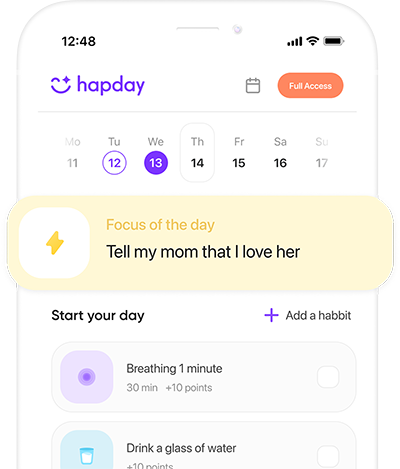
- Leverage AI tools: If you’re a fan of structured guidance, AI life coaching, like that from Hapday, can illuminate the path with programs to boost mental wellness.
The Future of Stress Management Through Movement
In this age of digital innovation, personal health apps and AI tools redefine wellness approaches. Platforms like Hapday, offering round-the-clock AI consultation and mood checks, bridge traditional movement techniques with cutting-edge availability.
When movement seamlessly joins our routines, its transformation power shines. Stress finds itself not just diminished, but courage and clarity forged in its absence.
Key Takeaways
- Movement techniques such as yoga, dancing, and Tai Chi can significantly reduce stress levels.
- Regular physical activity not only uplifts mood but aids mental focus and emotional regulation.
- Incorporating movement into daily routines fosters resilience and provides a healthy outlet for stress management.
The Bottom Line
Feeling overwhelmed? Take that as your cue to reclaim peace through movement. Whether it’s yoga, dance, or a nature walk, these activities aren’t just stress-busters—they welcome calm. And coupling them with mental health support tools like Hapday’s AI life coaching positions you for a comprehensive stress navigation strategy.
Hapday (hapday.app) extends evidence-based coaching and habit guidance to over 3 million worldwide. If you’re ready to start turning stress into empowerment through movement, it might just be time to explore their offerings.