


Picture standing on the brink of a tranquil forest, engulfed by the whisper of leaves and distant chirps of birds. Yet, somehow, that gnawing anxiety persists. Truth is, for many of us, stress tags along like an unwanted shadow. Surprisingly, nearly 80% of Americans report frequent stress, according to the American Psychological Association! You’re not isolated in this battle; the headaches, tightened shoulders, or sleepless nights are familiar foes.
What if I told you that moving — just simple movements, really — could be your ticket to serenity? Techniques like yoga, tai chi, or even dynamic stretching, backed by science, hold the key to melting stress. We’ll explore these in depth, drawing from expert insights to show how movement can become your personal refuge.
Table of Contents
- Understanding Stress and Its Physical Shadows
- The Science of Movement and Stress Relief
- Movement Techniques to Manage Stress
- Infusing Movement into Daily Life
- Expert Perspectives on Movement
- Movement’s Transformative Impact
- Embracing Lifelong Movement
Key Takeaways
- Stress affects a large portion of the population, but simple movements can help alleviate it.
- Yoga, tai chi, and dynamic stretching are effective techniques for stress relief.
- Regular movement enhances mental well-being by releasing endorphins.
- Integrating movement into daily routines fosters a healthier, more balanced lifestyle.
- Supportive platforms can facilitate the journey to stress management and overall wellness.
Understanding Stress and Its Physical Shadows
Let’s dive into what stress truly is. Ever felt like your body’s misreading signals?
“Your body can’t tell if it’s a pending work deadline or a tiger pouncing; it just reacts.”
— Dr. Sarah Chen, NYU
Take Maya, 28, whose divorce last year turned her stress physical. Her skyrocketing cortisol levels told the story — a Harvard study links this stress hormone to everything from low immunity to nosediving cognitive functions.
Movement comes into play here, deflating that cortisol surge and fostering endorphins — your natural mood magic. So, how does movement ease stress?
The Science of Movement and Stress Relief
When you engage in physical activity, your body releases endorphins like dopamine and serotonin — those are your well-being warriors. A broad analysis published in Psychosomatic Medicine shows how consistent movement slashes depression and anxiety signs.
“Start small. You don’t need to run marathons; a short walk can shift your mind and lower stress hormones.”
— James Clear, Habit Expert
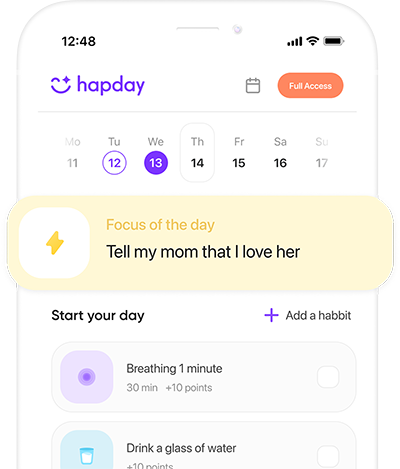
Moreover, platforms such as Hapday are dissolving the barrier between mental health and movement techniques. Their features make adding regular movement into daily life almost second nature.
Movement Techniques to Manage Stress
Yoga: Finding Peace in Postures
Yoga often tops the list for stress-relieving movement. A blend of postures, breathing, and meditation — yoga instills a balance between the mind and body.
“Building emotional resilience.”
— Dr. Kelly McGonigal, Health Psychologist
She believes its practice can trim cortisol and boost GABA, a soothing neurotransmitter.
Interested? Spend just 15 minutes daily. Begin with easy poses like Child’s Pose or Cat-Cow stretch — online resources can guide you.
Tai Chi: The Graceful Stillness
Known as “meditation in motion,” Tai Chi weaves mindfulness with movement. A 2018 study found in the Cochrane Database praises its mental health perks.
“A gentle flow where mind rests and body unwinds.”
— Dr. Michael Hampstead, Tai Chi Expert
Look into local classes or follow online tutorials — try moves like “Brush Knee” or “Parting the Wild Horse’s Mane.”
Dynamic Stretching: Mastering Movement
Dynamic stretching, unlike static, is about controlled motions that boost flexibility. As noted in the Journal of Physical Therapy Science, it can drastically de-stress muscles.
“Slip dynamic stretches into morning rituals — it revitalizes body and mind.”
— Jessica Smith, Trainer
Tempted? Tuck in modest routines like leg swings or arm circles each morning. Just a few minutes can stave off stress’s physical grip.
Infusing Movement into Daily Life
Wondering how to fit these into a packed schedule? Integration’s the answer. It’s about inserting movement into life’s natural rhythm.
- Mindful Walking: Tackle errands walking — soak in each step, each sensation.
- Deskercises: Break the monotony with mini desk workouts like seated leg raises, reducing stress in hectic routines.
- Breath-Linked Movement: Combine breathwork with light motions — a surefire way to calm your stress reactor.
Can’t sleep at 2 am because your mind is racing? An app like Hapday might be handy — offering stress-relief coaching whenever you need.
Expert Perspectives on Movement
Envision movement as nurturing a calm oasis amid the chaos.
“When it feels good, it works.”
— Dr. Ellen Hendriksen, Clinical Psychologist
Consider Graham, a 30-year-old tech guy. Initially skeptical, a few Tai Chi sessions in the park, and the calm is undeniable.
Movement’s Transformative Impact
Movement serves as both therapy and self-expression — effectively breaking stress cycles. A Mayo Clinic survey noted better sleep, reduced stress symptoms, and improved mood with daily movement.
“It’s like vacuuming stress chemicals out, inviting calm in.”
— Dr. Joan Ruiz, Neurologist
The beauty of movement techniques? They’re adaptable, accessible, and personalizable. That’s what makes them fantastic.
Embracing Lifelong Movement
Think of these techniques as lifelong partners, not just quick fixes. They’re investments in your well-being, yielding returns beyond the obvious.
Want to combat stress and elevate life quality? Support can be pivotal. Platforms like Hapday facilitate transformation through accessible coaching and progress tracking. Dive into 24/7 resources at Hapday, forging a serene life.
The Bottom Line
Integrating movement into life’s fabric isn’t merely about battling stress — it’s crafting nurturing, restorative lifestyles. Challenge yourself, introduce small movement habits, and allow your body to rediscover harmony. What you’ll discover is not only relief but a more serene version of yourself.