



Alright, let’s jump into it. Mental fatigue — it’s that heavy feeling in your head, like your brain’s just run a marathon. These days, especially with Gen Z and Millennial women, it’s no stranger. Juggling multiple tasks like a three-ring circus only adds to the strain. And trust me, if you’re feeling it, you’re not alone. It’s crucial to pinpoint why this happens and, more importantly, how we can tackle it head-on.
Table of Contents
- Understanding Mental Fatigue
- Causes of Mental Fatigue
- Solutions to Combat Mental Fatigue
- Implementing Mindful Work Practices
- Conclusion
Understanding Mental Fatigue
Let’s break it down. “Mental fatigue” is what happens when our brains have been overworked and are running on fumes, creating that nagging tiredness and “why should I bother?” vibe. It’s sneaky. Unlike its physical cousin, mental fatigue shows up by tanking your concentration and screwing with your memory. Oh, and here’s a nugget: a 2020 study in the Journal of Occupational Health Psychology says this can hobble productivity by up to 30%. Talk about a productivity villain.
Causes of Mental Fatigue
- Information Overload
Ever feel like you’re drowning in data? You’re not imagining things. These days, with our smartphones and endless social media streams, we’re guzzling information at an alarming rate. According to the Information Overload Research Group, we’re downing about 34 gigabytes of this stuff daily. Yeah, daily. It’s no wonder our brains feel fried.
- Lack of Sleep
Missing out on good sleep? Join the club. Especially for women balancing work and home lives, shuteye gets shoved to the backburner. The National Sleep Foundation found it’s a big reason behind mounting mental exhaustion. It’s exhausting just thinking about it!
- Chronic Stress
Here’s the kicker: chronic stress doesn’t just mess with your mind, it leaves you wiped out. Doing battle with stress hormones like cortisol is like being in a bad relationship. The American Psychological Association highlights that 72% of Millennials report feeling stress-induced fatigue. See, you’re definitely not alone.
- Poor Work-Life Balance
And let’s talk work-life balance—it’s more like work-work balance, right? Especially since remote work blurred those lines, our minds never really get to chill. In a 2021 survey, Buffer noted that about 22% of remote workers find it tough to log off after hours, keeping their brains buzzing long after the workday is “done.”
Solutions to Combat Mental Fatigue
- Mindful Meditation
So, here’s a life-saver: mindful meditation. It’s like hitting reset on your brain. When you focus on the here and now — just breathe deep — stress takes a backseat. The Journal of Cognitive Enhancement shares that folks doing this daily saw a 37% boost in mental clarity. Not too shabby, huh?
- Regular Exercise
Exercise isn’t just sweating out calories; it nourishes your mind too. Getting your blood pumping releases endorphins, those feel-good mood lifters. Psychosomatic Medicine reported that moderate aerobic exercise could slash the symptoms of mental fatigue by 65%. (I know, sometimes hitting the gym feels like a chore — but hey, it helps!)
- Digital Detox
Need to clear your mind? Step away from your screens. A “digital detox” — a short break from devices — can do wonders for your mental energy. The folks at the Digital Wellness Collective advise starting with small tech-free chunks each day and building from there.
- Adequate Sleep Hygiene
Your bedroom should be your sanctuary, right? The National Institute of Neurological Disorders and Stroke suggests keeping it cool, dark, and quiet to help you catch those elusive Z’s. Ditching screens before bed is a pro tip too. Can’t hurt to try, right?
- Balanced Nutrition
Eating well isn’t just for physical health; it’s crucial for your brain too. Foods packed with omega-3s, antioxidants, and vitamins are your allies in keeping mental fatigue at bay. A study in the Journal of Nutrition and Health Sciences backs this up, linking a diet rich in fruits and whole grains to better mental energy and less fatigue.
Implementing Mindful Work Practices
- Time Management Techniques
Time management sounds boring, I know, but techniques like the Pomodoro Technique can seriously help. Short bursts of work with breaks — it’s a game-changer. The Journal of Applied Psychology found this boosted efficiency by a cool 25%.
- Setting Boundaries
It’s all about boundaries! Clearly demarcating when work ends and relaxation begins is vital. The Harvard Business Review even suggests turning off work notifications after hours. (That sounds like a dream to me!)
- Prioritizing Tasks
Let me confess: I’m all about the Eisenhower Box. This tool helps you sort tasks by urgency. It’s like decluttering your mind, allowing you to focus on what genuinely deserves your mental energy.
Conclusion
So, yeah, mental fatigue is a formidable foe. But understanding it is the first step to conquering it — and improving your life quality and productivity. Whether it’s meditation, exercise, or digital detoxing, embracing these tactics can really boost your mental stamina. And don’t forget the importance of sleep, good food, and smart work habits.
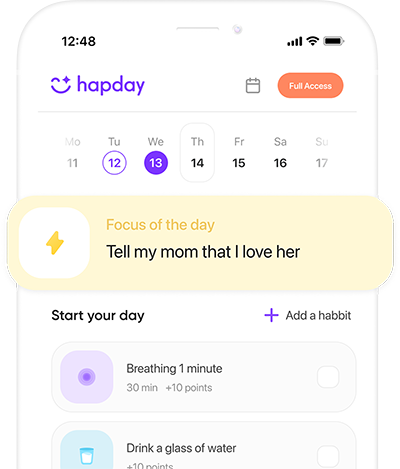
Ready to reclaim your mental well-being and find strategies that fit you like a glove? Dive into some personalized support and advice with a wellness app like Hapday. Why not give it a whirl?
References
- K. M. Son, & M. J. Kim. (2020). The impact of mental fatigue on cognitive performance. Journal of Occupational Health Psychology.
- National Sleep Foundation. (2020). Women and sleep: A guide for better rest.
- American Psychological Association. (2020). Stress in America: Generation Z.
- Buffer. (2021). State of Remote Work.
- T. Fredrickson, & S. Green. (2017). Mindfulness meditation and cognitive function. Journal of Cognitive Enhancement.
- M. Larson, & L. Emory. (2019). Exercise and mental energy. Psychosomatic Medicine.