



Table of Contents
- Understanding Mental Fatigue
- Symptoms of Mental Fatigue
- Causes of Mental Fatigue
- Recovery Strategies for Mental Fatigue
- Prioritize Sleep
- Mindfulness and Meditation
- Digital Detox
- Balanced Nutrition
- Exercise Regularly
- Time Management
- Conclusion
Understanding Mental Fatigue
So, what even is this thing called mental fatigue? It’s like that end-of-the-day brain fog but on steroids. We’re talking about a deep kind of mental tiredness that messes with how your brain works. You might find it hard to pay attention, think straight, or keep your cool. It’s not like when your body feels dragged down—this is all upstairs. Think of it as the early stages of burnout, only it’s sneakily popping in and out. Manageable, if you catch it in time.
Symptoms of Mental Fatigue
Some red flags to watch out for include:
- Attention troubles: Tasks feel like puzzles.
- Memory hiccups: Names, places—what was I saying?
- Mood rollercoaster: Snap one minute, laugh the next.
- Wonky sleep: Catching Z’s? More like missing them.
- Motivation..?: Meh, who needs it anyway?
Causes of Mental Fatigue
Now, what’s triggering all this brain drama? Usually, it’s a mash-up of daily stressors weaving a not-so-fun web of chaos.
Overloaded Schedules
I mean, honestly, who’s not feeling this? According to the American Psychological Association, a whopping 70% of millennials say they’re drowning in their schedules. All that multitasking, the incessant need to be great at everything—it’s like signing up for chronic mental fatigue.
Digital Overload
Oh, screens—our dear frenemies. Gen Z, in particular, can’t seem to part ways with their devices. Common Sense Media dished out a report stating teens are glued to their screens for 7.5 hours daily, and that’s not even counting school. Brain fog, anyone?
Lack of Sleep
The good old National Sleep Foundation lays it out: adults should be getting 7-9 hours of sleep. But, let’s be real, who’s actually hitting those numbers? Continuous cognitive drain is a no-brainer consequence, pun intended.
Poor Nutrition
Eat junk, feel junky—it’s that simple. The journal Nutrients says diets full of refined junk lead to messed-up moods and brain drain. Time to swap those chips for nuts, maybe?
Recovery Strategies for Mental Fatigue
Here’s the good news: you can fight back against mental fatigue with some nifty strategies.
Prioritize Sleep
Getting those Z’s back on track works wonders. Stick to a sleep schedule, spruce up your room, and pull the plug on late-night scrolling. Walker et al. noted in Sleep Medicine Reviews that better sleep means sharper minds and tougher emotions. Who would’ve thought?
Mindfulness and Meditation
Mindfulness practice—closing those tabs in your brain, if you will—works like a charm. Research from Psychological Science emphasized mindfulness can zap mental fatigue by boosting focus and dialing down overthinking.
Digital Detox
Time to unplug! Regularly disconnecting from digital devices can ease mental strain. According to the Journal of Behavioral Addictions, less screen time translates to better mental health. Simple, yet so effective.
Balanced Nutrition
Chow down on nutrients like omega-3s, vitamins, and the good stuff. As per the British Journal of Nutrition, foods like leafy greens and fatty fish are your brain’s best friends—keep ‘em close.
Exercise Regularly
Get moving! Physical workouts are a two-for-one for both your body and mind. Findings in the Journal of Clinical Psychiatry highlighted that exercise lowers fatigue and cranks up brain sharpness. Sign me up.
Time Management
Last but not least, tweak the way you manage time. Tactics like the Pomodoro Technique—work, then break, rinse, repeat—can fend off burnout. Mastering this dance could just be your secret weapon.
Conclusion
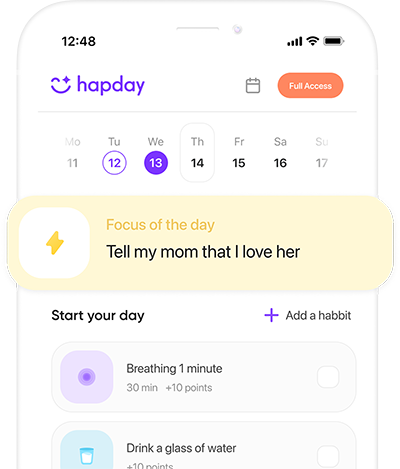
Mental fatigue might be more common than we’d like—but there’s hope. By understanding its roots and weaving in some recovery strategies, you can clear that mental haze. Little by little, these steps might just lift your mood and mind. Curious where to start? Check out Hapday for personalized help—worth a shot, right?
Take tiny strides now, and you just might find yourself in a whole new mental space tomorrow. After all, who doesn’t crave a little more peace of mind?