



Okay, let’s chat about something that’s close to my heart—ADHD motivation. If you’ve ever found yourself staring blankly at a wall of tasks, paralyzed by the thought of doing any of them, you’re not alone. Especially when you’ve got ADHD. It’s not just about struggling to focus. It’s about the infamous motivation that seems to slip through your fingers just when you need it most, turning everyday tasks into formidable mountains. Trust me, getting a grip on these motivation peaks and valleys can make a world of difference.
Table of Contents
Getting a Grip on ADHD Motivation
ADHD, for those unfamiliar, is this tricky beast lurking in the lives of about 4.4% of adults in the U.S. These aren’t some trivial numbers tossed around in a study published somewhere like Harvard (they’ve probably worked on this, too!)—real people grapple with these challenges. The quintessential issue? It’s tackling motivation, and let’s be real here, it’s a brain game. This isn’t mere laziness or a lack of resolve; it’s tied to the magical chemistry of our brains—our executive function throwing a technical glitch. And dopamine… oh, dopamine. We all seek that little chemical hug, but people with ADHD might find it especially elusive.
Folks with ADHD tend to have lower dopamine levels, that neurotransmitter we rely on for a sense of reward. This can lead them into a cycle of seeking immediate gratification, which makes focusing on the mundane—or heaven forbid boring—tasks a battle.
Effective Focus Techniques for ADHD
1. Break Tasks into Smaller Steps
Let’s tear down those daunting tasks into bite-sized pieces—it’s akin to chopping a huge pizza into slices. Suddenly, everything feels way more manageable, right? It’s the same with tasks. Swallowing small successes releases that esteemed dopamine, encouraging more effort. A study from the Journal of Attention Disorders gives a thumbs up to this strategy, noting that smaller steps actually ramp up focus and completion rates. Who knew your to-do list could be so accommodating?
2. Timers and the Pomodoro Quick-Fire Challenge
Ever heard of the Pomodoro Technique? Picture this—working intensely for 25 minutes, then giving yourself a 5-minute breather. This cycle, when you stick to it (and I mean really stick to it), can do wonders for keeping that elusive focus intact. According to what’s noted in the Cognitive and Behavioral Practice Journal, it’s like a secret weapon against procrastination, especially for those with ADHD.
3. Dangling the Reward Carrot
Let’s talk about incentives. I don’t mean lavish trips or anything—I’m talking small joys. Think along the lines of a nice chocolate chip cookie or a short stroll around the block. These little rewards can be powerful motivators. Believe it or not, knowing there’s a treat waiting can kick-start motivation levels like nothing else.
4. Build a Routine, Find Peace
Routines can seem mundane, but for folks with ADHD, predictability equals peace. Creating daily routines can help in cutting down that overwhelming uncertainty about task completion. The Journal of Clinical Child & Adolescent Psychology backs this up; structured routines can really make task performance jump, while pushing down those pesky ADHD symptoms to a manageable level.
5. Change Your Stage, Change Your Focus
If your workspace looks like a chaotic whirlwind, it might be time for some zen-inspired decluttering. A neat space can help anchor the mind. I personally find background music—nothing too wild—helps keep distractions at bay. Applied Cognitive Psychology even suggests that tweaking our environments can have a notable impact on productivity and focus for those battling ADHD.
6. Mindfulness and Meditation—Yes, Really
Pause. Breathe deeply. Mindfulness and meditation may sound like tiny whispering gurus, but they do pack a punch in boosting attention spans and easing impulsiveness. Adults with ADHD have turned to mindfulness with positive outcomes, as recorded in the Journal of Attention Disorders. You might want to give it a shot; it could be the tranquil grounding you’ve been searching for.
7. Shake It Out with Physical Activity
When in doubt, move. Physical activity is a natural mood elevator, upping those good neurotransmitters like dopamine. Let’s face it, who hasn’t felt a bit more alive after a quick jog? Highlighted in the Journal of Pediatrics, exercise doesn’t just boost mood, it can actually sharpen attention and cognitive function. Wrap it into your daily routine—you won’t regret it.
Wrapping Up
Tackling ADHD motivation—yeah, it’s not a cakewalk, but understanding the cerebral quirks and employing effective strategies is key. Whether it’s breaking down tasks, capitalizing on management techniques, ensuring a lush reward system, nurturing a reliable routine, or diving into mindfulness, these small changes can make a big difference.
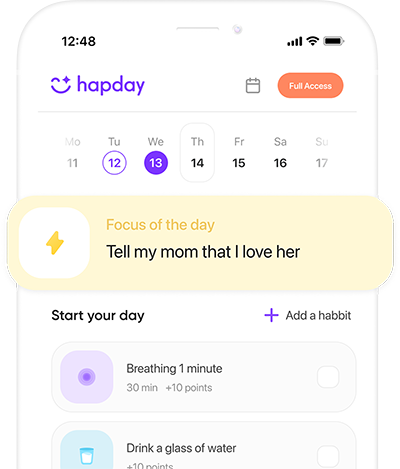
Interested in more personal strategies? There’s a neat tool called Hapday out there, offering ways to personalize your journey to combat ADHD challenges. Why not give it a whirl? You might just find the solution that fits you like a glove.
And with that, take the first step in steering your ADHD motivation journey today. With the right approach, that mountain might just turn back into a hill.