



Table of Contents
- Getting a Grip on Mental Health Trackers
- How on Earth Do These Things Work?
- Why Bother? Here’s Why:
- Beyond the Basics: Types of Trackers Out There
- Picking Your Tracker: It’s Not a One-Size-Fits-All
- The Flip Side: Limits and Caveats
- Wrapping Up
Alright, here we go—if there’s one thing the 21st century isn’t short of, it’s attention on mental health, finally. You can almost feel the shift, can’t you? Mental health trackers are sneaking onto the scene as new gadgets—like little mental detectives—helping us understand the intricacies of our own minds. But, honestly, what are these things, and how can they make our lives better?
Getting a Grip on Mental Health Trackers
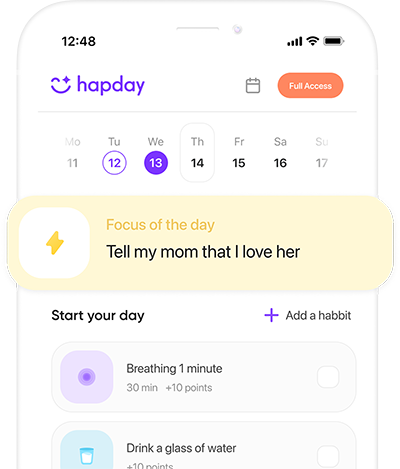
Now, let’s dive in. A mental health tracker—think app or even some nifty gadget on your wrist—lets you keep tabs on your mood, your emotional ups and downs, and your overall mental health, really. They track all sorts of numbers and then spit out patterns, maybe even warnings. It’s like having a mental health coach that badgers you (lovingly!)…remember that 2021 study in the Journal of Medical Internet Research? They mentioned how close to 70% of folks using these apps felt a boost in dealing with stress and anxiety. That’s not peanuts, folks.
How on Earth Do These Things Work?
You pop open your mental health tracker and jot down your daily feels, what-you-did’s, and random musings. Some of the fancier ones are practically engineers—they’ll monitor your heart rate, sleep habits, and even analyze what you’re saying. All of this info is then crunched to give back insights. So, if the data’s telling you you’re stuck in a funk, it might nudge you to seek out a therapist or world-class pizza—anything to help. The American Journal of Psychiatry hinted that these digital wonders might actually ease depression and anxiety, especially for the younger crowd. Who knew pixels could be so beneficial?
Why Bother? Here’s Why:
- Self-Awareness: Get to know yourself—and no, it’s not as cheesy as it sounds.
- Seeing Red Flags Early: Catch those pesky patterns before they snowball—and haunt you.
- Data-Driven Doctor Visits: Have something solid to show those professionals, no more hand-waving in the dark!
- Setting Goals—and Actually Reaching Them: It’s not all talk; watch yourself improve, slow and steady.
- Better Coping Tricks: Or, as we’d like to call them; sanity-savers—these apps are packed with advice and exercises.
Beyond the Basics: Types of Trackers Out There
There’s a buffet of mental health trackers, each one offering its own tailored experience:
- Mood Trackers: Monitor your feels—daily moody updates and all that jazz.
- Symptom Trackers: Spot on for the folks dealing with depression, anxiety, etc.—keeping tabs on symptoms is key.
- Activity Trackers: Keep an eye on sleep, social life, and physical happenings—because they all count, too.
- Biometric Trackers: Advanced stuff that gauges your body’s signals, like your heart’s rhythm.
Did you know a study in PLOS ONE found that using these tracking apps knocked down depressive symptoms? Well, now you do.
Picking Your Tracker: It’s Not a One-Size-Fits-All
When it’s time to pick your sidekick, be picky:
- Easy Peasy: If it’s a hassle, forget it.
- Privacy, Please: Make sure your data doesn’t end up where it shouldn’t.
- Do-It-All Features: Aka mood logging, meditation, journaling—you name it.
- Trust the Science: Stick with what’s backed up by research, for peace of mind.
A 2022 survey in Behavioral Sciences pointed out that people like customizable features—because we’re all unique snowflakes—right?
The Flip Side: Limits and Caveats
Now, a word of caution: While these gizmos offer quite the boost, they’re not a substitute for a real-life doc. So don’t go second-guessing the pros based on app data alone. And hey, don’t let the app dictate your life, or it’ll drive you nuts—pun intended.
Wrapping Up
Mental health trackers—quite the modern marvel. These little troopers can make a big difference by giving us a peek into our mental health narrative. Tons of choices out there, so find what vibes with your specific needs—because it should make life better, not more hectic. As you meander through your journey to stronger mental wellness, think about welcoming a mental health tracker into your daily routine. That tiny, daily check-in might just lead to big, life-changing results over time.
Oh, and before I forget—ready to up your mental wellness game? Dive into personalized mental health tracking solutions at Hapday and kick-start your journey today!
References
- Firth, J., Torous, J., Nicholas, J., Carney, R., Pratap, A., Rosenbaum, S., … & Sarris, J. (2017). The efficacy of smartphone-based apps for depression: A meta-analysis of randomized controlled trials. Journal of Medical Internet Research, 19(5), e156.
- Bakker, D., Kazantzis, N., Rickwood, D., & Rickard, N. (2016). Mental health smartphone apps: Review and evidence-based recommendations for future developments. JMIR Mental Health, 3(1), e7.
- Mohr, D. C., Weingardt, K. R., Reddy, M., & Schueller, S. M. (2017). Three problems with current digital mental health research and three things we can do about them. Psychiatric Services, 68(5), 427-429.