



Table of Contents
Understanding Mental Health Trackers
Here’s the thing—mental health trackers come in a variety of forms. You’ve got your digital stuff—apps, wearable devices. And then there are the more analog options, like journals. Their primary goal? Recording mental health data over days, weeks, or maybe even months, which can shed light on emotional patterns and those pesky triggers. When you jot down your feelings regularly, these trackers can highlight trends that might have slipped past unnoticed otherwise.
The Science Behind Mental Health Tracking
The real kicker? It’s not just some feel-good nonsense. There’s actual research backing this stuff up! I mean, take a gander at a study from the Journal of Medical Internet Research—it pointed out that people using mood tracking apps saw improvements in self-awareness and emotional regulation. Isn’t that something? Another study I came across in BMC Psychiatry went as far as saying that mood tracking could boost therapy outcomes. By giving therapists a clearer picture of their patients’ emotional states, therapy could become more effective over time. A win-win, right?
Benefits of Using a Mental Health Tracker
Enhanced Self-Awareness
Now, one of the standout perks of using a mental health tracker is, without a doubt, increased self-awareness. When you keep tabs on your emotions day in and day out, you start becoming more alert to your mental state. It’s like, you’re suddenly tuned into what factors make your mood swing. And if you ask me, understanding these shifts is a crucial step on the road to better mental wellbeing.
Identifying Patterns and Triggers
These trackers aren’t just there to fill the app drawer or decorate your bookshelf. They can unearth specific patterns and triggers affecting your mental state. So, maybe you figure out that work stress or skimping on sleep is wrecking your mood. Makes sense, right? Spotting these patterns means you can take proactive steps like adjusting your routine—or maybe even calling in the pros for help if that’s what’s needed.
Supporting Mental Health Goals
Setting and tracking mental health goals might just become easier thanks to these nifty trackers. Want to reduce anxiety, sleep better, or be just a tad happier? With trackers, you get a handle on your progress. Those visual doodads like charts and graphs might actually keep you pumped and moving forward.
Choosing the Right Mental Health Tracker
Digital Apps
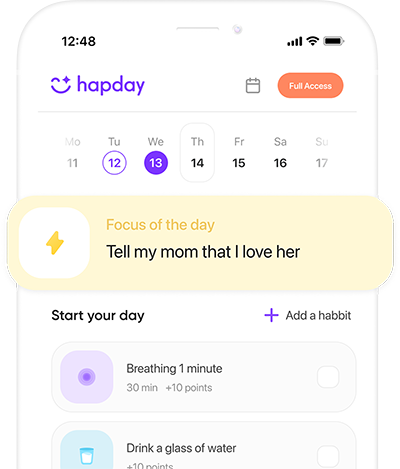
Thanks to the smartphone boom, apps for mental health have gotten quite the spotlight. Headspace, Moodfit, Happify—names ring a bell? These apps pack a punch with features like mood tracking, mindfulness activities, and therapeutic exercises. If you’re into a digital solution that’s always in your pocket, then these might just be your jam.
Physical Journals
For anyone who still gets a kick out of putting pen to paper (and guilty as charged!), physical journals can be a powerful mental health tracker. It’s not just about documenting feelings; writing them down can be cathartic. You get a tangible memory jog—seeing your mental health track record right there in front of you.
Wearable Devices
Let’s not forget these fancy wearable gadgets like smartwatches. They’re more than just chic—features like heart rate and sleep monitoring bring more data points into the fold. All of which can be valuable in decoding mental wellbeing puzzles.
Incorporating Mental Health Tracking into Your Routine
Consistency is Key
If you’re keen on making mental health trackers work for you, consistency’s your best buddy. Be it daily or even weekly, regular logging paints a clearer picture of your mental health. And hey, a Journal of Affective Disorders study backed up this idea—consistent use of mood tracking tools results in better mental health outcomes. Talk about motivation!
Combining with Professional Help
Did I mention these trackers shine best when combined with professional guidance? They’re valuable on their own, sure, but experts, like therapists and psychologists, can leverage the data to fine-tune treatment plans. Adds that extra dash of personal touch into mental healthcare.
Privacy and Security
Now, let’s chat privacy. When you pick a digital mental health tracker, always, always keep an eye on privacy and data security. Make sure that app is complying with data protection standards and has solid privacy settings to guard your personal information. It’s your mental health, after all—we should treat it like golden treasure.
Conclusion: Boosting Your Wellbeing with Mental Health Trackers
To wrap it up, mental health trackers can be a force to reckon with when wielded well. They carve out insights into emotional patterns, expose triggers, and can align with mental health aspirations, acting as trusty companions on our mental health journeys. As you set off on this path, don’t forget—consistency and professional support amplify the gifts these trackers offer.
Feel like giving your mental health the attention it deserves? Dive into a treasure trove of tools and insights to lift your wellbeing—start your adventure here.
References
- Prociow, E., et al. (2018). “A Review of Self-Tracking: From Self-Tracking to Self-Insight and Self-Improvement.” Journal of Medical Internet Research.
- Kramer, I., et al. (2014). “Time-course of improvement in depression symptoms during a randomized controlled trial comparing a wearable device to standard care.” BMC Psychiatry.
- Matthews, M., et al. (2016). “The Usefulness of Mood Tracking Tools for People with Affective Disorders: A Systematic Review.” Journal of Affective Disorders.