



In today’s whirlwind of a world—where we’re constantly plugged in, and our to-do lists seem to stretch endlessly—introducing self-love practices like meditation into our daily grind can be nothing short of revolutionary. No longer just the preserve of the spiritually inclined, meditation is now recognized as a practical way to tackle that pesky habit we all know too well: procrastination. Let’s explore how indulging in meditation can encourage self-compassion and motivation, eventually helping us beat the procrastination monster.
Table of Contents
- Understanding Procrastination
- The Role of Self-Love
- Why Meditation?
- Types of Meditation to Overcome Procrastination
- Incorporating Meditation into Your Routine
- Meditation and Neuroplasticity
- Overcoming Barriers to Meditation
- Measuring Your Progress
- Conclusion
- References
Understanding Procrastination
Procrastination—it’s that little devil on our shoulder urging us to put off tasks, even when we know better (oops, there goes another afternoon). Back in 2016, the journal Frontiers in Psychology hinted that around 20% of adults confess to being chronic procrastinators. Now, isn’t that a comforting thought? Often, it’s fear of failure, a relentless quest for perfection, or just plain lack of drive that fuels this habit. The result? Stress, anxiety, and sometimes depression, which all conspire to form a vicious cycle that can feel nearly impossible to break.
The Role of Self-Love
Ever heard “you can’t pour from an empty cup”? Self-love is the bedrock of contentment—a way of embracing ourselves, warts and all, while nurturing a healthy bond with our mind and body. And here’s the kicker: self-love can seriously ramp up our productivity. Dr. Kristin Neff, a trailblazer in the field of self-compassion, suggests that when we treat ourselves with kindness, we’re more inclined to make constructive moves towards our goals, dodging the procrastination trap in the process. Who wouldn’t want that?
Why Meditation?
Meditation isn’t just about sitting cross-legged and humming—it’s a powerful self-love practice that fosters mindfulness, sharpens emotional control, and lasers in on focus. A 2018 meta-analysis published in the Psychological Bulletin showed that mindfulness meditation can actually help reduce emotional reactivity and cogitate rumination—two sneaky culprits that feed procrastination. By engaging in meditation, we train our minds to stay present and take action now, instead of forever saying “I’ll do it later”.
Types of Meditation to Overcome Procrastination
- Mindfulness Meditation:
Picture this: focusing on the present, observing your thoughts without that pesky judgment. Mindfulness meditation helps break procrastination by cutting down on distractions and heightening awareness of your actions. A study in Behaviour Research and Therapy backs this up, showing that mindfulness ramps up concentration and cognitive flexibility so tasks actually get done. - Loving-Kindness Meditation (LKM):
LKM, or the art of sending warm, fuzzy thoughts to ourselves and others, triggers a nurturing mindset. According to the Journal of Happiness Studies, regular practice of LKM boosts self-love while turning down the volume on negative self-talk—a prominent friend of procrastination. When you’re kind to yourself, chances are you’ll be more driven to dive into tasks minus the self-criticism. - Guided Meditations for Procrastination:
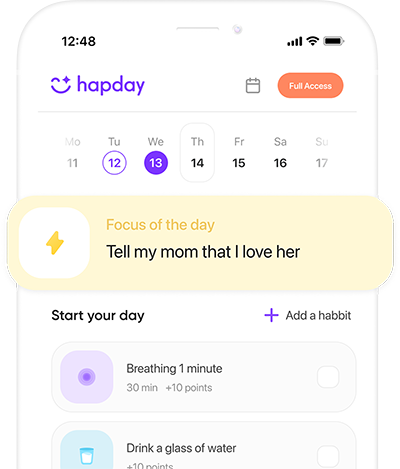
Think of these as a personal trainer for your mind. Guided meditations target procrastination by infusing motivation and laying down a clear path to mindfulness. Ever heard of Hapday? They’ve got guided sessions that focus on nurturing self-love and determination—tailor-made to kick procrastination where it hurts.
Incorporating Meditation into Your Routine
- Start Small: Dive in with just five minutes a day. As the saying goes, “slow and steady wins the race,” and before you know it, you’ll be upping the ante.
- Create a Consistent Schedule: Like brushing your teeth—routine is your best friend. Whether it’s right after breakfast or before you hit the hay, find a slot that sticks.
- Use Resources: Turn to tools like Hapday. Their guided meditations and timely reminders will keep you on your toes.
- Set Intentions: Going in with a game plan always helps. Think, “I’m approaching today’s tasks with calm and positivity.”
- Be Patient: Rome wasn’t built in a day. Meditation is an acquired skill, so take it easy on yourself and don’t forget to celebrate the little victories.
Meditation and Neuroplasticity
Meditation isn’t just a mental clarity elixir—it’s also a brain workout. Thanks to neuroplasticity, the brain’s knack for reconfiguring itself through new neural connections, meditation becomes a beacon for creating productive habits steeped in self-love, according to a 2011 study published in NeuroImage. Yes, you can really change those procrastination patterns!
Overcoming Barriers to Meditation
Sure, meditation sounds great, but let’s be real: it’s not always easy. Here’s how to tackle a few common barriers:
- Lack of Time: Breaking news—you can start with just a minute or two. Every little bit counts!
- Restlessness: Can’t sit still? Give walking meditation a whirl.
- Doubt in Effectiveness: Stick with it. The science says consistent practice brings real rewards over time.
Measuring Your Progress
Grab a journal and note those shifts in your procrastination habits. Record your meditation antics, moods, and productivity spikes. Over time, you’ll likely notice a positive drift in how you tackle tasks, driving home meditation’s power as your best procrastination-busting buddy.
Conclusion
Tackling procrastination through meditation is like giving yourself a big, comforting hug. Integrating meditation into everyday life means nurturing a kinder bond with yourself, amping up focus, and enhancing productivity. Welcome mindfulness as your wingman in the fight against procrastination, paving the way to a fulfilling and balanced life.
Ready to shake up your procrastination habits with some guided meditation magic? Dive into a world of self-love and mindfulness with Hapday.
References
- Rozental, A., et al. (2015). Procrastination: A Systematic Review. Frontiers in Psychology.
- Neff, K. D. (2003). The role of self-compassion in development: A healthier way to relate to oneself. Self and Identity.
- Chiesa, A., & Serretti, A. (2011). Mindfulness-Based Interventions for Chronic Pain: A Systematic Review of the Evidence. NeuroImage.
- Fredrickson, B. L., et al. (2008). Open hearts build lives: Positive emotions, induced through loving-kindness meditation, build consequential personal resources. Journal of Happiness Studies.