



You know, childhood trauma has this sneaky way of lurking in the shadows, casting a long, sometimes pretty disruptive, shadow over a person’s whole life. Mental health, relationships, overall well-being—you name it, it can mess with it. But here’s the good news: overcoming all of that is definitely possible. It’s a journey, kind of like climbing a mountain or maybe finishing a super long novel, but with the right tools—understanding, patience, and a handful of effective strategies—resilience is within reach. So, stick around and let’s dive into some methods from the pros to help move past those tricky bits of the past and really embrace that thriving-in-the-present vibe.
Table of Contents
- Understanding Childhood Trauma
- The Long-Term Impact of Childhood Trauma
- Building Resilience: What Does It Mean?
- Expert Strategies for Overcoming Childhood Trauma
- Therapeutic Interventions
- Mindfulness and Meditation
- Building a Support Network
- Developing Healthy Lifestyle Habits
- Journaling and Expressive Arts
- The Role of Self-Compassion
- Seeking Professional Help
- Conclusion
Understanding Childhood Trauma
Let’s break it down—so, what exactly are we talking about when we say “childhood trauma”? Well, these are those distressing scenarios that rear their ugly heads when we’re just kids, trying to figure out our own wobbly paths. They could be sudden, like a car accident or a tragic loss, or they might be more like a never-ending loop—think along the lines of prolonged experiences, like neglect or abuse. The National Child Traumatic Stress Network tells us “Hey, over two-thirds of kids…yep, you heard right…experience at least one traumatic event by age 16” (and nope, that’s not linked here—this is the internet!). So yeah, it’s kind of a big deal. But what does that mean? That we really need to have some solid coping mechanisms in our toolkit.
The Long-Term Impact of Childhood Trauma
I read somewhere—oh right, it was Nemeroff back in 2016—that childhood trauma can actually mess with brain development. You know, change the wiring up there? It ups the chances of wrestling with mental health issues later, like anxiety, depression, and even PTSD. Then there was this ACE study—have you stumbled upon that yet? Eye-opening stuff. It shows that folks scoring high on the ACE scale are often staring down chronic health issues and risky behaviors. Imagine that, huh?
Building Resilience: What Does It Mean?
So, let’s chat resilience. What is it? In a nutshell, it’s our ability to roll with the punches—adapting to adversity, trauma, or high stress like a pro. Doesn’t erase the tough stuff—it’s not a magic wand, after all—but it definitely gives you the grip you need to handle it and bounce back, maybe even stronger. Dr. Ann Masten once shared this intriguing bit: resilience is born from our totally ordinary, everyday systems. Makes you think, doesn’t it?
Expert Strategies for Overcoming Childhood Trauma
1. Therapeutic Interventions
Hands down, therapy rocks when you’re looking to navigate childhood trauma. CBT and EMDR—cue all the psychological jazz—are often hailed as game-changers. They help rewire those thought patterns so the traumatic memories don’t loom as large. Take it from Shapiro’s work in 2014—that’s been a real beacon in understanding their impact.
2. Mindfulness and Meditation
Ah, mindfulness… a much-needed breather when wrestling with trauma. There was a study—without linking here, mind you—finding that mindfulness meditation can do wonders for easing PTSD, anxiety, and depression in trauma survivors. It’s about living in the now, rather than being yanked back into what’s behind us.
3. Building a Support Network
We’ve all heard it: social ties are everything. Having that crew by your side can buffer the harsh impact of trauma. The APA actually reported that social support is a significant driver of resilience—had to note that down!
4. Developing Healthy Lifestyle Habits
There’s a huge nod toward the physical here—keeping fit and healthy impacts your mental game. Regular workouts? Balanced eats? Solid sleep? They’re all non-negotiables in this arena. The Mayo Clinic, bless them, highlights that exercise cranks up the endorphins—aka nature’s mood lifters.
5. Journaling and Expressive Arts
Got an artsy side? Pour it out! Expressing emotions through writing or art helps process trauma. Pennebaker & Smyth gave that a shout-out, underlining how expressive writing lifts the emotional weight and tones down trauma symptoms.
The Role of Self-Compassion
Self-compassion—it can be a game-changer. Dr. Kristin Neff’s research backs this up, showing how it helps to quench those flames of trauma, strengthening resilience. Redirect from criticism to kindness? It’s worth a try.
Seeking Professional Help
DIY strategies are solid, don’t get me wrong, but sometimes professional help is the ticket. Mental health pros exist for a reason—they provide tailored care paths. And, the sooner you catch those trauma signs, the better. Prevention, as they say.
Conclusion
Getting over childhood trauma isn’t about erasing those memories, but pivoting them into stepping stones for personal growth. Therapy, mindfulness, support networks—these expert strategies are like golden tickets to stepping into a resilient life.
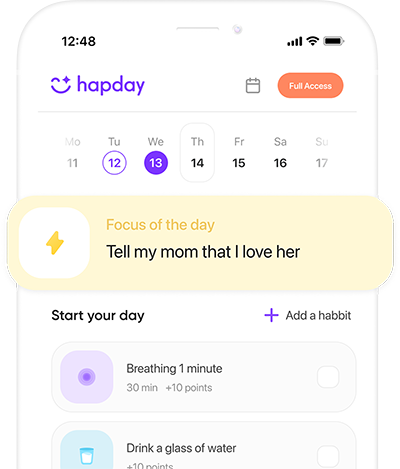
And hey, if this resonates, why not start exploring? Hapday’s got tools and support right there—check it out and start your journey here.