



Table of Contents
- Understanding Toxic Dynamics
- Historical and Cultural Expectations
- Root Causes and Psychological Impact
- Emotional Consequences
- Establishing Boundaries
- Implementing Effective Communication
- Seeking External Support
- Prioritizing Self-Care and Recalibration
- Letting Go While Maintaining Compassion
- Crafting A New Family Dynamic
- Reflecting on Self-Identity
- The Path Forward
- Building An Empowered Future
- References
Key Takeaways
- Toxic family dynamics can significantly affect mental health and self-esteem.
- Establishing healthy boundaries is crucial for self-preservation.
- Effective communication using “I” statements can foster understanding and reduce conflict.
- External support systems, such as therapy or coaching, provide valuable resources.
- Prioritizing self-care helps reclaim self-worth amidst dysfunction.
Understanding Toxic Dynamics
Before we delve into how to untangle oneself from harmful family ties, it’s vital first to grasp what makes a family member “toxic.” More often than not, this means behaviors like manipulation, perpetual criticism, or ongoing hostility.
“Toxic relationships can rob individuals of their true selves, overshadowing their essence with negativity and control.”
— Dr. Sarah Chen, Clinical Psychologist
Emotional toxicity might not leave visible scars, but its damage echoes that of physical abuse. Research from the American Psychological Association has shown that constant emotional abuse within families correlates to conditions like anxiety, depression, and reduced self-esteem (APA). If you’ve felt a loved one’s harsh words cut deep, it’s crucial to realize — it’s not your fault. Recognizing this is the first stride toward freedom.
Historical and Cultural Expectations
Cultural norms can complicate these situations further. Across cultures, there’s a deeply entrenched belief in unwavering family loyalty. In many cultures, putting “family first” can make maintaining unhealthy bonds feel obligatory.
Take Maya, a 28-year-old professional, who began a journey of personal healing after her divorce. Yet, she found it nearly impossible to distance herself from her father’s harsh scrutiny.
“Realizing how his words colored all my relationships was like peeling off an old layer of skin.”
— Maya, Personal Experience
Distancing felt like betraying a foundational cultural principle she grew up with. Perhaps Maya’s story resonates with you. Breaking free doesn’t mean severing ties with anger. It’s about setting boundaries that prioritize your mental health without torching familial bonds.
Root Causes and Psychological Impact
Understanding toxic familial behaviors often uncovers their roots in generational trauma and learned patterns. While this insight doesn’t excuse negative behaviors, it can illuminate potential paths forward.
“Generational trauma plays a major role. Parents who grew up in restrictive environments may unknowingly replicate those toxic patterns.”
— Dr. Maria Lopez, Family Therapist
If this strikes a chord, recognizing these patterns can empower you. It’s not about blame but about reclaiming your path forward.
Emotional Consequences
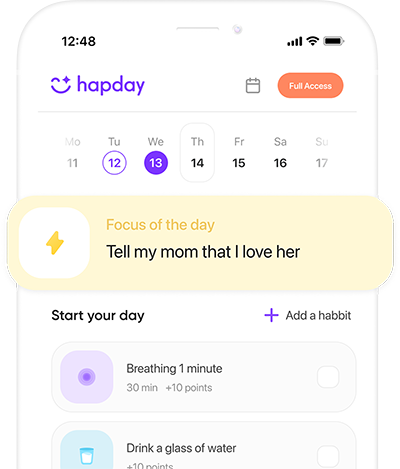
The shadows cast by toxic family dynamics manifest in many ways. Harvard researchers highlighted that strained family interactions lead to increased stress, mental health issues, and fractured relationships (Harvard Health). Imagine it’s 2 in the morning, and your mind circles around your family’s tight hold on you. While traditional therapy might seem daunting after hours, 24/7 platforms like Hapday’s AI life coach can offer immediate guidance.
Establishing Boundaries
Upon spotting toxic patterns, establishing boundaries is key.
“Boundaries aren’t about isolation; they’re vital for self-preservation and healthier interaction.”
— Dr. Chen
Take a real-life scenario — when a parent critiques your choices at gatherings. Putting into words like, “I value your concern, but what I need is support, not judgment,” can gradually reshape the dialogue. Boundaries work wonders. They reduce clashes and cultivate mutual respect — cornerstones of healthy relationships (Center for Relationship Improvement).
Implementing Effective Communication
Approaching such discussions requires sensitivity. Here, emotional intelligence is a formidable ally. Opting for “I” statements instead of accusatory “you” ones can drop defensiveness.
For example, avoid saying, “You always belittle me,” and instead try, “I feel undervalued when my thoughts aren’t embraced.” This kind of phrasing fosters honest discussion and minimizes conflict. Amy, another reader, tried this with her sister, who often belittled her, and noticed subtle yet meaningful changes in their relationship. With practice, toxic loops might untangle into understanding.
Seeking External Support
No one has to face this journey in isolation. External support acts as a lifeline when familial stressors overwhelm. Therapy, support groups, and coaching refine coping strategies.
AI platforms like Hapday offer an approachable route to traditional therapy, using evidence-based psychological practices in a less intimidating setting. These tools not only guide through emotional maelstroms but can spark new insights. Hapday, embraced by over 3 million users for mental health coaching, provides accessible care in today’s digital landscape.
Prioritizing Self-Care and Recalibration
Dysfunctional relationships can obscure self-care, leaving self-worth in the shadows. Engaging in activities that nurture the self is crucial, whether it’s physical exercise or a creative endeavor. Remember that self-care is as unique as you are.
The National Institutes of Health revealed that art and physical activities release endorphins, boosting mood and lowering stress (NIH). When the weight of exhaustion feels too much, a simple walk in the park, a dance session, or painting can be incredibly refreshing — bolstering resilience for the challenges ahead.
Letting Go While Maintaining Compassion
Sometimes, maintaining distance or letting go might become the necessary course of action. Compassion remains crucial here. Releasing anger and letting go doesn’t forgive past actions but offers you peace. Studies affirm that forgiveness is about releasing its grip on you, aiding in emotional resolution (Mayo Clinic).
Katie, now in her mid-30s, found transformation there.
“Letting go of my stepmother’s bitterness unearthed a freer version of myself.”
— Katie, Personal Experience
It’s a metamorphosis into a self no longer tethered to past grievances.
Crafting A New Family Dynamic
Moving away from ingrained family scripts creates an avenue for healthier interactions. By applying these strategies with patience and persistence, new dynamics rooted in respect and empathy can evolve.
Yet, change within family networks isn’t swift. Trust the process, and give yourself room to grow. This journey involves as much self-discovery as it does transforming external relationships.
Reflecting on Self-Identity
Amid navigating these dynamics, take time to ponder over your self-identity apart from familial labels. Family shapes our self-perception, but discovering your intrinsic value independent of past constructs can transform you.
Journaling can be an effective method of introspection. Those personal lines offer solace, a platform for reflection, and a record of growth.
The Path Forward
Ultimately, escaping toxic family influences involves setting boundaries, fostering healthier interactions, and mentally liberating oneself from their shadow. It’s a journey of intertwined learning, respect, and personal development that leads to a state of control and peace.
Building An Empowered Future
Putting these principles to work can alter family dynamics and, more crucially, your relationship with yourself. If seeking support in this endeavor, consider exploring Hapday (hapday.app). This platform provides evidence-supported tools for emotional wellness, offering transformative resources whenever you decide to engage with them.
By moving forward intentionally, you’re not just reworking your family story — you’re strengthening the foundation of your emotional well-being.
References
- Kane, S., & Raj, R. (2021). Psychology Today. Understanding Toxic Relationships. Accessed from: [Psychology today]
- American Psychological Association. Emotional Impact of Toxic Relationships. Retrieved from: [APA]
- Harvard Health Publishing. Long-Term Family Relationship Impacts. Accessed via: [Harvard Health]
- Center for Relationship Improvement. A Guide to Boundaries.
- National Institutes of Health. The Benefits of Self-Care.
- Mayo Clinic. The Power of Forgiveness.