



Navigating the ins and outs of social interactions—it can be a real head-scratcher, can’t it? Particularly so, I’ve noticed, for women hailing from Gen Z and the millennial tribes. Many wrestle with a double whammy: social anxiety and low self-esteem. That’s a cocktail of emotional turmoil that seeps into the nooks and crannies of everyday life. I know—I’ve watched friends unravel. Gaining a grip on how these two tussle with each other? Absolutely vital if you’re aiming for some mental peace and a bit more joie de vivre.
Table of Contents
- What is Social Anxiety, Anyway?
- Digging into Self-Esteem
- Where Social Anxiety and Self-Esteem Tango
- Strategies Worth Trying
- Wrapping Up
What is Social Anxiety, Anyway?
Imagine walking into a room and every pair of eyes feels like laser beams drilling into your sense of self. Sounds terrifying, right? Well, nearly 7% of us get this feeling on an annual basis (thanks, National Institute of Mental Health, for that number). Social anxiety disorder is basically the fear of being judged or badly assessed in social situations. We’ve all been there, ducking out of parties or friend meet-ups we dread. Those sweaty palms, that knot in your belly—it’s your body’s way of saying “no thanks.” Thinking about a future event makes it worse. You know, self-consciousness and sheer terror of getting embarrassed take the stage.
Digging into Self-Esteem
And then there’s self-esteem, the 24/7 commentator in your life. It’s basically how we assess our own value. Singing your own praises? Or, is it more like cringing at your every move? That inner voice is like the world’s worst critic, especially if you’re struggling—kinda like 20% of young adults reportedly do. It’s not just a buzzkill; low self-esteem can lead to psychological pitstops like depression or anxiety. Trust me; been there, done that.
Where Social Anxiety and Self-Esteem Tango
Picture a dance—or maybe a wrestling match. The Journal of Anxiety and Stress Management says if you’ve got social anxiety, chances are your self-esteem might be taking a nosedive too. It’s like the fear of people trash-talking you builds up distorted self-beliefs. And when you’re down on yourself, as if a magic trick, social anxiety grows even bigger. Once you think everyone’s sizing you up, the worry loops back into shaky self-esteem.
How Social Anxiety Pokes at Self-Esteem
Ever notice how social anxiety tears into self-esteem full force? When your mind raids every interaction for potential threats to your self-worth, it stings. You’re left with this icky feeling of being unworthy. So, after a night of socializing, you might stew over stuff that—in all likelihood—no one noticed. I’m guilty of it! It swirls in your mind, cementing that “I’m not good enough” vibe.
The Part Low Self-Esteem Plays in Social Anxiety
Funny thing about low self-esteem—it has a knack for amplifying fears of inadequacy. When your self-esteem meter is on the fritz, you’re more likely to cling to others’ opinions. A drop of criticism? Feels like a tidal wave. You might retreat further, avoiding the very situations that could actually boost your confidence. Such a tricky cycle, isn’t it?
Strategies Worth Trying
- Cognitive Behavioral Therapy (CBT): Think about it—changing those spiraling thoughts could be freeing. The Journal of Clinical Psychology points out that CBT can effectively tackle both social anxiety and self-esteem hurdles. Seems promising, right?
- Mindful Moments and Meditation: Mindfulness takes the gold for awareness and acceptance. According to Mindfulness—the journal, not the state of mind—meditation has a record of reducing social anxiety symptoms. Bonus: it ramps up self-worth too.
- Exposure Therapy: Like tossing yourself into the lion’s den (okay, not literally). But gradually facing what you dread most in social scenarios? It might just de-escalate those fears and perhaps, build that elusive confidence.
- Self-Compassion for the Win: Treating yourself with a dose of empathy could ease the anxiety chipping away at your self-esteem. Research in Self and Identity points to higher self-esteem and less social anxiety with more self-compassion. Sprinkle on some self-kindness, and notice those negative thoughts—kinda like spotting a mosquito.
- Ramp Up Social Skills: Getting better at this whole social game could fortify your self-assurance. Be it workshops or therapy, honing those skills could turn social anxiety from foe to friend, bit by bit.
Wrapping Up
Getting a grip on the social anxiety-self-esteem dynamic won’t win you an Oscar, but it could uncover paths to genuine growth and healing. Discovering how they play into one another? It could be the start of converting struggles into stepping stones for improved mental health. While the path isn’t set with rose petals, building resilience and self-worth might just lead you to a more vibrant, connected life.
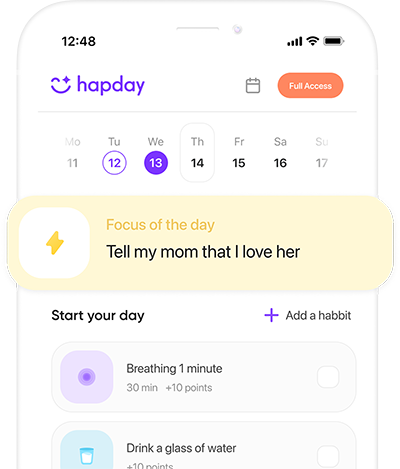
To explore a tailored approach to better mental health, why not check out Hapday? Your partner in wellness and your next best step forward.