



Table of Contents
- Understanding PTSD and Mindful Journaling
- The Science Behind Mindful Journaling for PTSD
- Techniques for Mindful Journaling
- Benefits of Mindful Journaling for PTSD
- Tips for a Successful Mindful Journaling Practice
- Conclusion
Understanding PTSD and Mindful Journaling
PTSD hits when someone goes through—or witnesses—something downright harrowing. We’re talking flashbacks, crushing anxiety, those pesky nightmares, and relentless thoughts of “the event.” According to the National Center for PTSD, about 7-8% of folks in the U.S. will deal with PTSD at some juncture; and women, well, they’re twice as likely as men to find themselves grappling with this disorder. Why? Who knows… but that’s what the data says.
Now, about mindful journaling—it marries mindfulness (keeping your attention on the now, right?) with the practice of journaling. It’s about honing in on feelings and experiences without the judging eyes. This method is all about self-awareness and keeping emotions in check, providing a much-needed avenue to process trauma and turn the volume down on those overwhelming PTSD symptoms.
The Science Behind Mindful Journaling for PTSD
Here’s a nugget from the research realm: mindful journaling works. Not making stuff up—it’s backed by studies. For instance, a study featured in JAMA Psychiatry spotlighted that expressive writing, a type of journaling, helped shave down PTSD symptoms over time. Another nugget from the Journal of Traumatic Stress pointed out that mindfulness exercises, journaling included, are powerful. They can drop PTSD symptoms and juice up emotional wellness by nurturing a non-reactive awareness of life’s whirlwinds.
Writing, it seems, is more than just scrawling down ideas. It’s a way of untangling and arranging thoughts, making traumatic memories feel a bit less like a tidal wave. Plus, mindfulness brings along a kind of grounding, lessening the anxiety and stress that often shadow PTSD triggers.
Techniques for Mindful Journaling
-
1. Setting the Intention
When dipping your toes into mindful journaling, kick off with a clear intention. What’s the aim? Perhaps gaining some introspection, venting those bottled-up emotions, or easing anxiety? Let your intentions steer your sessions and keep the focus razor-sharp on your healing journey.
-
2. Create a Safe Space
A snug, distraction-free zone is gold for journaling. Throw in some soft lighting, maybe some chill tunes. Having a notebook that’s just for this can turn it into a bit of a sacred ritual—a recurring date with yourself, if you will.
-
3. Practice Mindful Breathing
Before you dive deep into writing, take a moment. Mindful breathing; slow, steady breaths. It helps—the mind settles, anxiety slides to the sidelines—prepping you to dive right into the heart of things.
-
4. Free Writing
Let’s talk free writing. No one’s grading this, so drop the grammar obsession. Just, you know, let thoughts and emotions spill out unchecked. Voice inside your head? Tell it to shush. This is about letting emotions bubble up naturally—essential for working through trauma.
-
5. Gratitude Journals
Pop in some gratitude. What’s something, even one little thing, you’re thankful for today? Gratitude journals shift your lens from all that’s wrong to what’s right, bringing a touch of optimism. And that? It helps melt away some of the depressive symptoms tagging along with PTSD.
-
6. Reflective Prompts
Stuck on what to write? Reflective prompts have your back. Consider these:
- Paint a picture of a place where you feel utterly safe.
- Unravel how a particularly tough event is impacting today’s version of you.
- What’s a good memory you lean on? Spill some ink on its significance.
These prompts dig deeper, getting you to reframe those traumatic memories, nudging the healing process along…
Benefits of Mindful Journaling for PTSD
Emotional Regulation
Mindful journaling can be like having an emotion GPS. It nudges you towards better expression and understanding of your feelings. Plus, by identifying those lurking emotions tied to your trauma, you can start crafting healthier coping habits.
Reduced Anxiety and Stress
Regularly jotting down thoughts? It’s like popping a chill pill (a metaphorical one, anyway). The act of writing about experiences seems to shave off the edge of PTSD triggers, providing a much-needed sense of calm and control.
Improved Self-Understanding
With journaling, comes clarity. Little by little, you start seeing into your thoughts and behavior patterns more clearly. It’s the kind of self-awareness that’s critical for breaking those pesky negative thought loops PTSD tends to bring along.
Enhanced Resilience
When you journal, you’re effectively building your resilience muscle. Tapping into the power of reflection, writing about past hurdles and your strengths boosts confidence facing future challenges—because life won’t stop throwing curveballs.
Tips for a Successful Mindful Journaling Practice
- Consistency is Key: Try sticking to a routine—whether that’s a daily or weekly session. It keeps your healing journey on track.
- Be Patient: Healing? It’s no sprint, it’s a marathon. Give yourself the grace to navigate emotions at your own pace.
- Seek Support: If your journaling stirs up fierce emotions, don’t hesitate to reach out to a therapist or support group. A little bit of guidance can amplify the benefits of your practice.
Conclusion
Nurturing a mindful journaling habit can morph into a potent ally in your PTSD recovery toolkit. By weaving mindfulness with pen and paper (or keyboard taps!), you set off on a path of growth, introspection, and ultimately, healing from trauma’s tight grip.
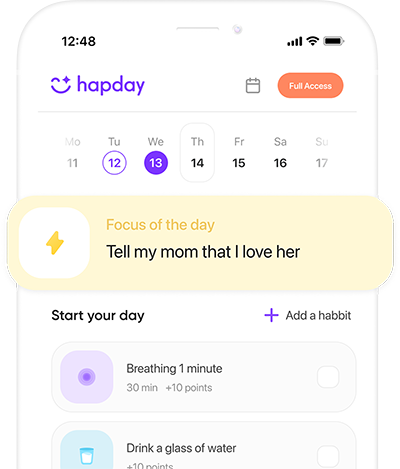
Ready to kickstart or enrich your journaling journey? Try the Hapday app and explore a whole host of curated prompts and mindfulness exercises tailored to bolster mental well-being.
In the end, mindful journaling isn’t just therapeutic; it’s empowering. By etching your feelings and thoughts onto paper, you’re authoring your own story of recovery—plotting a future where healing and hope lead the way.