



Social anxiety might just sneak up on you when you least expect it. Think about it: a lingering fear of social instances gripping countless lives worldwide. It’s not just about nerves; it’s the kind of anxiety that can really keep you up at night. Recently, mental health coaching has been making waves as a fresh way to tackle this issue—tailoring strategies that help folks handle their symptoms better. Let’s dive into all that coaching jazz and see how it helps people wrestle with social anxiety. Spoiler alert: it’s got some science backing it up.
Table of Contents
- Understanding Social Anxiety
- The Role of Mental Health Coaching
- How Mental Health Coaching Works
- Benefits of Mental Health Coaching for Social Anxiety
- Evidence of Effectiveness
- Real-Life Success Stories
- Integrating Coaching with Other Treatments
- Conclusion
Understanding Social Anxiety
To set the record straight, social anxiety disorder (SAD) is no casual case of shyness—oh no. It’s like having a persistent beast of worry gnawing at you during everyday chats or gatherings. The Anxiety and Depression Association of America’s stats are quite the eye-opener; they show that about 15 million adults in the U.S. dance with SAD. That’s big. Picture your teen years—awkward enough, right? Now imagine those jitters blown way out of proportion. According to the National Institute of Mental Health, this disorder typically kicks off in those early-to-mid teen days, affecting boys and girls alike.
The Role of Mental Health Coaching
Here’s where the plot thickens: mental health coaching is like having a personal guide through your anxiety minefield. Sure, therapy is great, don’t get me wrong, but coaching flips the script. It emphasizes personal growth, arming you with practical skills rather than sheer diagnosis.
There’s some compelling stuff from the Journal of Anxiety Disorders about this. They found that folks in structured coaching sessions showcased a whopping decrease in their anxiety levels after six months. We’re talking about exercises that hone in on cognitive-behavioral techniques and deliberate exposure to discomfort.
How Mental Health Coaching Works
- Assessment and Goal Setting: Coaches kick things off by digging into your specific challenges and tailoring goals just for you. Think of it as custom-fit anxiety armor.
- Skill Development: You’d be finessing skills like effective communication and assertiveness—things that can swing the balance in any social scenario.
- Cognitive Restructuring: It’s all about tweaking those negative thought loops—sort of like taking a bat to your brain’s bad habits.
- Exposure Therapy: Imagine exposure done right—gradual and guided. That’s the key. Research from Cognitive Therapy and Research shows just how effective this can be when done alongside coaching.
Benefits of Mental Health Coaching for Social Anxiety
- Personalized Approach: It’s like tailor-made therapy; none of that one-size-fits-all treatment nonsense.
- Skill Acquisition: You’re not just given tools—you learn to wield them, which is pretty empowering.
- Accountability and Support: Regular check-ins ensure you stay on track while having that comfort of support.
- Flexible and Accessible: Wherever you are—on a call, typing away, or face to face—coaching adapts to fit your life.
Evidence of Effectiveness
A meta-analysis from the Journal of Clinical Psychology backs this up: those diving into coaching report significantly lower social anxiety symptoms compared to the coaching-less crowd. An International Coaching Federation survey even showcases that 86% of clients left super satisfied. Now, that’s some positive feedback!
Real-Life Success Stories
Let’s talk about Anna—a bright spark of a graphic designer at 28, who was trampled by social anxiety. But guess what? Through coaching, she began to rewire her brain with cognitive restructuring and exposure therapy. The transformation? She now strides through social settings with newfound confidence, making her career and relationships flourish.
Integrating Coaching with Other Treatments
Coaching, while powerful, often pairs wonderfully with things like Cognitive Behavioral Therapy (CBT) or even medication. The right blend makes for a 360-degree support system, tailored to what one specifically needs.
Conclusion
Mental health coaching is indeed a beacon for those wanting to shatter the chains of social anxiety. Armed with personalized strategies and ceaseless support, individuals are confronting fears head-on and managing anxiety like pros. With scientific research and heartfelt success stories bolstering the case, coaching stands tall as a viable mental well-being option.
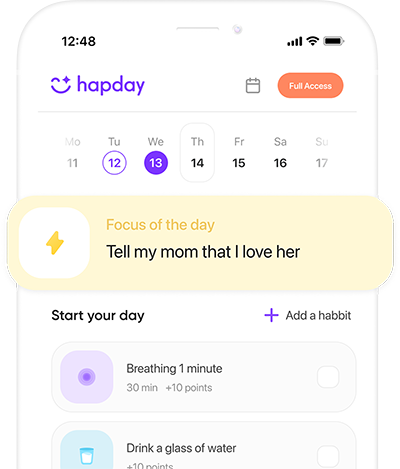
Ready to wrest control of your social jitters? Discover how mental health coaching can revolutionize your life. Dive into our app for the tailored support and expert guidance you need.
References
- National Institute of Mental Health. (n.d.). Social Anxiety Disorder: More Than Just Shyness.
- Journal of Anxiety Disorders.
- Cognitive Therapy and Research.
- Journal of Clinical Psychology.
- International Coaching Federation.