



Picture this: it’s just another Wednesday afternoon, but the inbox is absolutely bursting, your phone’s a non-stop ping machine, and oh, there’s an unexpected deadline lurking. By evening, your muscles are wound tight like a spring, and your head is still occupied with the day’s chaos. Stress? Yeah, it cozies up pretty close in modern life. But if stress is the shadow we can’t seem to shake off, movement might just be the overlooked friend waiting in the wings. Can moving your body really offer a haven of calm amidst the frenzy?
Stress has practically cemented itself in our daily lives, especially for Gen Z and Millennial women juggling careers, relationships, and personal aspirations. Back around 2021, the American Psychological Association pointed out a worrying trend—stress levels among young adults were on the rise, stoked by financial woes, societal expectations, and work pressures. Yet, there’s a silver lining. Our bodies have a built-in antidote: movement. Everything from gentle stretching to an energetic workout plays a crucial role in easing stress and regulating emotions.
Table of Contents
- The Science Behind Movement and Stress Relief
- Yoga: The Dance of Balance
- Tai Chi: The Gentle Flow
- Dance: Expressive Freedom
- Running: The Steady Beat of Relief
- Pilates: Building Inner Strength
- Making Movement Part of Your Life
- Moving Towards Peace of Mind
Key Takeaways
- Movement acts as a powerful antidote to stress, helping alleviate anxiety and depression.
- Yoga promotes breathing and mindfulness, essential for stress relief.
- Tai Chi offers mental harmony and balance through gentle movements.
- Dancing releases emotions and boosts mood while engaging in joyful expression.
- Daily small movements can significantly improve mental well-being.
The Science Behind Movement and Stress Relief
“Exercise releases endorphins,” she says, equating it to a natural dose of antidepressants handed to us on a platter.
— Dr. Sarah Chen, Clinical Psychologist
Research has linked regular physical activity to reduced symptoms of anxiety and depression. According to a piece in JAMA Psychiatry, maintaining an active lifestyle might even fend off depression, proving movement’s worth over time.
Take the example of Maya, a 28-year-old graphic designer. Relocating to a new city was a heart-thumping experience for her, but she found her zen in yoga. “It wasn’t just about stretching,” she admits, “Yoga made me tune into my body and breath, pulling me away from the tangle of worries.”
Movement Techniques to Manage Stress
1. Yoga: The Dance of Balance
Yoga is much more than poses—it’s a trip to find equilibrium, physically and mentally. Rooted in ancient practices, yoga has transcended cultural boundaries, standing its ground as a scientifically validated stress buster.
A Harvard Health study mentions yoga’s power to drop heart rates, blood pressure, and cortisol levels—all great signals of calm.
“Yoga’s emphasis on breathing and mindfulness is key to tackling stress,” Dr. Chen points out.
— Dr. Sarah Chen, Clinical Psychologist
The essence lies in staying present, and yoga has mastered this art.
2. Tai Chi: The Gentle Flow
Going by the name “meditation in motion,” Tai Chi is a beautiful fusion of soft movements and deep breaths, focusing on deliberate actions. This ancient Chinese tradition is renowned for fostering inner calm and harmonizing one’s mood.
The National Center for Complementary and Integrative Health notes Tai Chi for improving balance and enhancing mood—benefits worth noting. For newcomers, its simplicity might be deceiving, but the effects are anything but.
Dr. Matt Yeung from Yale describes the energy flow in Tai Chi as a harmonizer for body and mind; stress relief is just one of its gifts.
— Dr. Matt Yeung, Yale University
3. Dance: Expressive Freedom
Dance captivates as a free-form release—a joyful dance doesn’t demand structure, and it doesn’t judge. It liberates stress like no other, with scientific backing. The Arts in Psychotherapy Journal highlights dance’s role in reducing anxiety and lifting spirits. Endorphins soar, and through movement, bottled-up emotions find an escape, delivering emotional clarity that mere words can’t.
Apps like Hapday, mimicking a dance instructor’s cues, offer breathing exercises to guide you into your groove, channeling stress-relief benefits into your tech-savvy routine.
4. Running: The Steady Beat of Relief
For some, running is an escape—an easy, meditative remedy. It’s accessible, cardio-enriching, and feeds the mind. The constant rhythm and pace cultivate a meditative state akin to walking meditation. That runner’s high? It’s the endorphins really kicking in. A Journal of Clinical Psychiatry entry confirms running’s prowess in alleviating symptoms of depression and anxiety, almost like a trusty companion to traditional therapies.
5. Pilates: Building Inner Strength
Born from rehabilitation roots, Pilates champions core strength and flexibility with mindful breaths. With a focus on syncing breath and movement, it helps to reshape stressful thoughts into clarity and calm.
Regular Pilates not only toughens the body but also sharpens the mind’s resilience. Committing to Pilates might just unlock paths to mental peace, adapting the body to face stress head-on.
Making Movement Part of Your Life
Knowing the benefits of movement is a great start, but real-world application is another beast. You need mindfulness, commitment, and a dash of experimentation to uncover what makes your heart hum.
If the world of movement sounds intimidating, begin small. Carve out a daily five-minute stretch, dive into beginner yoga, or take calming evening walks with your favorite podcast or playlist as company.
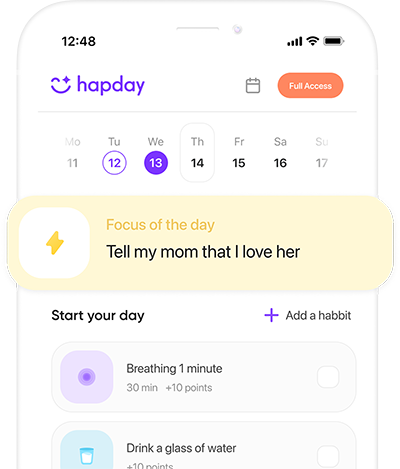
Got a knack for tech? Platforms like Hapday customize your journey, offering personalized habit trackers and mood analysis to guide you on your stress-management quest.
Moving Towards Peace of Mind
Blending mental health with movement brings tangible benefits. By integrating physical activity into your daily routine, you’re not just exercising your body but forging a safe space for the mind. As you navigate these techniques, remember, everyone’s stress map is different. It’s about finding what sparks your inner peace.
Stress might feel universal, but movement offers a universal remedy. Be it the sweat of a brisk run, yoga’s gentle flow, or the pure joy of dancing, your less-stressed journey could be just around the corner. And for that extra nudge incorporating these practices into your everyday life, Hapday provides a flexible approach, with everything from habit trackers to exercises tailored for stress relief.
The Bottom Line
Embracing movement as part of your routine not only addresses stress but also enhances overall mental health. It’s about building a personal practice that resonates with you, ensuring that the path towards peace is unique and fulfilling.